Bizbd Report
A sharp rise in non-performing loans (NPLs) has triggered a deepening crisis of confidence in Bangladesh’s banking sector, severely weakening financial stability and restricting credit flow to the private sector.
Speakers at a seminar organised by the Dhaka Chamber of Commerce & Industry (DCCI) on Saturday warned that the escalating default crisis threatens to erode investor trust and derail economic recovery efforts.
The volume of NPLs in Bangladesh’s banking sector has soared to a staggering Tk 4.2 lakh crore as of mid-2025, rising sharply from Tk 3.45 lakh crore just six months earlier and now accounting for over 24 per cent of total outstanding loans.
Speaking at the seminar titled ‘Current Challenges in the Banking Sector: Borrowers’ Perspective,’ DCCI President Taskeen Ahmed described the NPL crisis as a major threat to investor confidence and borrower capacity.
He attributed the issue to poor governance, weak recovery mechanisms, and inadequate credit risk assessment, which he said have culminated in a tight credit environment marked by elevated interest rates and stringent collateral requirements.
Taskeen urged for a coordinated policy response linking monetary tools with fiscal strategies to restore confidence and reinvigorate business activity.
He also proposed a six-month extension in the current loan classification period to allow businesses time for viable recovery without the risk of being labelled as defaulters.
Anisuzzaman Chowdhury, Special Assistant to the Chief Adviser at the Economic Relations Division of the Ministry of Finance, stressed the need for coordinated reform in monetary and fiscal policy to ensure macroeconomic stability.
He noted that protecting the formal sector is critical for the growth of the broader economy and suggested that well-performing banks could consider lowering interest rates to support SME borrowers.
Ashraf Ahmed, former DCCI President, delivered the keynote paper, outlining how the economy is grappling with the devaluation of the taka, rising exchange rates, import restrictions, and energy shortages.
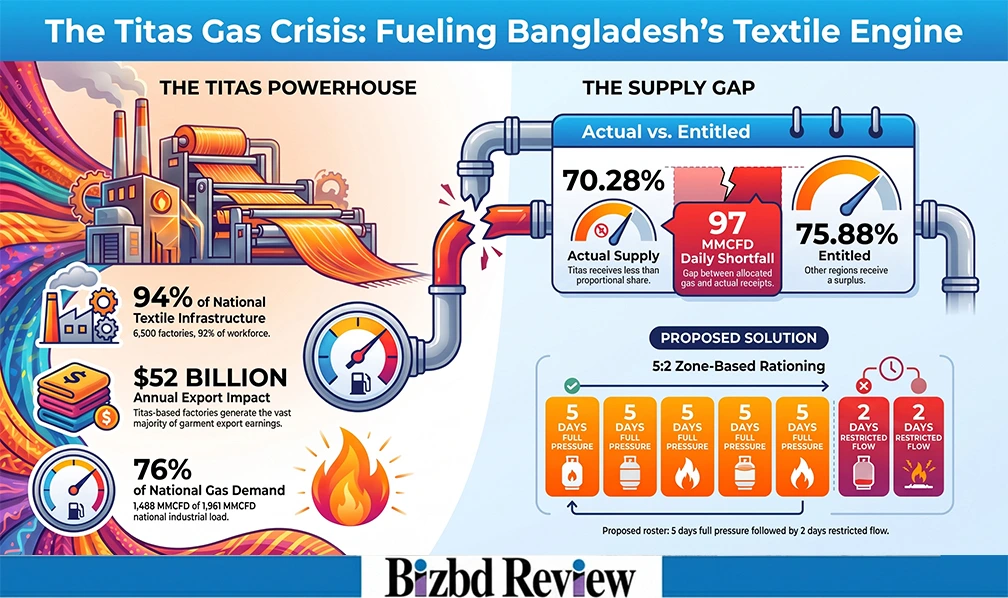
He warned that gas supply constraints alone could reduce industrial output by up to 50 per cent, while the increase in interest rates—from 9 per cent to around 14 per cent in 2025—would impose an additional Tk 1.39 trillion burden on the private sector.
He also highlighted that 14 underperforming banks account for nearly 40 per cent of defaulted loans, while the remaining 47 banks maintain a relatively healthy default rate of 5–7 per cent.
Structural reforms in banking governance and capital market development were cited as key to restoring long-term financial health.
Md Ezazul Islam, Executive Director of Bangladesh Bank’s Monetary Policy Department, said that mismanagement and undue influence over some banks had caused sector-wide instability.
However, following recent political transitions and reforms—such as stabilising the foreign exchange reserves and introducing market-based exchange rates—entrepreneurial confidence is beginning to return.
He admitted that fixing interest rates in the past was a policy misstep and that rates should be market-determined going forward.
Hossain Khaled of Anwar Group warned that continued credit tightness and high production costs would dampen job creation and growth.
Abdul Hai Sarker, Chairman of the Bangladesh Association of Banks, called for stronger coordination between policymakers and implementing agencies to improve loan recovery and attract investment.
Fazle Shamim Ehsan of BKMEA criticised the lack of incentives for good borrowers and banks’ reluctance to extend credit due to high NPL levels and adverse relationships with regulators.
Mati Ul Hasan, Managing Director of Mercantile Bank PLC, suggested forming asset management companies under public-private partnership (PPP) models to recover bad loans.
He also highlighted how gas supply shortages were disrupting industrial output and threatening the viability of many businesses.
Sohana Rouf Chowdhury, Managing Director of Rangs Motors, underscored the severe challenges facing manufacturers due to high interest rates and financial sector instability.
She advocated for extending loan repayment periods and introducing low-cost funds for domestic investors in emerging sectors like electric vehicle manufacturing.
The seminar concluded with remarks from DCCI Senior Vice President Razeev H Chowdhury and Vice President Md Salem Sulaiman, who reiterated the urgency of comprehensive financial reforms to safeguard the future of Bangladesh’s private sector.