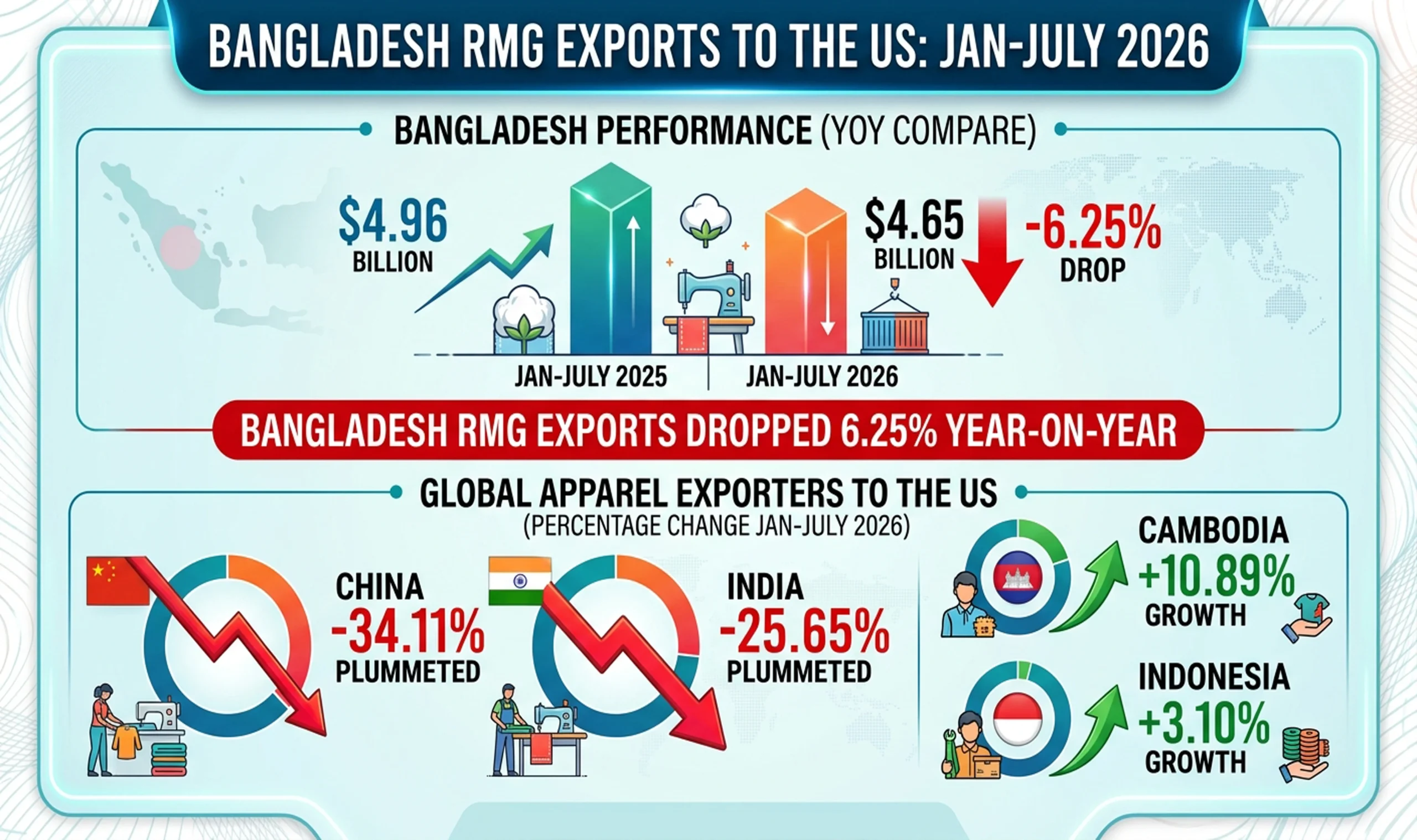
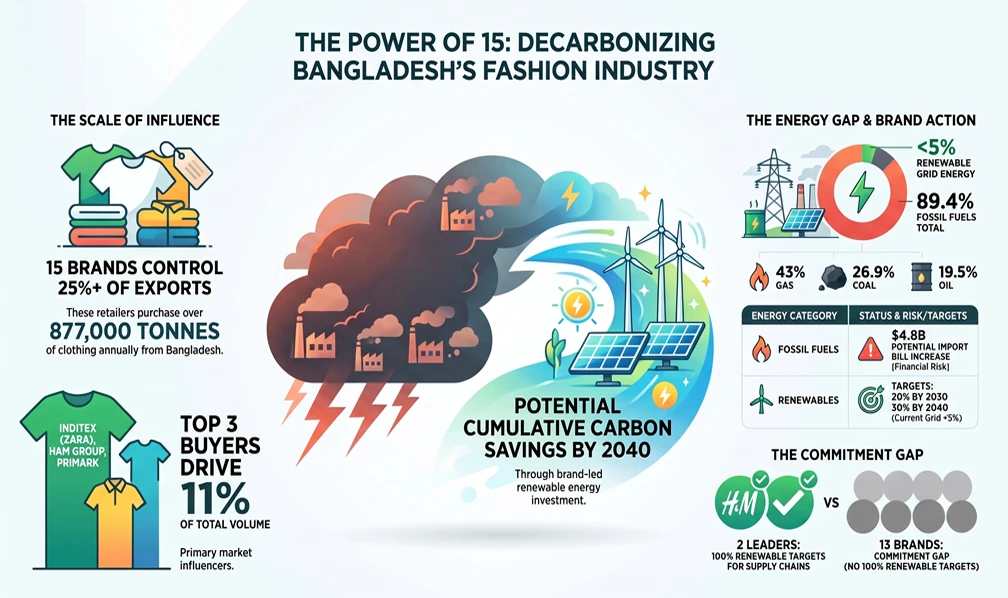
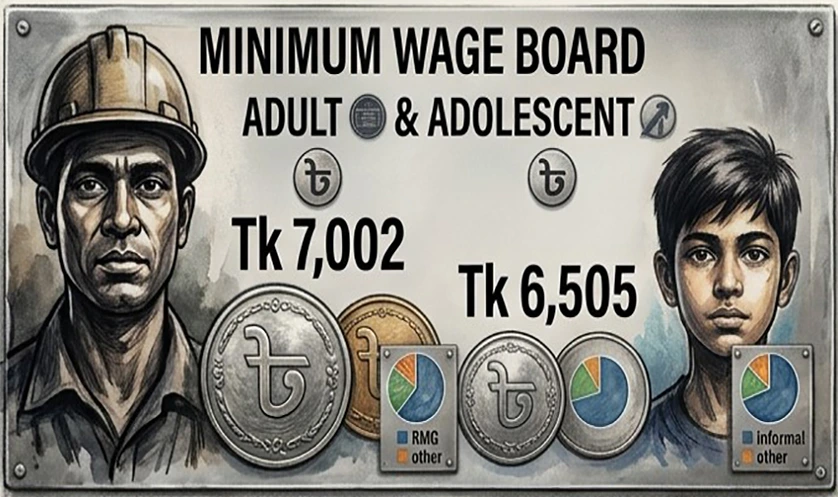
Bangladesh’s readymade garment industry has expanded production capacity gradually in line with global demand and evolving sourcing strategies, while its relatively small global market share limits its ability to influence prices or create distortions, the Bangladesh Garment Manufacturers and Exporters Association (BGMEA) has said.
The remarks were made in a position paper submitted last week to the government in response to an investigation by the Office of the United States Trade Representative (USTR).
The position paper, sent last week to the government in response to the USTR inquiry, comes after Washington on March 12 launched investigations into 60 economies under Section 301(b) of the Trade Act of 1974.
The probe is examining whether policies or practices linked to a failure to prevent imports made with forced labour are unreasonable or discriminatory and place a burden on US commerce.
Countries under review include Bangladesh alongside major US trading partners such as the United Kingdom, United Arab Emirates, Pakistan, Sri Lanka, Saudi Arabia, Cambodia, Indonesia, Malaysia, the Philippines, Singapore, Thailand and Vietnam.
The BRICS economies—Brazil, Russia, India, China and South Africa—are also part of the investigation.
In its submission, the BGMEA argued that Bangladesh’s garment exports have grown steadily without abrupt, policy-driven surges that could signal overcapacity.
Citing data from the Export Promotion Bureau, it said exports rose to $39.3 billion in the financial year 2024–25 from $25.5 billion a decade earlier.
‘The expansion of production capacity has remained closely aligned with global demand trends and buyer sourcing strategies,’ the document stated, noting that Bangladesh’s global market share stands at around 6.5 to 7 per cent.
The association maintained that the country’s export profile reflects structural constraints in diversification rather than excess capacity. Concentration in the RMG sector should be viewed as part of a development pathway, it said, not evidence of market distortion.
Bangladesh’s exports are largely concentrated in labour-intensive, low- to mid-priced apparel items–segments not produced domestically in the United States, which focuses on advanced manufacturing and heavy industries.
As such, imports from Bangladesh do not undermine US production but instead benefit consumers, particularly low- and middle-income households, through affordable clothing, the BGMEA argued.
On government support, the trade body said policy incentives, including cash subsidies, are designed to offset structural challenges such as infrastructure gaps, longer lead times and weak backward linkages.
It said that such incentives have been reduced by around 60 per cent over the past three years in preparation for the country’s graduation from least developed country (LDC) status.
The BGMEA also highlighted that Bangladesh’s export growth has been driven primarily by labour-intensive production, entrepreneurial activity and integration into global value chains, rather than industrial subsidies.
In terms of pricing, Bangladesh’s unit export price stood at $3.08 per square metre in 2025, compared with $1.57 for China, and close to the US average import price of $3.14, suggesting no evidence of price undercutting.
Rejecting allegations of forced labour, the BGMEA said the export-oriented garment sector operates within a robust legal and institutional framework, complying with national labour laws and international standards.
Commerce Secretary Mahbubur Rahman echoed the industry’s position, stating that the sector’s growth is driven by buyer demand and order flows rather than state intervention.
He said that export incentives remain compliant with World Trade Organization rules.
The government is expected to convene a meeting with stakeholders next week to finalise its response ahead of the USTR process.
The USTR has scheduled a public hearing on April 28, 2026, and has invited written submissions from interested parties by April 15, along with summaries of intended testimony.
11:02 pm, Sunday, 20 September 2026


News Title :
BGMEA rejects overcapacity, forced labour allegations in US probe
-
 Bizbd Report
 - Update Time : 07:22:47 pm, Sunday, 12 April 2026
- 296



Most Viewed