Bizbd Report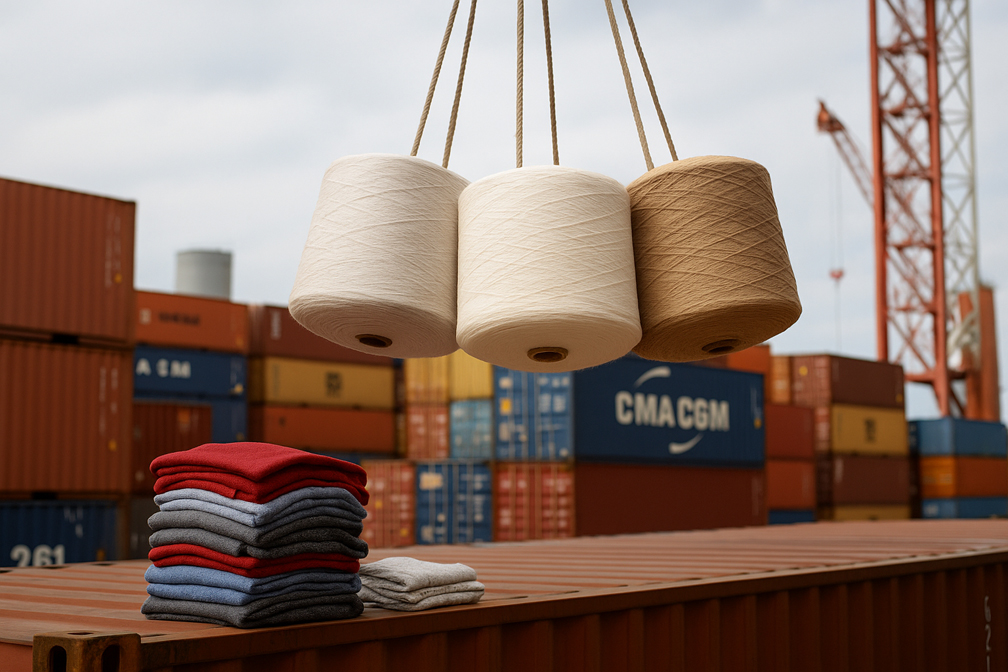
Imports of raw materials, including yarn and fabric—particularly knitted fabric—surged significantly in the financial year 2024–25, highlighting the country’s growing reliance on foreign supplies.
Exporters attributed the rise to the high cost of locally produced materials, ongoing gas shortages and a reduction in cash incentives.
According to data from the Bangladesh Textile Mills Association (BTMA), based on figures from the National Board of Revenue (NBR), knit fabric imports rose by 32.18 per cent in FY 25, with the country importing approximately 0.51 million tonnes—up from 0.38 million tonnes in FY24.
In addition, woven fabric imports reached 0.62 million tonnes in FY25, marking a 16.12 per cent increase from 0.54 million tonnes in the previous fiscal year.
Yarn imports also increased by 13.35 per cent, rising to 1.24 million tonnes in FY25 from 1.1 million tonnes in FY24.
Meanwhile, Bangladesh imported 8.35 million bales of cotton in FY25, compared to 7.75 million bales in FY24.
The country earned $39.34 billion from readymade garment exports in FY25, of which $21.15 billion came from knitwear and $18.18 billion from woven items, according to Export Promotion Bureau (EPB) data.
Bangladesh Knitwear Manufacturers and Exporters Association (BKMEA) president Mohammad Hatem apprehended that the import of yarn and knit fabrics would further rise.
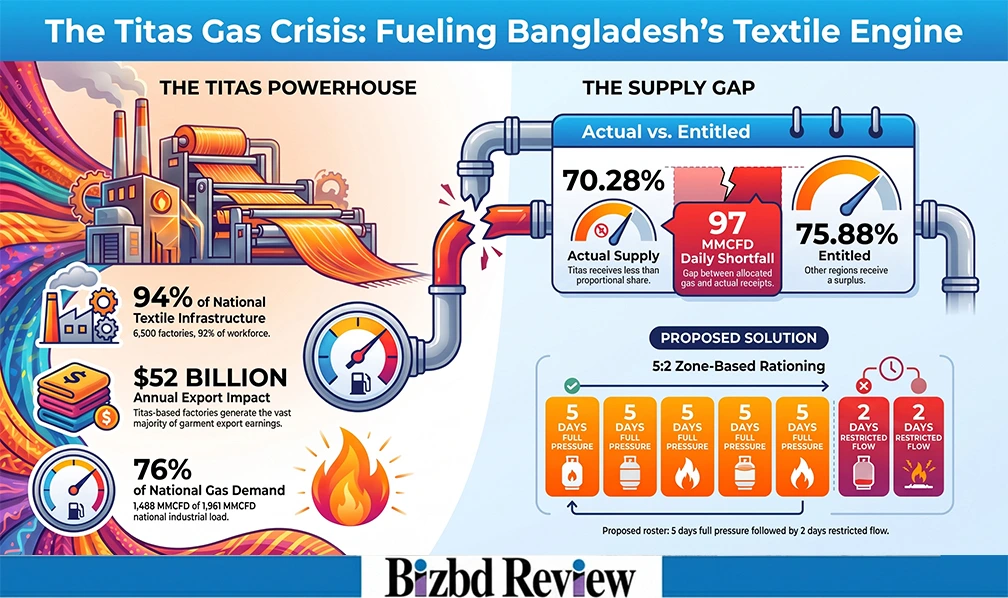
‘One of the main reasons is poor gas supply, and due to the gas crisis, we could not operate at full production capacity,’ he said.
As a result, buyers are now nominating imported fabrics from China as local production hampered and cost also went up due to many factors, Haterm explained.
He said that the cut in cash incentives made last year had also fuelled imports, adding that cash incentive support had virtually ended as exporters felt discouraged from claiming the facility, which, according to him, involved a lengthy process with lots of harassment.
‘Some 0.3 per cent cash incentive against exports using local raw materials is difficult to obtain, as it takes one and a half years, and we face harassment in getting it,’ Hatem said.
The BKMEA leader said the rise in fabric import would also affect exports to US amid the Trump Administration’s new tariff regimes that also tagged value addition requirement.
The US requires a minimum 40 per cent local value addition for ready-made garments (RMG) to qualify for the ‘Made in Bangladesh’ label, alongside imposing a 35 per cent tariff on Bangladeshi exports, according to sources.
On August 1, US President Donald Trump formally notified Bangladesh of a flat 35 per cent tariff applicable to all Bangladeshi exports.
Although the US announced reciprocal tariffs on several countries on April 2, including a 37 per cent duty on Bangladeshi products, it later imposed a 10 per cent flat rate for three months, which ended on July 9 and was extended until August 1.
Textile millers said the price difference between imported fabrics, mostly from India, and local ones does not vary much, as India offers dumping rates due to various facilities provided by its government to the textile industry.
They also said that the cut in cash incentives further pushed up imports.
Khorshed Alam, chairman of Little Star Spinning Mills, alleged misuse of the bonded facility, saying that many goods imported under this facility were sold in local markets.
He further accused importers of mis-declaration, claiming that fabric used for woven items like T-shirts might be imported under knit items.
He warned that if imports of RMG raw materials—yarn and fabric—continued to rise, many mills could face closure within the next year.