5:17 am, Thursday, 30 April 2026
BTKG Expo opens in Dhaka

Bangladesh to cut lending rates to boost investment: minister

Commerce Minister Khondaker Abdul Muktadir has said the government plans to reduce bank lending rates in a move aimed at encouraging fresh investment and sustaining growth in key industrial sectors.

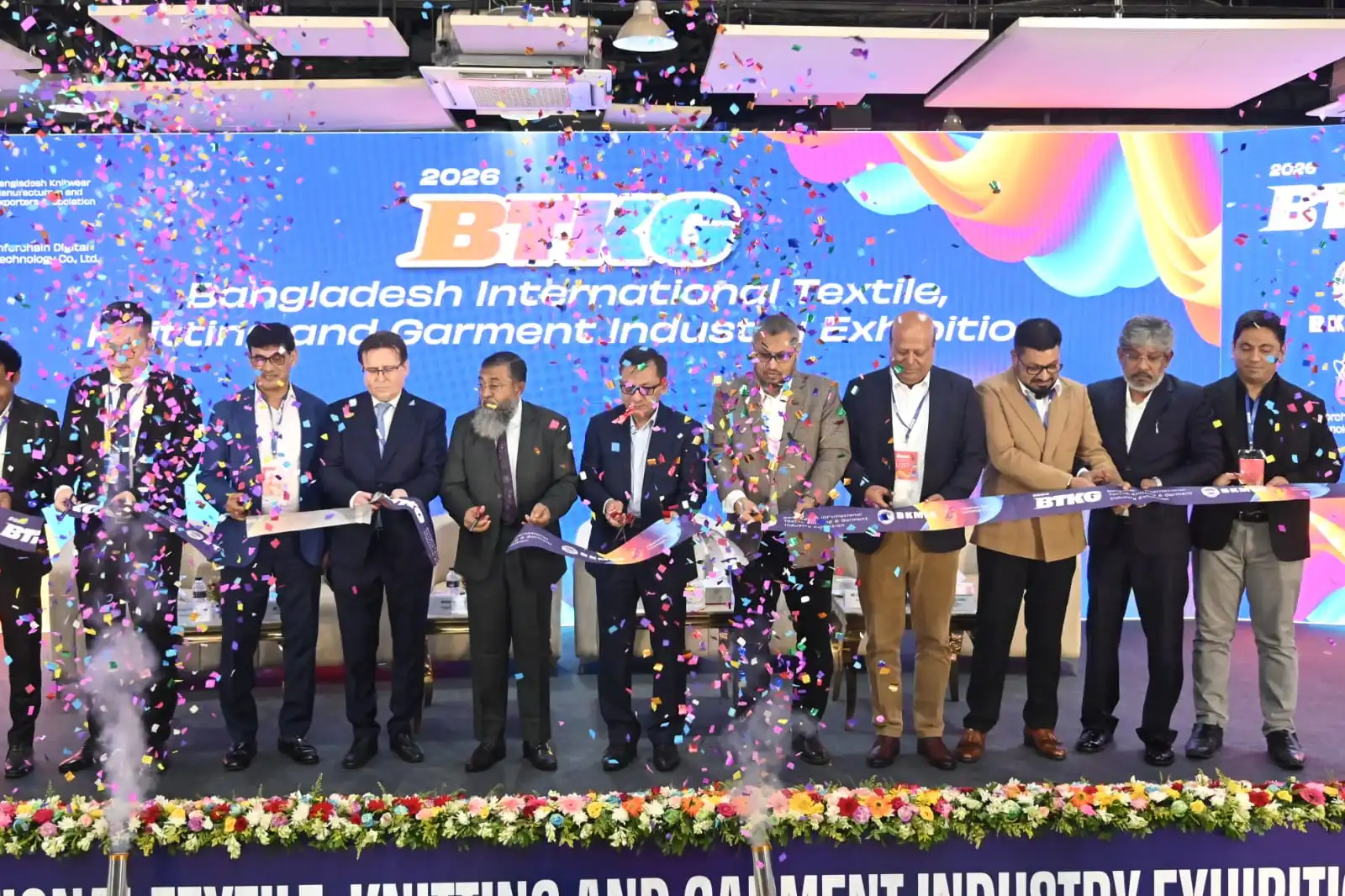
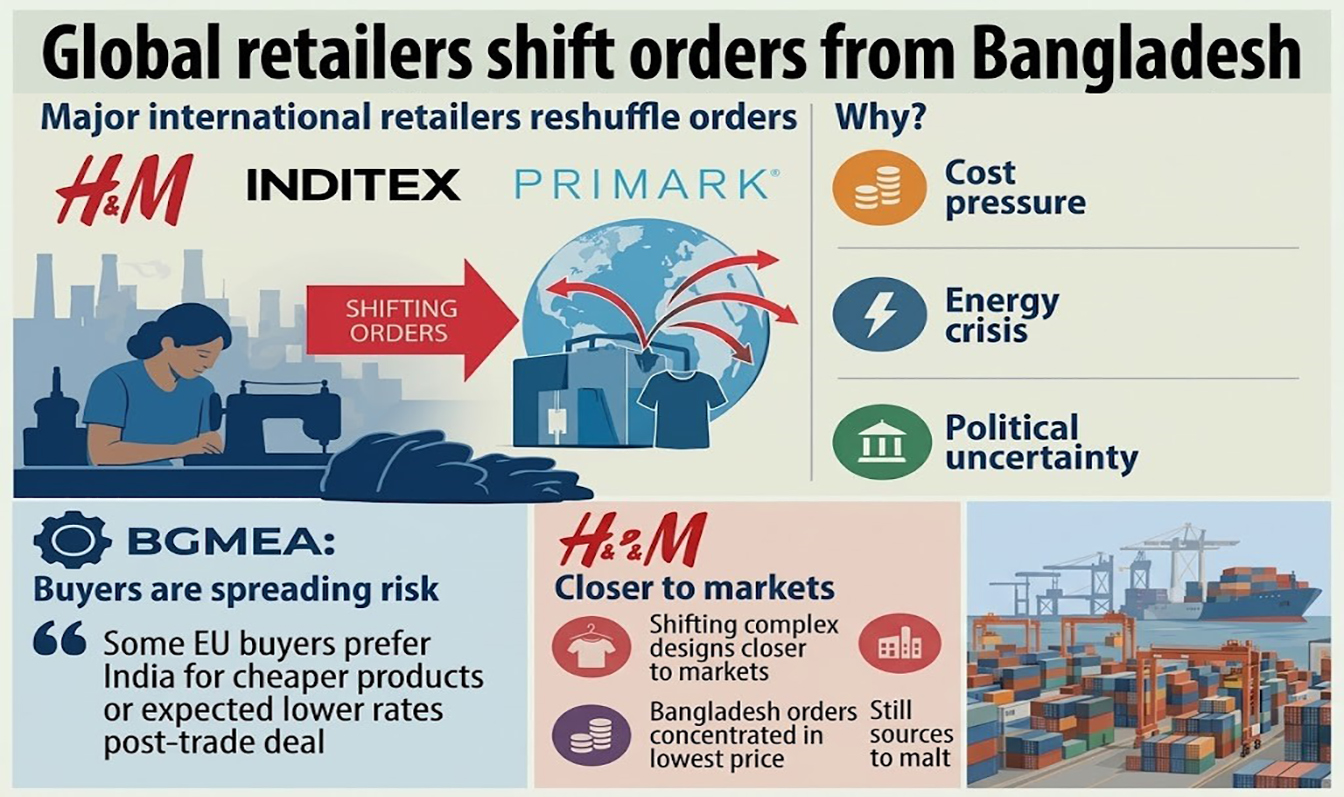
Speaking at the inaugural session of the Bangladesh International Textile, Knitting and Garment Industry Exhibition (BTKG Expo 2026), the minister acknowledged that industries are facing mounting pressure from an ongoing energy crisis and persistently high borrowing costs.

‘Energy shortages and double-digit interest rates are among the most pressing challenges for industry,’ he said. ‘Lending rates of 13 to 14 per cent are not suitable for labour-intensive sectors such as textiles and garments, where profit margins remain thin.’

Bangladesh’s textile and garment sector, the country’s largest export earner, has been grappling with rising operational costs, infrastructure constraints and a challenging global market environment.

Industry leaders have repeatedly called for lower financing costs to maintain competitiveness.

On the gas crisis, Muktadir said the current administration had inherited the problem, pointing to a supply gap of between 1,400 and 1,700 million cubic feet per day (mmcfd).

The shortfall has limited industrial output, with many factories unable to operate at full capacity.

The four-day exhibition is being held at the International Convention City Bashundhara in the capital.

Organised jointly by the Bangladesh Knitwear Manufacturers and Exporters Association (BKMEA) and Inforchain Digital Technology Co Ltd, the event features more than 1,000 exhibitors from 30 countries across around 1,800 booths.

Exhibits include advanced textile machinery, dyes and chemicals, knitting and weaving technologies, embroidery systems, cutting and sewing equipment, as well as washing and dry-cleaning solutions.

Organisers say the exhibition reflects a growing shift towards technology-driven and sustainable production.

The minister also said the government is planning to facilitate the generation of up to 10,000 megawatts of solar power through private sector participation, although further details were not disclosed.

In a bid to improve the business climate, the government is working to simplify procedures by introducing provisional licences, allowing businesses to begin operations immediately after submitting applications.

He said that the National Board of Revenue (NBR) is expected to introduce measures to create a more business-friendly environment.

The government is also targeting a reduction in logistics costs to around 10 per cent within the next two years, alongside efforts to broaden the tax base.

At the same event, Fazlee Shamim Ehsan, president of the Bangladesh Employers Federation, called for the development of a bipartite mechanism to resolve tax-related issues with the NBR, saying it would help ease doing business.

Meanwhile, Mohammad Hatem, president of BKMEA, urged the government to introduce budgetary measures to address the sector’s challenges.

Organisers said the industry must accelerate its transition towards more efficient, sustainable and technology-driven production systems to remain competitive globally.

They expressed hope that the exhibition would help the sector recover, attract international buyers and showcase Bangladesh’s technological capabilities in the textile and garment industry.
BTKG Expo opens in Dhaka

Bangladesh to cut lending rates to boost investment: minister

Update Time : 11:33:16 pm, Wednesday, 29 April 2026

Commerce Minister Khondaker Abdul Muktadir has said the government plans to reduce bank lending rates in a move aimed at encouraging fresh investment and sustaining growth in key industrial sectors.

Speaking at the inaugural session of the Bangladesh International Textile, Knitting and Garment Industry Exhibition (BTKG Expo 2026), the minister acknowledged that industries are facing mounting pressure from an ongoing energy crisis and persistently high borrowing costs.

‘Energy shortages and double-digit interest rates are among the most pressing challenges for industry,’ he said. ‘Lending rates of 13 to 14 per cent are not suitable for labour-intensive sectors such as textiles and garments, where profit margins remain thin.’

Bangladesh’s textile and garment sector, the country’s largest export earner, has been grappling with rising operational costs, infrastructure constraints and a challenging global market environment.

Industry leaders have repeatedly called for lower financing costs to maintain competitiveness.

On the gas crisis, Muktadir said the current administration had inherited the problem, pointing to a supply gap of between 1,400 and 1,700 million cubic feet per day (mmcfd).

The shortfall has limited industrial output, with many factories unable to operate at full capacity.

The four-day exhibition is being held at the International Convention City Bashundhara in the capital.

Organised jointly by the Bangladesh Knitwear Manufacturers and Exporters Association (BKMEA) and Inforchain Digital Technology Co Ltd, the event features more than 1,000 exhibitors from 30 countries across around 1,800 booths.

Exhibits include advanced textile machinery, dyes and chemicals, knitting and weaving technologies, embroidery systems, cutting and sewing equipment, as well as washing and dry-cleaning solutions.

Organisers say the exhibition reflects a growing shift towards technology-driven and sustainable production.

The minister also said the government is planning to facilitate the generation of up to 10,000 megawatts of solar power through private sector participation, although further details were not disclosed.

In a bid to improve the business climate, the government is working to simplify procedures by introducing provisional licences, allowing businesses to begin operations immediately after submitting applications.

He said that the National Board of Revenue (NBR) is expected to introduce measures to create a more business-friendly environment.

The government is also targeting a reduction in logistics costs to around 10 per cent within the next two years, alongside efforts to broaden the tax base.

At the same event, Fazlee Shamim Ehsan, president of the Bangladesh Employers Federation, called for the development of a bipartite mechanism to resolve tax-related issues with the NBR, saying it would help ease doing business.

Meanwhile, Mohammad Hatem, president of BKMEA, urged the government to introduce budgetary measures to address the sector’s challenges.

Organisers said the industry must accelerate its transition towards more efficient, sustainable and technology-driven production systems to remain competitive globally.

They expressed hope that the exhibition would help the sector recover, attract international buyers and showcase Bangladesh’s technological capabilities in the textile and garment industry.