3:37 pm, Wednesday, 13 May 2026

Kunming positions itself as medical tourism hub for Bangladeshis

Kunming, the capital city of China’s southern Yunnan province, is positioning itself as a potential medical tourism hub for Bangladeshis, offering advanced healthcare services at comparatively lower costs.

Yunnan province has expanded health cooperation with Bangladesh to improve access, strengthen cross-border disease control, and promote people-to-people ties. However, officials acknowledged that visa delays and language barriers remain challenges.

Hospital representatives said Yunnan’s international medical services provide world-class care at affordable rates, with treatment costs significantly lower than those in other Asian destinations. This has made Kunming increasingly attractive for Bangladeshi patients seeking specialised and cost-effective care.

According to Yunnan Province Health Commission deputy director Wang Jiankun, the province has introduced a pilot plan and guidelines for international medical services.

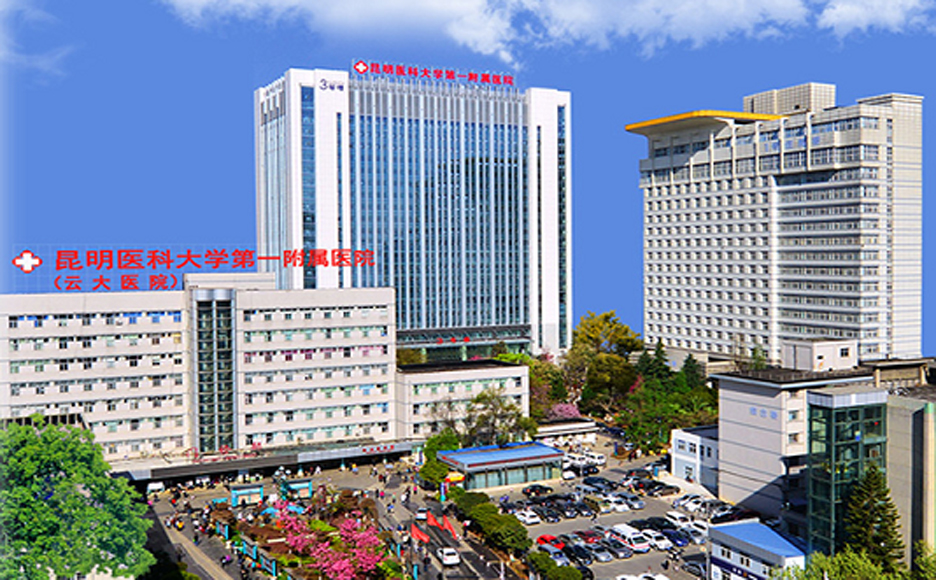
Five hospitals—Yunnan First People’s Hospital, the First Affiliated Hospital of Kunming Medical University, Yunnan Cardiovascular Hospital, Yunnan Cancer Hospital, and Zhongshan Hospital of Kunming—have opened dedicated departments for foreign patients, established official contact channels, and deployed staff to respond to inquiries.

Since March, the hospitals have received 1,313 emails from Bangladesh, issued 37 medical treatment certificates, and welcomed 67 patients, commission data shows. The visa process has also been streamlined, with medical treatment certificates now replacing invitation letters.

Language barriers are being tackled through Bangladeshi student volunteers, English-speaking doctors, professional interpreters, and English-language medical documents.

Hospitals are also catering to cultural needs by providing halal meals, Bangladeshi dishes, and prayer facilities, alongside services such as airport pick-up and orientation.

Yunnan has also partnered with Bangladesh on targeted medical missions. Under the ‘Love Heart Journey’ programme, which focuses on congenital heart disease in children, 720 Bangladeshi children have undergone successful surgery since 2024.

‘This year marks the 50th anniversary of diplomatic relations between China and Bangladesh, as well as a year dedicated to people-to-people exchanges. We are committed to building long-term cooperation that delivers real healthcare benefits,’ Wang said at a meeting with a Bangladesh media delegation on August 7 at the First Affiliated Hospital of Kunming Medical University.

The 23-member Bangladesh media team, led by interim government chief adviser’s deputy press secretary Mohammad Abul Kalam Azad Majumder, visited Kunming from August 6–9 to review the city’s medical facilities.

Wang said that in line with provincial directives, a 22-member Yunnan delegation had earlier visited Bangladesh to promote medical and educational exchanges, donate medical supplies, establish joint workstations, and launch collaborative projects.

Hospital officials said treatment costs vary by case complexity and surgical needs but remain well below rates in Thailand and Malaysia.

Typically, Bangladeshi patients begin by contacting hospitals via email or phone, submitting applications, and receiving evaluations.

Eligible patients are then issued certificates to support visa applications, with doctors finalising treatment plans after in-person consultations.

While interest has been strong, Wang admitted that actual patient numbers remain modest, with many inquiries limited to consultations.

He said Yunnan is working with agencies and travel partners to attract more genuine patients, stressing that the province’s efforts also emphasise cultural respect, trust-building, and knowledge-sharing.

Deputy press secretary Azad said the interim government, which took office in August 2024 following the July uprising, has been seeking alternatives to India, Thailand, Singapore, and Malaysia for timely and affordable treatment.

During the foreign adviser’s January 2025 visit to China, Bangladesh formally proposed opening Kunming’s hospitals to Bangladeshi patients. This was followed by a March delegation of patients, doctors, journalists, and tour operators to Kunming, which generated growing interest.

Azad added that during a February meeting in Beijing between chief adviser Professor Muhammad Yunus and Chinese president Xi Jinping, plans were outlined to deepen medical cooperation.

In May, China opened all government and private hospitals in Kunming to Bangladeshi patients and introduced a green channel for visa processing.

Bangladesh consulate has also sought special accommodation for patients and their families. To further ease travel, direct flights between Kunming and Chattogram, as well as additional Dhaka–Kunming routes, are now being planned.

Kunming positions itself as medical tourism hub for Bangladeshis

Update Time : 08:10:57 pm, Sunday, 17 August 2025

Kunming, the capital city of China’s southern Yunnan province, is positioning itself as a potential medical tourism hub for Bangladeshis, offering advanced healthcare services at comparatively lower costs.

Yunnan province has expanded health cooperation with Bangladesh to improve access, strengthen cross-border disease control, and promote people-to-people ties. However, officials acknowledged that visa delays and language barriers remain challenges.

Hospital representatives said Yunnan’s international medical services provide world-class care at affordable rates, with treatment costs significantly lower than those in other Asian destinations. This has made Kunming increasingly attractive for Bangladeshi patients seeking specialised and cost-effective care.

According to Yunnan Province Health Commission deputy director Wang Jiankun, the province has introduced a pilot plan and guidelines for international medical services.

Five hospitals—Yunnan First People’s Hospital, the First Affiliated Hospital of Kunming Medical University, Yunnan Cardiovascular Hospital, Yunnan Cancer Hospital, and Zhongshan Hospital of Kunming—have opened dedicated departments for foreign patients, established official contact channels, and deployed staff to respond to inquiries.

Since March, the hospitals have received 1,313 emails from Bangladesh, issued 37 medical treatment certificates, and welcomed 67 patients, commission data shows. The visa process has also been streamlined, with medical treatment certificates now replacing invitation letters.

Language barriers are being tackled through Bangladeshi student volunteers, English-speaking doctors, professional interpreters, and English-language medical documents.

Hospitals are also catering to cultural needs by providing halal meals, Bangladeshi dishes, and prayer facilities, alongside services such as airport pick-up and orientation.

Yunnan has also partnered with Bangladesh on targeted medical missions. Under the ‘Love Heart Journey’ programme, which focuses on congenital heart disease in children, 720 Bangladeshi children have undergone successful surgery since 2024.

‘This year marks the 50th anniversary of diplomatic relations between China and Bangladesh, as well as a year dedicated to people-to-people exchanges. We are committed to building long-term cooperation that delivers real healthcare benefits,’ Wang said at a meeting with a Bangladesh media delegation on August 7 at the First Affiliated Hospital of Kunming Medical University.

The 23-member Bangladesh media team, led by interim government chief adviser’s deputy press secretary Mohammad Abul Kalam Azad Majumder, visited Kunming from August 6–9 to review the city’s medical facilities.

Wang said that in line with provincial directives, a 22-member Yunnan delegation had earlier visited Bangladesh to promote medical and educational exchanges, donate medical supplies, establish joint workstations, and launch collaborative projects.

Hospital officials said treatment costs vary by case complexity and surgical needs but remain well below rates in Thailand and Malaysia.

Typically, Bangladeshi patients begin by contacting hospitals via email or phone, submitting applications, and receiving evaluations.

Eligible patients are then issued certificates to support visa applications, with doctors finalising treatment plans after in-person consultations.

While interest has been strong, Wang admitted that actual patient numbers remain modest, with many inquiries limited to consultations.

He said Yunnan is working with agencies and travel partners to attract more genuine patients, stressing that the province’s efforts also emphasise cultural respect, trust-building, and knowledge-sharing.

Deputy press secretary Azad said the interim government, which took office in August 2024 following the July uprising, has been seeking alternatives to India, Thailand, Singapore, and Malaysia for timely and affordable treatment.

During the foreign adviser’s January 2025 visit to China, Bangladesh formally proposed opening Kunming’s hospitals to Bangladeshi patients. This was followed by a March delegation of patients, doctors, journalists, and tour operators to Kunming, which generated growing interest.

Azad added that during a February meeting in Beijing between chief adviser Professor Muhammad Yunus and Chinese president Xi Jinping, plans were outlined to deepen medical cooperation.

In May, China opened all government and private hospitals in Kunming to Bangladeshi patients and introduced a green channel for visa processing.

Bangladesh consulate has also sought special accommodation for patients and their families. To further ease travel, direct flights between Kunming and Chattogram, as well as additional Dhaka–Kunming routes, are now being planned.