12:15 am, Saturday, 6 December 2025

Global report exposes systemic labour exploitation in Bangladesh RMG sector

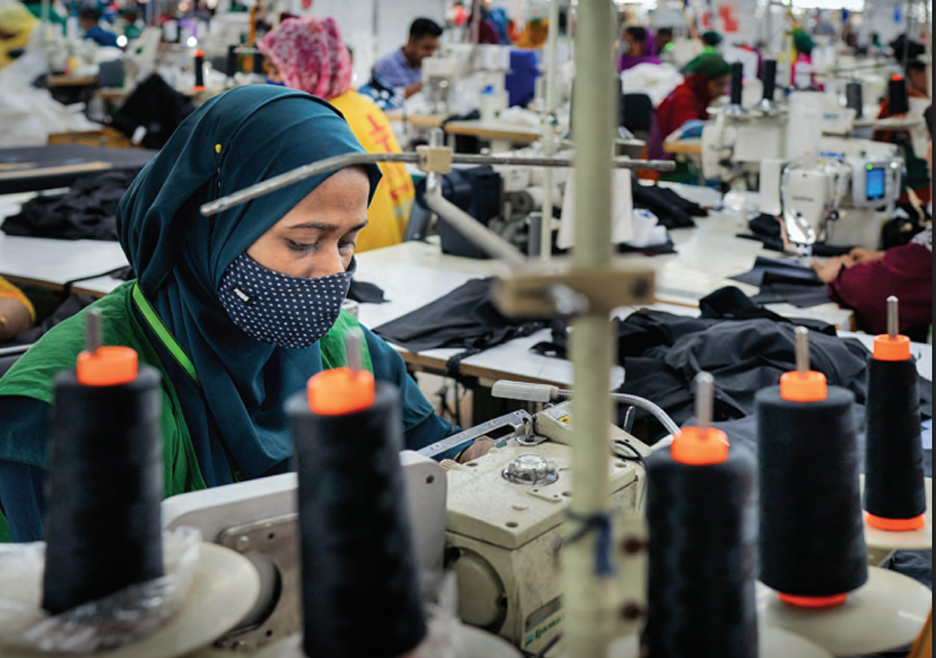
A new global report has exposed widespread exploitation in Bangladesh’s garment industry, revealing evidence of child labour, forced labour, withheld wages, excessive overtime, and union suppression in subcontracting and informal factories that supply major international brands.

Despite reforms since the Rana Plaza disaster, the study by Oxfam Australia warned that millions of workers — especially women and children — remained trapped in poverty wages and abusive conditions, while Australian and other Western retailers continued to profit from opaque supply chains and weak enforcement of labour rights.

The research, published on August 26 under the title Unravelling Exploitation: Exposing the Need for Responsible Business Laws in Fashion Supply Chains, called for urgent reforms to ensure that global supply chains do not continue to rely on abusive and exploitative labour.

Drawing on more than a dozen focus group discussions, key informant interviews and a survey of over 400 workers, the study found that the sourcing model from which international brands profit enables and sustains exploitation.

It found that much of the abuse occurred in informal workplaces such as subcontracting units and home-based production sites, where monitoring was weak and conditions were hidden from view.

Bangladesh RMG industry leaders, however, rejected the report’s findings.

The report pointed to decades of evidence showing that exploitation in global garment supply chains has continued despite the existence of legislation in Australia and other countries.

In Bangladesh, where the readymade garment (RMG) industry employs millions and remains central to the economy, Oxfam said conditions amounting to modern slavery were still deeply entrenched, particularly in subcontracted and informal factories.

Its findings were described as stark. Children as young as seven to ten were said to be working long hours in subcontracted settings, often for a fraction of a living wage, while facing verbal harassment and, in some cases, physical abuse.

Women and children were identified as being disproportionately affected, with every woman surveyed reporting wages below a living wage.

Overall, 95 per cent of workers were said to be earning less than what was required to cover basic needs.

The report stated that forced labour was prevalent in Bangladesh’s RMG sector, with estimates suggesting that up to 86 per cent of workers in the informal garment industry met forced labour criteria.

The report highlighted indicators such as abuse of vulnerability, deception, restriction of movement, intimidation, retention of identity documents, withholding of wages, debt bondage, abusive working conditions, and excessive overtime.

It cited the Rana Plaza factory collapse in 2013 as a tragic example where workers were forced to work despite safety concerns.

The report explained that excessive overtime was widespread and detrimental to workers’ health.

In Bangladesh, 28 per cent of respondents reported being forced to work overtime, and 26 per cent were unable to take leave when ill.

Indicators were said to include withheld wages, excessive overtime, intimidation, blacklisting through fingerprint-based attendance systems, and debt bondage.

One in five workers reportedly experienced wage delays or illegal deductions, while many were described as being locked in financial insecurity that forced them to accept abusive conditions.

Excessive overtime was highlighted as a major problem.

Although Bangladeshi law limits overtime to two hours a day, workers were said to be routinely compelled to work 12-hour shifts.

Even in the absence of direct threats, most were reported to have no option but to accept extended hours because regular wages were insufficient to survive on.

Oxfam observed that working overtime had become essential simply to meet basic needs or repay loans, underlining the exploitative nature of the system.

The report documented the health consequences of these conditions, citing chronic back and leg pain, exhaustion, and eye strain caused by poor lighting.

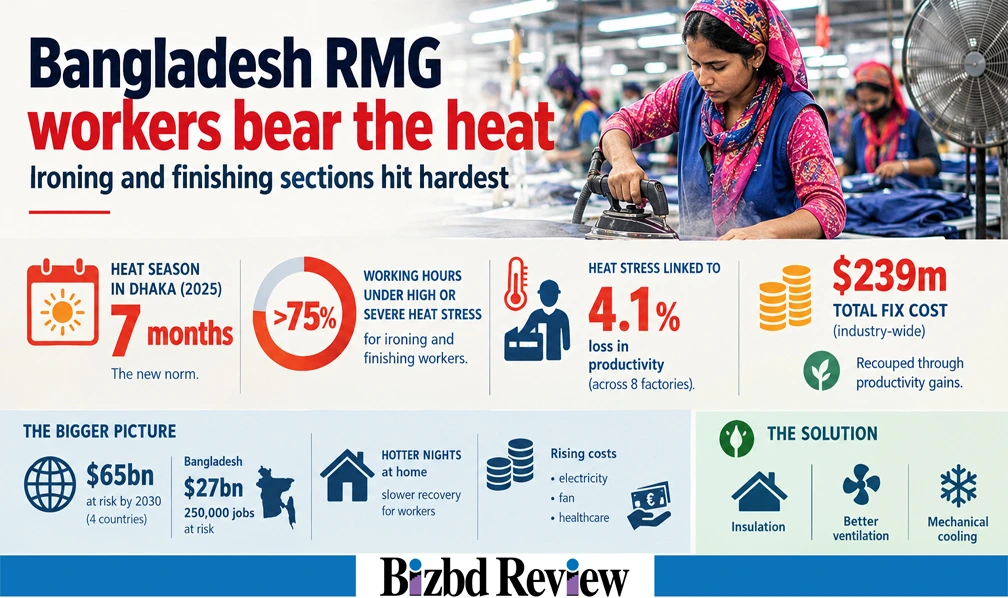
It also noted that many factories lacked proper ventilation, leaving workers to endure stifling heat during long shifts.

Oxfam indicated that the root causes of these abuses stemmed from systemic issues within the global sourcing model.

It said international brands often imposed aggressive purchasing practices, including demands for low prices, fast turnaround times, and last-minute order changes, which in turn drove widespread subcontracting, often unauthorised, and shifted risks down the supply chain.

Home-based workers and small subcontracting factories were reported to bear the brunt of this pressure while remaining largely invisible to official monitoring systems.

The report said that 61 per cent of surveyed workers earned below the statutory minimum wage, with poverty wages trapping them in cycles of debt and dependence on informal moneylenders, making them vulnerable to coercion.

It suggested that employers frequently preferred hiring individuals with limited knowledge of their rights, including children, to avoid demands for fair treatment.

Oxfam also found that, despite legal protections, unionisation was often undermined.

Workers attempting to form or join unions faced dismissal or harassment, while applications to register new unions were frequently rejected without explanation.

In some instances, worker protests were violently suppressed, reinforcing a pervasive climate of fear.

Bangladesh RMG industry leaders rejected the report’s findings.

Fazlee Shamim Ehsan, executive president of the Bangladesh Knitwear Manufacturers and Exporters Association (BKMEA), said that there was no child labour or forced labour in export-oriented garment factories.

He claimed that home-based garment production was family-based stitching for local communities and fell outside the association’s jurisdiction.

Regarding subcontracting, Ehsan acknowledged that member factories had responsibility but maintained that no complaints had been received.

He also asserted that no worker was forced to do overtime and alleged that some NGOs released such reports without consulting the relevant industry bodies.

Oxfam noted that Bangladesh was not alone in facing such labour abuses, pointing to similar patterns in China’s cotton industry, where schoolchildren were reportedly compelled to work, and in India’s Sumangali Scheme, which enticed young girls with promises of wedding dowries only to trap them in bonded labour.

The organisation added that across the region, systemic exploitation underpinned the global fashion trade.

It observed that Australia was deeply connected to these risks, importing 57.87 per cent of its garments from China, 7.84 per cent from Bangladesh, and 6.11 per cent from India, all of which were classified as high-risk for modern slavery.

The report criticised Australia’s legislative framework as inadequate, saying that the Modern Slavery Act 2018 required companies to report on risks but imposed no penalties for non-compliance.

Oxfam described the Act as a ‘box-ticking exercise’ that had raised awareness but failed to change corporate behaviour.

Oxfam urged urgent reforms in both Australia and the fashion industry. It recommended that the government amend the Modern Slavery Act to mandate human rights due diligence and impose consequences on companies that fail to act.

It also called for comprehensive responsible business laws covering human rights and environmental harms, along with an import ban on goods produced with forced labour, modelled on the US Tariff Act, and suggested that public procurement processes reward companies addressing human rights risks while excluding non-compliant ones.

For brands and retailers, Oxfam proposed implementing worker-led due diligence by involving unions and community representatives in all stages of risk assessment and remediation.

‘Decades of evidence show that voluntary approaches will not end systemic abuse,’ the report concluded. ‘Binding legislation, backed by accountability, is the only way to ensure workers in Bangladesh and beyond are no longer forced to endure modern slavery in the name of fashion.’
Global report exposes systemic labour exploitation in Bangladesh RMG sector

Update Time : 04:50:24 am, Sunday, 31 August 2025

A new global report has exposed widespread exploitation in Bangladesh’s garment industry, revealing evidence of child labour, forced labour, withheld wages, excessive overtime, and union suppression in subcontracting and informal factories that supply major international brands.

Despite reforms since the Rana Plaza disaster, the study by Oxfam Australia warned that millions of workers — especially women and children — remained trapped in poverty wages and abusive conditions, while Australian and other Western retailers continued to profit from opaque supply chains and weak enforcement of labour rights.

The research, published on August 26 under the title Unravelling Exploitation: Exposing the Need for Responsible Business Laws in Fashion Supply Chains, called for urgent reforms to ensure that global supply chains do not continue to rely on abusive and exploitative labour.

Drawing on more than a dozen focus group discussions, key informant interviews and a survey of over 400 workers, the study found that the sourcing model from which international brands profit enables and sustains exploitation.

It found that much of the abuse occurred in informal workplaces such as subcontracting units and home-based production sites, where monitoring was weak and conditions were hidden from view.

Bangladesh RMG industry leaders, however, rejected the report’s findings.

The report pointed to decades of evidence showing that exploitation in global garment supply chains has continued despite the existence of legislation in Australia and other countries.

In Bangladesh, where the readymade garment (RMG) industry employs millions and remains central to the economy, Oxfam said conditions amounting to modern slavery were still deeply entrenched, particularly in subcontracted and informal factories.

Its findings were described as stark. Children as young as seven to ten were said to be working long hours in subcontracted settings, often for a fraction of a living wage, while facing verbal harassment and, in some cases, physical abuse.

Women and children were identified as being disproportionately affected, with every woman surveyed reporting wages below a living wage.

Overall, 95 per cent of workers were said to be earning less than what was required to cover basic needs.

The report stated that forced labour was prevalent in Bangladesh’s RMG sector, with estimates suggesting that up to 86 per cent of workers in the informal garment industry met forced labour criteria.

The report highlighted indicators such as abuse of vulnerability, deception, restriction of movement, intimidation, retention of identity documents, withholding of wages, debt bondage, abusive working conditions, and excessive overtime.

It cited the Rana Plaza factory collapse in 2013 as a tragic example where workers were forced to work despite safety concerns.

The report explained that excessive overtime was widespread and detrimental to workers’ health.

In Bangladesh, 28 per cent of respondents reported being forced to work overtime, and 26 per cent were unable to take leave when ill.

Indicators were said to include withheld wages, excessive overtime, intimidation, blacklisting through fingerprint-based attendance systems, and debt bondage.

One in five workers reportedly experienced wage delays or illegal deductions, while many were described as being locked in financial insecurity that forced them to accept abusive conditions.

Excessive overtime was highlighted as a major problem.

Although Bangladeshi law limits overtime to two hours a day, workers were said to be routinely compelled to work 12-hour shifts.

Even in the absence of direct threats, most were reported to have no option but to accept extended hours because regular wages were insufficient to survive on.

Oxfam observed that working overtime had become essential simply to meet basic needs or repay loans, underlining the exploitative nature of the system.

The report documented the health consequences of these conditions, citing chronic back and leg pain, exhaustion, and eye strain caused by poor lighting.

It also noted that many factories lacked proper ventilation, leaving workers to endure stifling heat during long shifts.

Oxfam indicated that the root causes of these abuses stemmed from systemic issues within the global sourcing model.

It said international brands often imposed aggressive purchasing practices, including demands for low prices, fast turnaround times, and last-minute order changes, which in turn drove widespread subcontracting, often unauthorised, and shifted risks down the supply chain.

Home-based workers and small subcontracting factories were reported to bear the brunt of this pressure while remaining largely invisible to official monitoring systems.

The report said that 61 per cent of surveyed workers earned below the statutory minimum wage, with poverty wages trapping them in cycles of debt and dependence on informal moneylenders, making them vulnerable to coercion.

It suggested that employers frequently preferred hiring individuals with limited knowledge of their rights, including children, to avoid demands for fair treatment.

Oxfam also found that, despite legal protections, unionisation was often undermined.

Workers attempting to form or join unions faced dismissal or harassment, while applications to register new unions were frequently rejected without explanation.

In some instances, worker protests were violently suppressed, reinforcing a pervasive climate of fear.

Bangladesh RMG industry leaders rejected the report’s findings.

Fazlee Shamim Ehsan, executive president of the Bangladesh Knitwear Manufacturers and Exporters Association (BKMEA), said that there was no child labour or forced labour in export-oriented garment factories.

He claimed that home-based garment production was family-based stitching for local communities and fell outside the association’s jurisdiction.

Regarding subcontracting, Ehsan acknowledged that member factories had responsibility but maintained that no complaints had been received.

He also asserted that no worker was forced to do overtime and alleged that some NGOs released such reports without consulting the relevant industry bodies.

Oxfam noted that Bangladesh was not alone in facing such labour abuses, pointing to similar patterns in China’s cotton industry, where schoolchildren were reportedly compelled to work, and in India’s Sumangali Scheme, which enticed young girls with promises of wedding dowries only to trap them in bonded labour.

The organisation added that across the region, systemic exploitation underpinned the global fashion trade.

It observed that Australia was deeply connected to these risks, importing 57.87 per cent of its garments from China, 7.84 per cent from Bangladesh, and 6.11 per cent from India, all of which were classified as high-risk for modern slavery.

The report criticised Australia’s legislative framework as inadequate, saying that the Modern Slavery Act 2018 required companies to report on risks but imposed no penalties for non-compliance.

Oxfam described the Act as a ‘box-ticking exercise’ that had raised awareness but failed to change corporate behaviour.

Oxfam urged urgent reforms in both Australia and the fashion industry. It recommended that the government amend the Modern Slavery Act to mandate human rights due diligence and impose consequences on companies that fail to act.

It also called for comprehensive responsible business laws covering human rights and environmental harms, along with an import ban on goods produced with forced labour, modelled on the US Tariff Act, and suggested that public procurement processes reward companies addressing human rights risks while excluding non-compliant ones.

For brands and retailers, Oxfam proposed implementing worker-led due diligence by involving unions and community representatives in all stages of risk assessment and remediation.

‘Decades of evidence show that voluntary approaches will not end systemic abuse,’ the report concluded. ‘Binding legislation, backed by accountability, is the only way to ensure workers in Bangladesh and beyond are no longer forced to endure modern slavery in the name of fashion.’