Bizbd Report
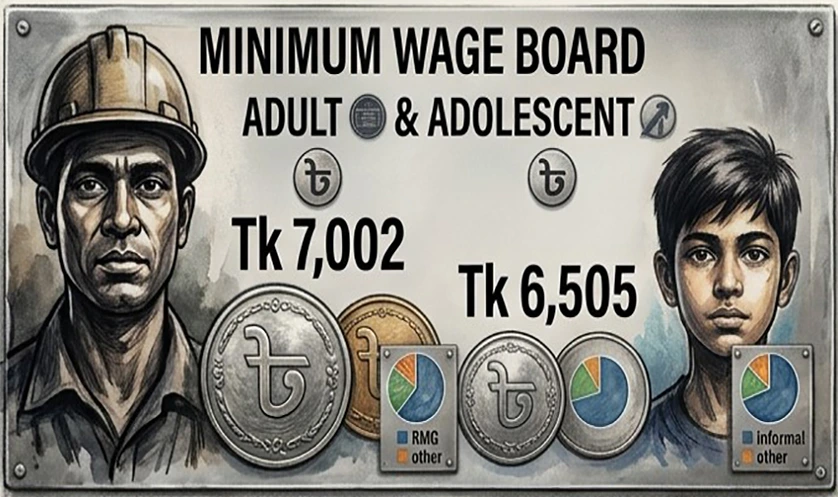
Forum, a panel of Bangladesh Garment Manufacturers and Exporters Association (BGMEA) members contesting the upcoming biennial election, has proposed the introduction of a mandatory savings mechanism to ensure timely wage payments to workers during times of crisis.
Panel leader Mahmud Hasan Khan on Sunday said that, if elected, Forum would prioritise the creation of this ‘forced savings mechanism’ to prevent wage delays, particularly ahead of major festivals like Eid.
While details were not disclosed, he said that the concept had already been discussed internally and would be included in the panel’s election manifesto.
Mahmud Hasan made the remarks at a ‘meet the press’ event in a city hotel, where Forum outlined its nine-point strategic agenda ahead of the BGMEA election scheduled for 31 May.
Forum and Sammilito Parishad—another panel– are contesting the biennial election of the apparel apex body while and Oikkyo Parishad is contesting with partial panel of six candidates against 35 posts of BGMEA directors.
Responding to a question, Mahmud Hasan said the RMG sector typically pays workers’ wages within the first seven working days of the month.
However, less than 1.0 per cent of the total operational factories, occasionally face challenges in paying wages on time ahead of Eid.
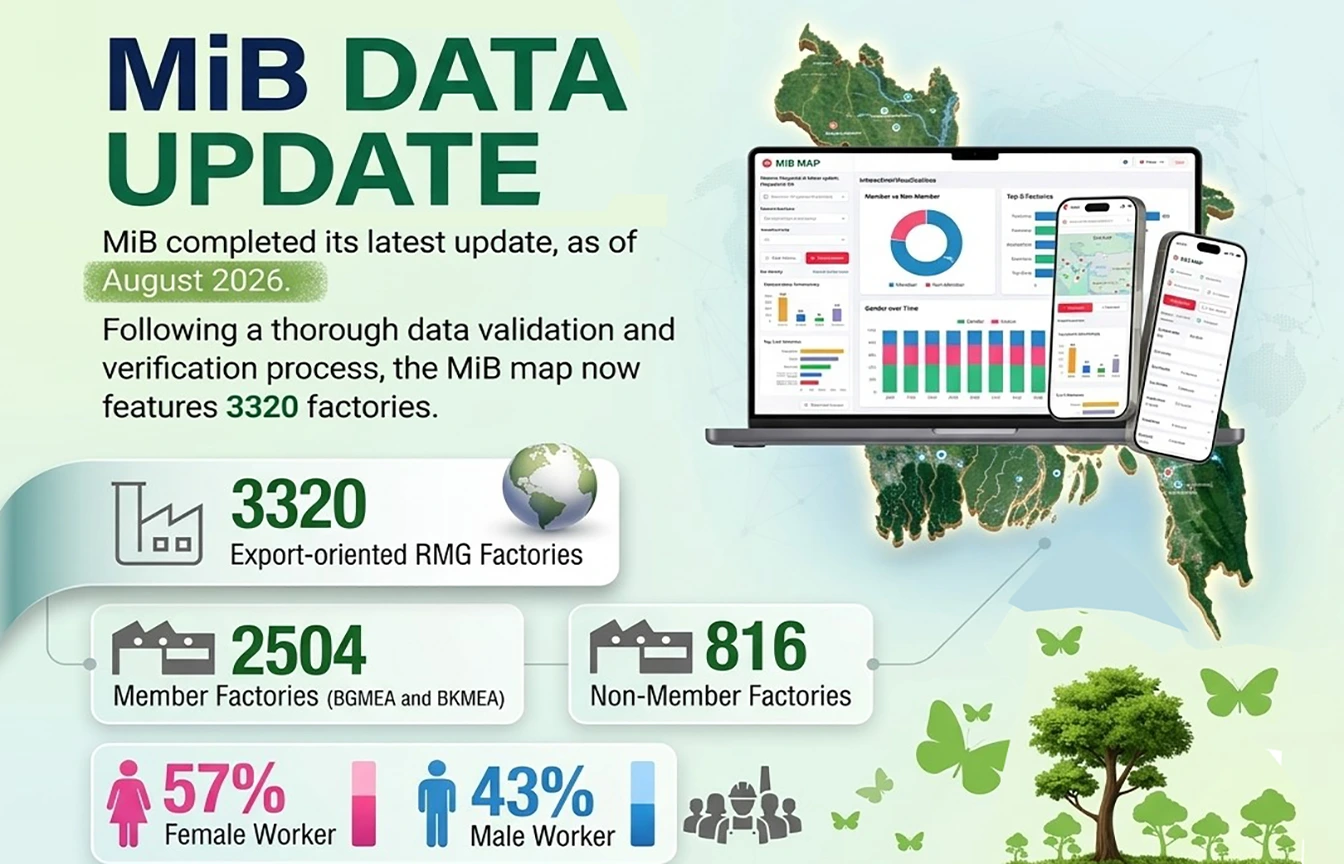
There are more than 7,000 member factories registered with BGMEA while around 2,000–2,500 are in operation and some 1,800 are actively engaged in exports taking utilization declaration (UD) from BGMEA, he said.
While factories in Bangladesh’s largest sector may experience difficulties due to various reasons including shipment delays, infrastructure challenges, supply chain disruptions or worker unrest, failure to pay workers’ wages cannot be justified, he said.
Repeated incidents of wage non-payment by garment factories continue to trigger labour unrest, road blockades, and clashes—often requiring government intervention, particularly ahead of Eid.
On a separate note, Mahmud Hasan raised concerns about ongoing harassment by customs authorities during factory audits, remarking that ‘it seems this has become a part of our lives.’
To resolve the issue, he suggested outsourcing audits to professional audit firms and called for the introduction of a digital clearance system for both imports and exports.
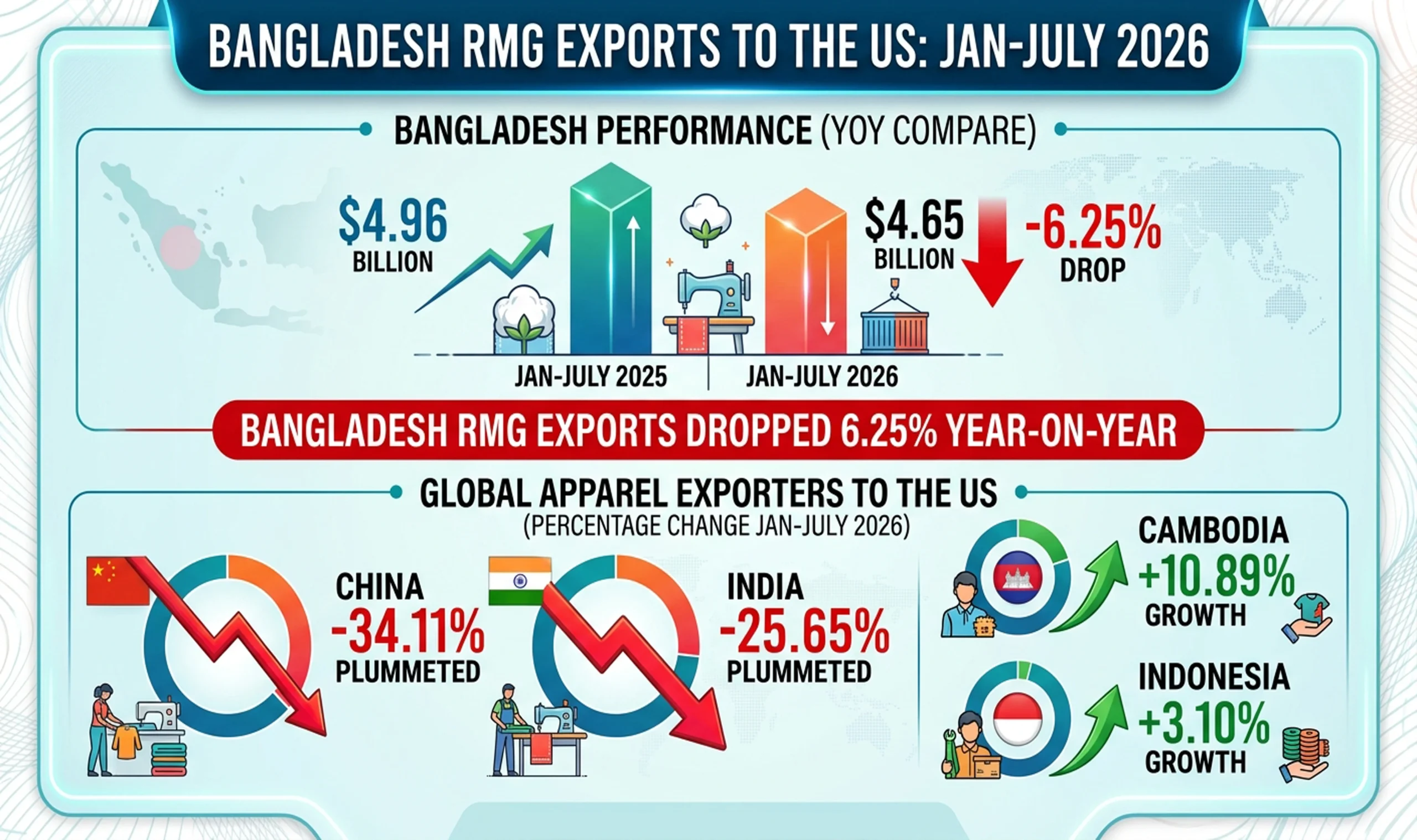
Responding to a question regarding the potential impact of proposed US tariffs on Bangladeshi exports, he argued that if the tariffs are meant to be reciprocal, the rate applied to Bangladesh should be comparatively lower.
On fair pricing, Mahmud Hasan emphasised that pricing outcomes depend on strong negotiation skills, strategic planning and controlled growth.
He pointed out that negotiation power improves when there is a balance between demand and supply or between buyers and manufacturers, urging the industry to avoid unplanned expansion.
He also reiterated the need to introduce a floor price for readymade garments (RMG), acknowledging that while challenging, it is achievable.
Regarding Bangladesh’s upcoming graduation from LDC status, he said the government is taking necessary steps and that the garment sector is ready to support these efforts.
Forum’s nine-point strategic agenda includes the establishment of a dedicated ministry to oversee the RMG sector.
If elected, the panel has pledged to promote sustainability within BGMEA by ensuring accountability of elected directors and facilitating access to low-interest financing for small and medium-sized enterprises (SMEs).