11:52 am, Friday, 16 January 2026

EU GSP revision could strip Bangladesh RMG of duty free access

  • Bizbd Report
  • Update Time : 10:14:51 pm, Wednesday, 17 December 2025
  • 270

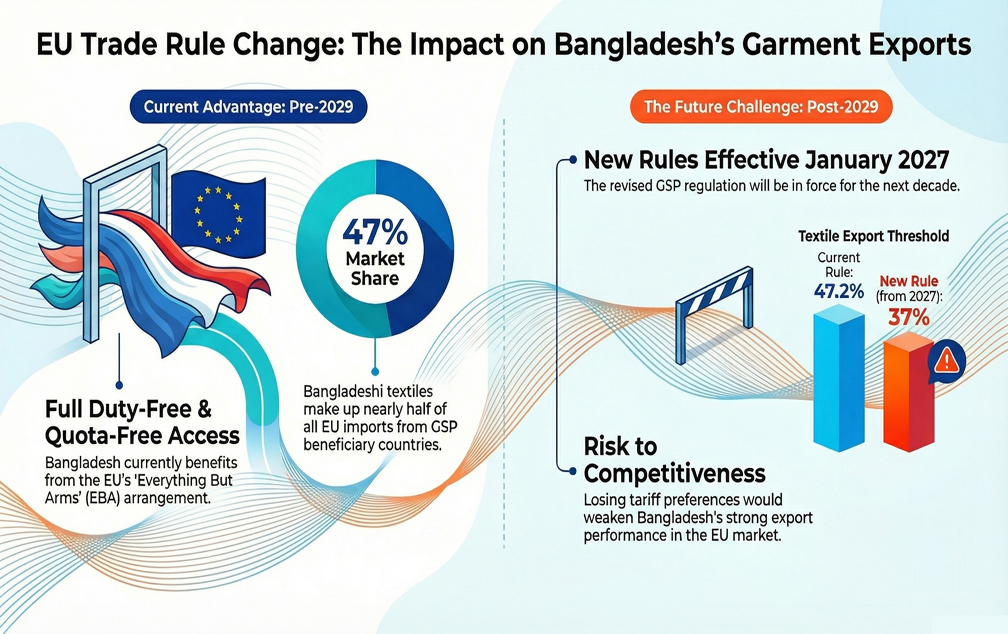
Bangladesh’s garments may lose duty-free access to the European Union under the GSP plus facility after LDC graduation, as the European Commission and Parliament agreed to revise the GSP from 2027, cutting thresholds for textile and garment exports from 47.2 per cent to 37 per cent.

The European Commission, the Council of the EU and the European Parliament reached a political agreement on December 1 to overhaul the GSP framework.

The new regulation would take effect on January 1, 2027 and would remain in force for a decade.

One of the key changes is the reduction of product graduation thresholds, a measure aimed at limiting prolonged preferential access for sectors that dominate EU imports under the scheme.

From that point, Bangladesh would no longer benefit from the EU’s Everything But Arms (EBA) arrangement, under which it currently enjoys full duty-free and quota-free access.

Experts said that although the country would then be eligible to apply for GSP Plus, the revised rules have raised concerns about whether garment exports would continue to receive preferential treatment.

Under the revised provisions, the threshold for textile and garment exports to the EU will be reduced to 37 per cent from the current 47.2 per cent.

This lower ceiling would become relevant for Bangladesh after 2029, when the three-year transition period granted following LDC graduation is due to expire.

EU Ambassador and Head of the EU Delegation to Dhaka Michael Miller said in an email response that Bangladesh would not be affected by the threshold while it remains an EBA beneficiary.

‘The threshold applies only to standard GSP and GSP+ beneficiary countries,’ he said.

He explained that Bangladesh would continue to enjoy EBA preferences as long as it retains LDC status and would also receive a unilateral three-year transition period after graduation.

Miller said that during this period the EU would maintain existing trade preferences to enable Bangladesh to prepare for GSP or GSP Plus requirements and would also provide financial and technical support to help ensure compliance.

He also sought to clarify concerns over the safeguard mechanism embedded in the revised regulation, noting that it is not a new measure.

He said the automatic safeguard system already exists under the current GSP and has never been activated, as the necessary thresholds have not yet been met.

Safeguards would only apply if a beneficiary country’s exports of a particular product exceed 37 per cent of EU imports of that product from all GSP beneficiary countries.

Additionally, the mechanism would not be triggered if the beneficiary’s exports account for less than 6 per cent of total EU imports of the same product from all countries.

‘It is not possible at this stage to predict what Bangladesh’s export share will be when it eventually exits the EBA arrangement,’ the EU envoy said.

Despite these assurances, economists remained cautious, with M A Razzaque, chairman of Research and Policy Integration for Development (RAPID), saying that safeguard measures could be imposed if a country exceeded either threshold for three consecutive years, potentially leading to the withdrawal of duty-free access.

He said Bangladesh’s garments currently accounted for about 24 per cent of total EU imports and around 47 per cent of textile imports from GSP beneficiary countries, warning that the loss of tariff preferences would weaken the competitiveness underpinning the country’s strong export performance in the EU market.

The EU is Bangladesh’s largest export destination, and the garment sector has expanded rapidly there over the past decade, largely because of preferential access.

Eurostat data showed that Bangladesh’s garment exports to the EU rose from €11.54 billion in 2015 to €18.28 billion in 2024, an increase of more than 58 per cent.

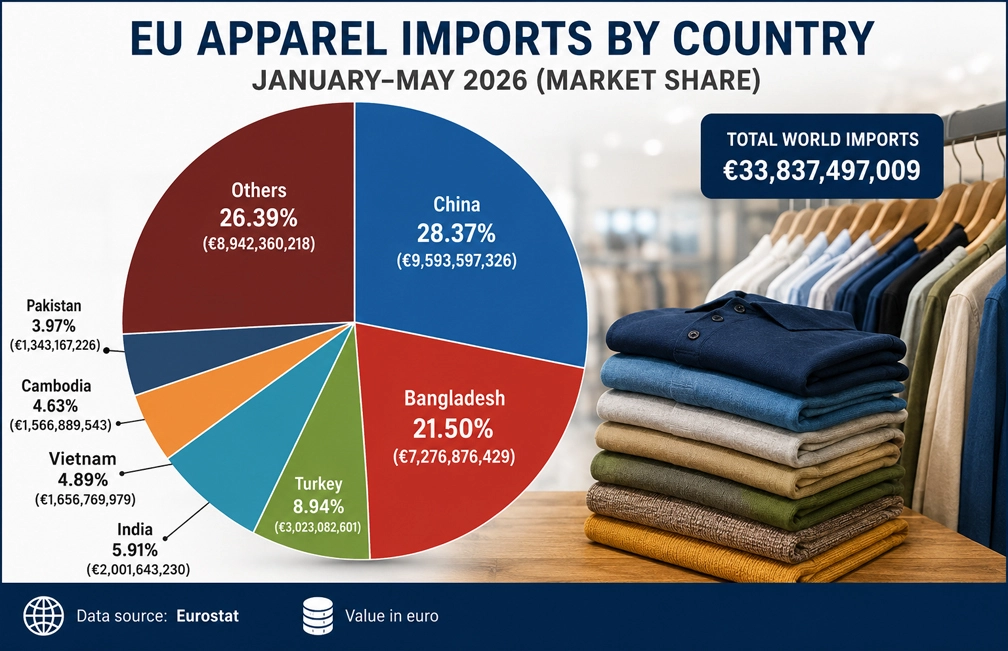
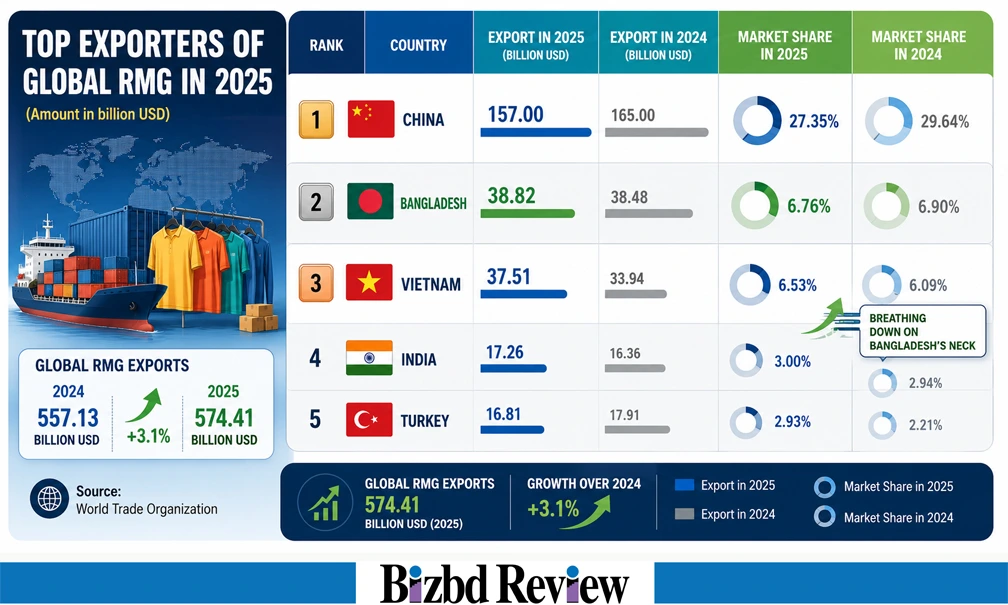
Industry insiders said competition in the EU market is set to intensify, as exporters such as China, Vietnam, India and Cambodia are stepping up efforts to expand their presence, partly in response to higher tariffs in the United States.

From 2029, Bangladeshi garments are expected to face average duties of around 12 per cent in the EU, while tariffs on Vietnamese apparel will gradually fall to zero under Vietnam’s free trade agreement with the bloc.

This divergence is likely to put Bangladeshi exporters at a disadvantage.

Fazlee Shamim Ehsan, executive president of the Bangladesh Knitwear Manufacturers and Exporters Association, urged the government to strengthen diplomatic engagement with the EU to seek flexibility on safeguard provisions and to press for a longer transition period.

He also said the industry must use the remaining time to improve efficiency and productivity, diversify products and markets, and reduce waste to remain competitive in a post-preference trading environment.
EU GSP revision could strip Bangladesh RMG of duty free access

Update Time : 10:14:51 pm, Wednesday, 17 December 2025

Bangladesh’s garments may lose duty-free access to the European Union under the GSP plus facility after LDC graduation, as the European Commission and Parliament agreed to revise the GSP from 2027, cutting thresholds for textile and garment exports from 47.2 per cent to 37 per cent.

The European Commission, the Council of the EU and the European Parliament reached a political agreement on December 1 to overhaul the GSP framework.

The new regulation would take effect on January 1, 2027 and would remain in force for a decade.

One of the key changes is the reduction of product graduation thresholds, a measure aimed at limiting prolonged preferential access for sectors that dominate EU imports under the scheme.

From that point, Bangladesh would no longer benefit from the EU’s Everything But Arms (EBA) arrangement, under which it currently enjoys full duty-free and quota-free access.

Experts said that although the country would then be eligible to apply for GSP Plus, the revised rules have raised concerns about whether garment exports would continue to receive preferential treatment.

Under the revised provisions, the threshold for textile and garment exports to the EU will be reduced to 37 per cent from the current 47.2 per cent.

This lower ceiling would become relevant for Bangladesh after 2029, when the three-year transition period granted following LDC graduation is due to expire.

EU Ambassador and Head of the EU Delegation to Dhaka Michael Miller said in an email response that Bangladesh would not be affected by the threshold while it remains an EBA beneficiary.

‘The threshold applies only to standard GSP and GSP+ beneficiary countries,’ he said.

He explained that Bangladesh would continue to enjoy EBA preferences as long as it retains LDC status and would also receive a unilateral three-year transition period after graduation.

Miller said that during this period the EU would maintain existing trade preferences to enable Bangladesh to prepare for GSP or GSP Plus requirements and would also provide financial and technical support to help ensure compliance.

He also sought to clarify concerns over the safeguard mechanism embedded in the revised regulation, noting that it is not a new measure.

He said the automatic safeguard system already exists under the current GSP and has never been activated, as the necessary thresholds have not yet been met.

Safeguards would only apply if a beneficiary country’s exports of a particular product exceed 37 per cent of EU imports of that product from all GSP beneficiary countries.

Additionally, the mechanism would not be triggered if the beneficiary’s exports account for less than 6 per cent of total EU imports of the same product from all countries.

‘It is not possible at this stage to predict what Bangladesh’s export share will be when it eventually exits the EBA arrangement,’ the EU envoy said.

Despite these assurances, economists remained cautious, with M A Razzaque, chairman of Research and Policy Integration for Development (RAPID), saying that safeguard measures could be imposed if a country exceeded either threshold for three consecutive years, potentially leading to the withdrawal of duty-free access.

He said Bangladesh’s garments currently accounted for about 24 per cent of total EU imports and around 47 per cent of textile imports from GSP beneficiary countries, warning that the loss of tariff preferences would weaken the competitiveness underpinning the country’s strong export performance in the EU market.

The EU is Bangladesh’s largest export destination, and the garment sector has expanded rapidly there over the past decade, largely because of preferential access.

Eurostat data showed that Bangladesh’s garment exports to the EU rose from €11.54 billion in 2015 to €18.28 billion in 2024, an increase of more than 58 per cent.

Industry insiders said competition in the EU market is set to intensify, as exporters such as China, Vietnam, India and Cambodia are stepping up efforts to expand their presence, partly in response to higher tariffs in the United States.

From 2029, Bangladeshi garments are expected to face average duties of around 12 per cent in the EU, while tariffs on Vietnamese apparel will gradually fall to zero under Vietnam’s free trade agreement with the bloc.

This divergence is likely to put Bangladeshi exporters at a disadvantage.

Fazlee Shamim Ehsan, executive president of the Bangladesh Knitwear Manufacturers and Exporters Association, urged the government to strengthen diplomatic engagement with the EU to seek flexibility on safeguard provisions and to press for a longer transition period.

He also said the industry must use the remaining time to improve efficiency and productivity, diversify products and markets, and reduce waste to remain competitive in a post-preference trading environment.