6:47 pm, Saturday, 2 May 2026

Bangladesh’s apparel exports to EU surge 25.3pc in Jan-Apr

Bangladesh has raced ahead in the European Union apparel market, posting the highest growth among major suppliers in the first four months of 2025.

According to Eurostat data released on June 13, Bangladesh’s apparel exports to the EU in January–April 2025 jumped by €1.52 billion to €7.54 billion — a striking 25.3 per cent increase from the same period in 2024 — putting it ahead of traditional rivals like China, India and Turkey in year-on-year growth.

This performance not only secures Bangladesh’s position as the second-largest apparel exporter to the EU after China but also marks the highest absolute growth in euro terms among all major suppliers.

China, which maintained its lead with €7.88 billion in apparel exports to the EU in the first four months of 2025, posted a growth of €1.50 billion, or 23.5 per cent, over the same period.

Cambodia, Pakistan, India, and Vietnam also recorded double-digit growth, while Turkey was the only major country to register a decline.

The newly elected president of the Bangladesh Garment Manufacturers and Exporters Association (BGMEA), Mahmud Hasan Khan Babu, described the export growth as a positive development.

He attributed the increase to the continued flow of business and a shift in orders from China, while also noting that the enhanced capacity of the local garment sector played a role in attracting more work orders.

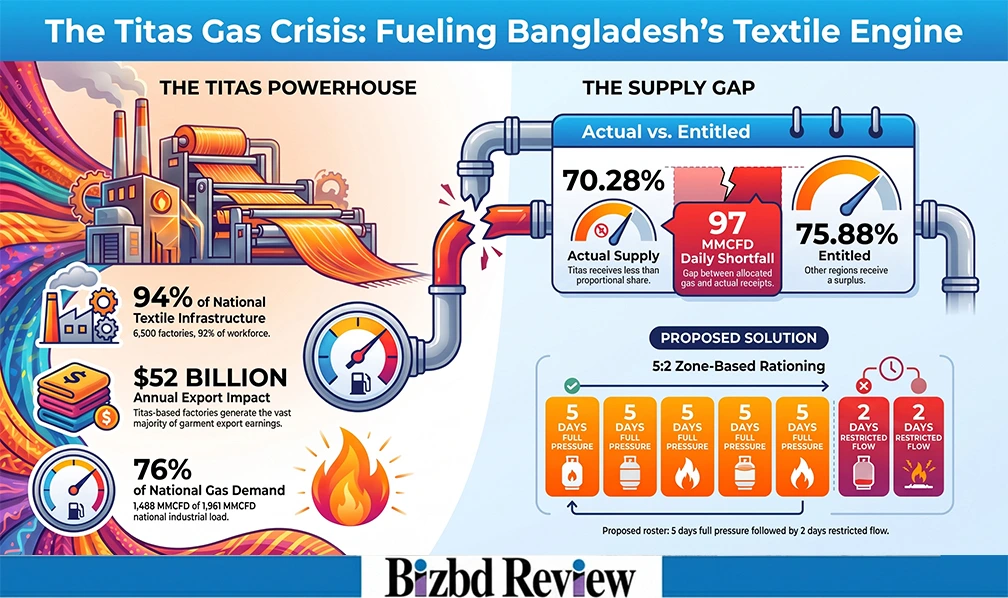
Babu indicated that the performance could have been even better if there had been stronger logistical support, particularly an uninterrupted gas supply.

He also expressed concerns about value retention, highlighting the absence of specific data on the extent of value addition compared to overall exports and imports.

The month-wise breakdown for Bangladesh highlighted an especially strong start to the year.

In January, Bangladesh’s readymade garment exports to the EU surged by 60.9 per cent year-on-year to €1.91 billion, up from €1.19 billion in 2024.

The growth rate slowed slightly in the following months but remained robust—28.0 per cent in February, 18.6 per cent in March, and 6.0 per cent in April.

Exporters attributed the strong showing in January to order spillovers from late 2024, early-season buying by European retailers, and efforts to front-load shipments ahead of anticipated logistical or market uncertainties.

Overall, EU apparel imports grew by 15.7 per cent in the January–April 2025 period, reaching €30.42 billion compared to €26.29 billion a year earlier.

Bangladesh and China together contributed more than 70 per cent of the total increase in EU apparel imports.

EU apparel imports from China rose 23.5 per cent in January–April 2025 to €7.88 billion, up from €6.38 billion in the same period of 2024.

In contrast, Turkey’s apparel exports to the EU declined by 4.0 per cent, falling from €3.03 billion in the first four months of 2024 to €2.91 billion in the same period of 2025.

India’s apparel exports to the EU grew 21.5 per cent in January–April 2025, reaching €1.87 billion compared to €1.54 billion in 2024.

Vietnam, another key Asian supplier, saw a 17.3 per cent rise in apparel exports to the EU during the same period, increasing to €1.38 billion from €1.18 billion the previous year.

Pakistan’s apparel exports to the EU grew strongly by 25.1 per cent in the first four months of 2025, rising from €1.07 billion to €1.33 billion.

Cambodia recorded the fastest growth among major exporters, with a 33.5 per cent increase from €1.09 billion to €1.46 billion

Most Viewed

Bangladesh’s apparel exports to EU surge 25.3pc in Jan-Apr

Update Time : 11:21:33 am, Saturday, 14 June 2025

Bangladesh has raced ahead in the European Union apparel market, posting the highest growth among major suppliers in the first four months of 2025.

According to Eurostat data released on June 13, Bangladesh’s apparel exports to the EU in January–April 2025 jumped by €1.52 billion to €7.54 billion — a striking 25.3 per cent increase from the same period in 2024 — putting it ahead of traditional rivals like China, India and Turkey in year-on-year growth.

This performance not only secures Bangladesh’s position as the second-largest apparel exporter to the EU after China but also marks the highest absolute growth in euro terms among all major suppliers.

China, which maintained its lead with €7.88 billion in apparel exports to the EU in the first four months of 2025, posted a growth of €1.50 billion, or 23.5 per cent, over the same period.

Cambodia, Pakistan, India, and Vietnam also recorded double-digit growth, while Turkey was the only major country to register a decline.

The newly elected president of the Bangladesh Garment Manufacturers and Exporters Association (BGMEA), Mahmud Hasan Khan Babu, described the export growth as a positive development.

He attributed the increase to the continued flow of business and a shift in orders from China, while also noting that the enhanced capacity of the local garment sector played a role in attracting more work orders.

Babu indicated that the performance could have been even better if there had been stronger logistical support, particularly an uninterrupted gas supply.

He also expressed concerns about value retention, highlighting the absence of specific data on the extent of value addition compared to overall exports and imports.

The month-wise breakdown for Bangladesh highlighted an especially strong start to the year.

In January, Bangladesh’s readymade garment exports to the EU surged by 60.9 per cent year-on-year to €1.91 billion, up from €1.19 billion in 2024.

The growth rate slowed slightly in the following months but remained robust—28.0 per cent in February, 18.6 per cent in March, and 6.0 per cent in April.

Exporters attributed the strong showing in January to order spillovers from late 2024, early-season buying by European retailers, and efforts to front-load shipments ahead of anticipated logistical or market uncertainties.

Overall, EU apparel imports grew by 15.7 per cent in the January–April 2025 period, reaching €30.42 billion compared to €26.29 billion a year earlier.

Bangladesh and China together contributed more than 70 per cent of the total increase in EU apparel imports.

EU apparel imports from China rose 23.5 per cent in January–April 2025 to €7.88 billion, up from €6.38 billion in the same period of 2024.

In contrast, Turkey’s apparel exports to the EU declined by 4.0 per cent, falling from €3.03 billion in the first four months of 2024 to €2.91 billion in the same period of 2025.

India’s apparel exports to the EU grew 21.5 per cent in January–April 2025, reaching €1.87 billion compared to €1.54 billion in 2024.

Vietnam, another key Asian supplier, saw a 17.3 per cent rise in apparel exports to the EU during the same period, increasing to €1.38 billion from €1.18 billion the previous year.

Pakistan’s apparel exports to the EU grew strongly by 25.1 per cent in the first four months of 2025, rising from €1.07 billion to €1.33 billion.

Cambodia recorded the fastest growth among major exporters, with a 33.5 per cent increase from €1.09 billion to €1.46 billion