9:26 pm, Friday, 12 December 2025

US invites Bangladesh to pivotal round of tariff talks

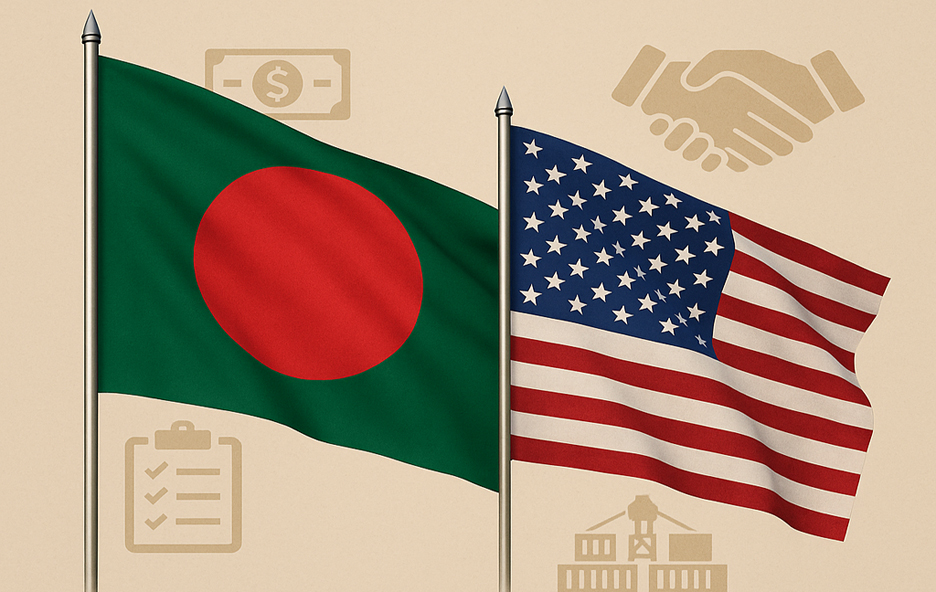
The United States Trade Representative (USTR) has invited Bangladesh to participate in the second round of negotiations on the Agreement on Reciprocal Tariff, scheduled to take place from July 9 to 11.

According to a statement issued by the interim government’s Chief Adviser’s press wing on July 9, Bangladesh is among the first countries to resume talks following President Trump’s July 7 letter to the leaders of 14 nations.

Commerce Adviser Sheikh Bashiruddin, who is leading the Bangladesh delegation, will attend the negotiations in person in Washington DC, while National Security Adviser Khalilur Rahman will join virtually from Dhaka.

Senior officials, including the Commerce Secretary and an Additional Commerce Secretary, have already arrived in Washington to take part in the discussions.

Bangladesh hopes to build on the progress made during the first round of fruitful negotiations held on 27 June and to conclude the agreement expeditiously.

The US on July 7 announced a 35 per cent tariff on all Bangladeshi exports entering the US market, effective August 1, 2025, citing persistent trade imbalances and what it describes as unfair tariff and non-tariff barriers imposed by Bangladesh.

The move was formally communicated through a letter sent by the US President Donald J Trump to Professor Muhammad Yunus, Chief Advisor of Bangladesh interim government.

In the letter, dated July 7, President Trump emphasised that although the US remained committed to its trading relationship with Bangladesh, persistent trade deficits had necessitated a move toward what he described as more balanced and fair trade.

He asserted that the US, which he referred to as the number one market in the world, had for years faced an unequal trading arrangement with Bangladesh, largely due to what he viewed as restrictive trade practices imposed by Dhaka.

‘We must move away from these long-term, and very persistent, trade deficits engendered by Bangladesh’s tariff and non-tariff policies and trade barriers,’ Trump wrote.

The letter said that all Bangladeshi goods would face a 35 per cent tariff, regardless of sector, and warned that any attempt to transship goods to avoid higher rates would also be penalised.

However, Trump noted that companies from Bangladesh could avoid the tariff altogether by shifting production to the US, with promises of rapid regulatory approvals.

Additionally, Trump warned that any retaliatory increase in tariffs by Bangladesh would be met with further hikes from the US.

‘If for any reason you decide to raise your tariffs, then, whatever the number you choose to raise them by, will be added onto the 35 per cent that we charge,’ the letter read.

While the letter was firm in tone, it also left the door open for negotiation.

Trump said the tariff could be adjusted—upward or downward—depending on the future of US-Bangladesh trade relations, especially if Bangladesh opens its markets and removes existing trade barriers.

The letter was among several sent to leaders of 14 countries, including Bangladesh, Japan, South Korea and others, as part of Trump’s renewed effort to address trade deficits.

The letters have been publicly shared via his social media platform, Truth Social.

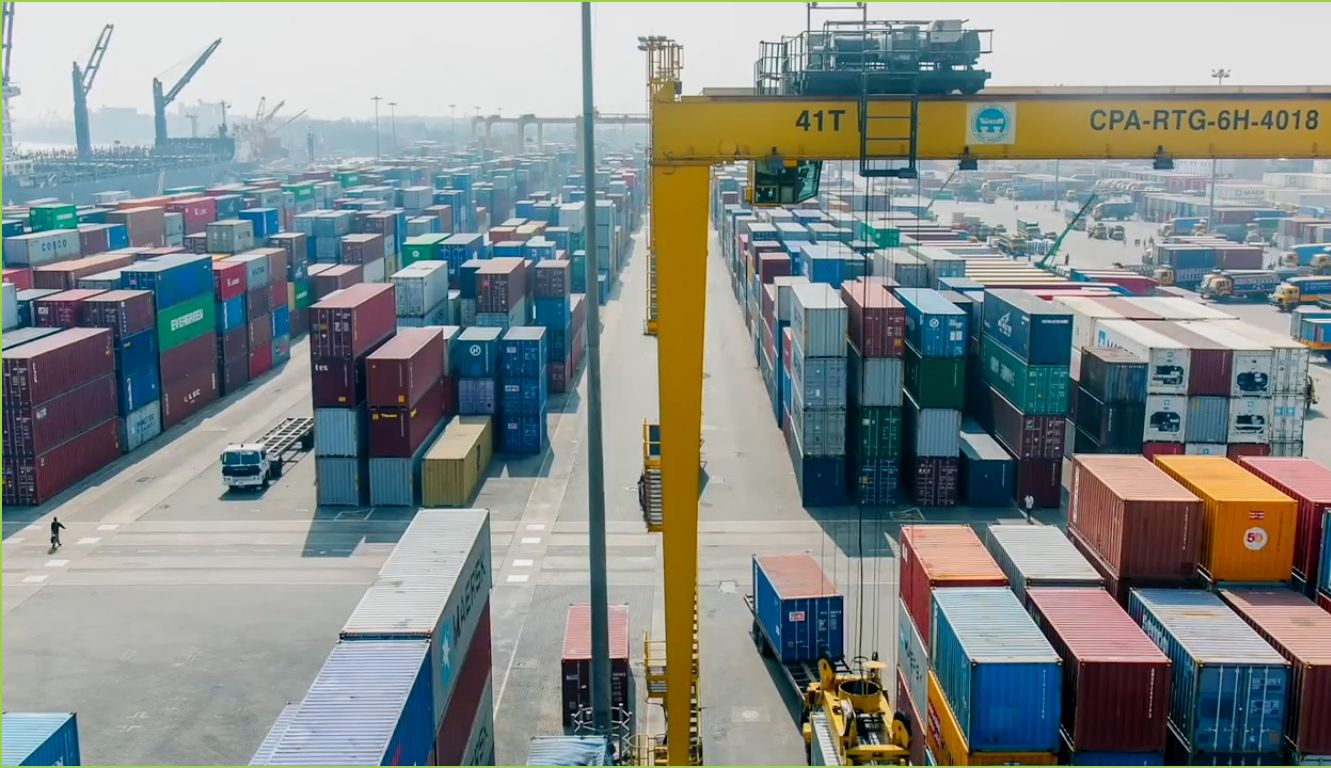
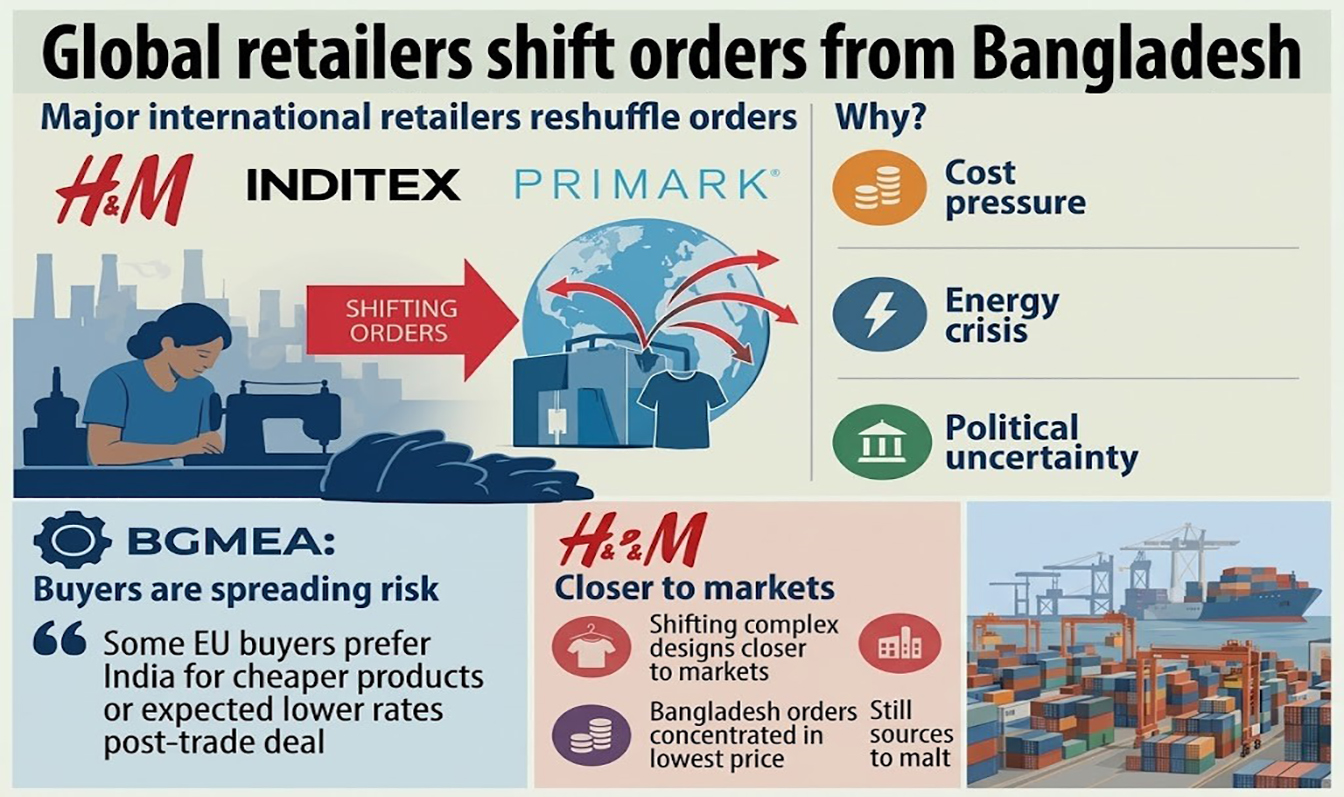
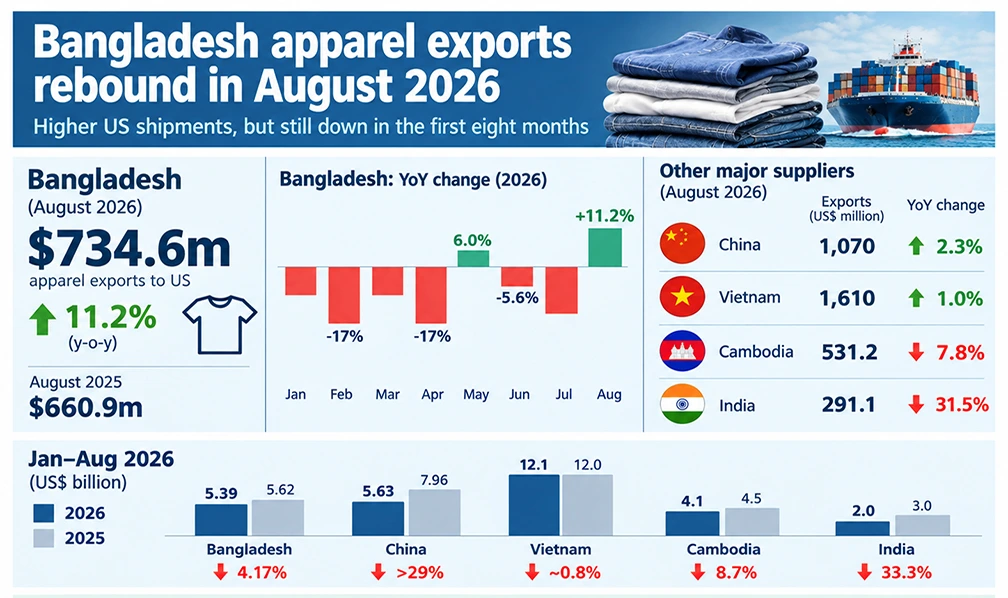
Analysts warn that the tariffs risk disrupting global supply chains and intensifying trade tensions, especially in export-dependent sectors like Bangladesh’s garment industry.
US invites Bangladesh to pivotal round of tariff talks

Update Time : 03:46:02 pm, Wednesday, 9 July 2025

The United States Trade Representative (USTR) has invited Bangladesh to participate in the second round of negotiations on the Agreement on Reciprocal Tariff, scheduled to take place from July 9 to 11.

According to a statement issued by the interim government’s Chief Adviser’s press wing on July 9, Bangladesh is among the first countries to resume talks following President Trump’s July 7 letter to the leaders of 14 nations.

Commerce Adviser Sheikh Bashiruddin, who is leading the Bangladesh delegation, will attend the negotiations in person in Washington DC, while National Security Adviser Khalilur Rahman will join virtually from Dhaka.

Senior officials, including the Commerce Secretary and an Additional Commerce Secretary, have already arrived in Washington to take part in the discussions.

Bangladesh hopes to build on the progress made during the first round of fruitful negotiations held on 27 June and to conclude the agreement expeditiously.

The US on July 7 announced a 35 per cent tariff on all Bangladeshi exports entering the US market, effective August 1, 2025, citing persistent trade imbalances and what it describes as unfair tariff and non-tariff barriers imposed by Bangladesh.

The move was formally communicated through a letter sent by the US President Donald J Trump to Professor Muhammad Yunus, Chief Advisor of Bangladesh interim government.

In the letter, dated July 7, President Trump emphasised that although the US remained committed to its trading relationship with Bangladesh, persistent trade deficits had necessitated a move toward what he described as more balanced and fair trade.

He asserted that the US, which he referred to as the number one market in the world, had for years faced an unequal trading arrangement with Bangladesh, largely due to what he viewed as restrictive trade practices imposed by Dhaka.

‘We must move away from these long-term, and very persistent, trade deficits engendered by Bangladesh’s tariff and non-tariff policies and trade barriers,’ Trump wrote.

The letter said that all Bangladeshi goods would face a 35 per cent tariff, regardless of sector, and warned that any attempt to transship goods to avoid higher rates would also be penalised.

However, Trump noted that companies from Bangladesh could avoid the tariff altogether by shifting production to the US, with promises of rapid regulatory approvals.

Additionally, Trump warned that any retaliatory increase in tariffs by Bangladesh would be met with further hikes from the US.

‘If for any reason you decide to raise your tariffs, then, whatever the number you choose to raise them by, will be added onto the 35 per cent that we charge,’ the letter read.

While the letter was firm in tone, it also left the door open for negotiation.

Trump said the tariff could be adjusted—upward or downward—depending on the future of US-Bangladesh trade relations, especially if Bangladesh opens its markets and removes existing trade barriers.

The letter was among several sent to leaders of 14 countries, including Bangladesh, Japan, South Korea and others, as part of Trump’s renewed effort to address trade deficits.

The letters have been publicly shared via his social media platform, Truth Social.

Analysts warn that the tariffs risk disrupting global supply chains and intensifying trade tensions, especially in export-dependent sectors like Bangladesh’s garment industry.