Bizbd Report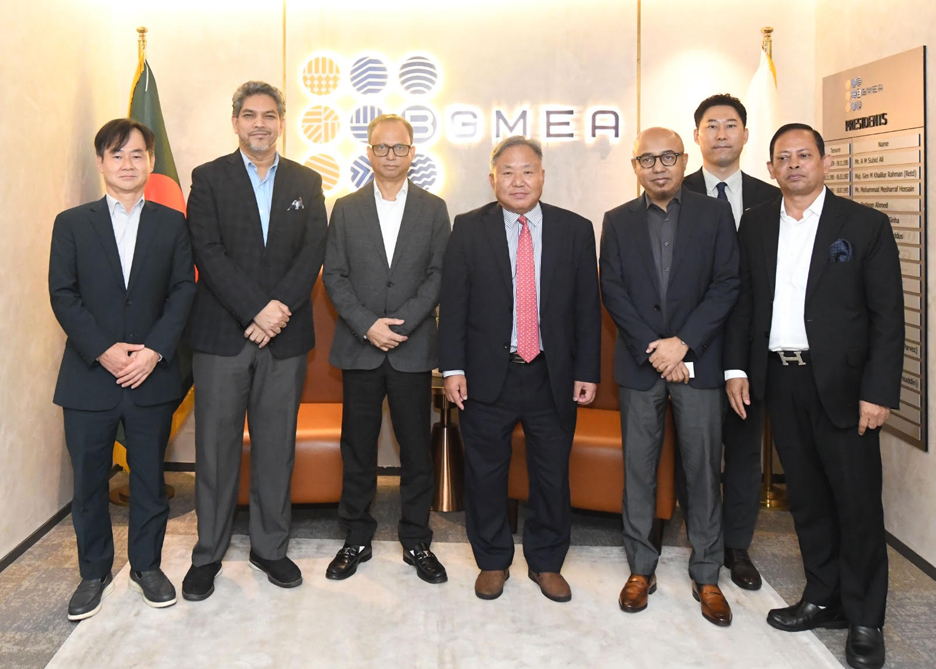
South Korean ambassador Park Young-sik on Monday emphasised the need to further align Bangladesh’s Export Processing Zones (EPZ) Act 2019 with its Labour Act 2006 in order to create a more favourable environment for foreign investors.
Highlighting the importance of improving labour productivity, he also stressed enhancing the operational efficiency of Chattogram port, describing it as key to facilitating smoother trade operations.
The ambassador made these remarks during a courtesy call with Bangladesh Garment Manufacturers and Exporters Association (BGMEA) president Mahmud Hasan Khan at the latter’s office in Uttara, Dhaka.
According to a statement, the meeting focused on exploring ways to strengthen bilateral trade and investment ties between Bangladesh and South Korea.
Both sides discussed potential areas of collaboration, with particular emphasis on the textile and garment sectors.
BGMEA vice president Md Shehab Udduza Chowdhury, director Faisal Samad, and member Israfil Atique were present, while the ambassador was accompanied by Kim Jeong Ki, Consul at the Korean Embassy in Dhaka, and Noh Chy Woo, Country Head of the Spandex Performance Unit and Spandex Plant at Hyosung TNC Corporation (Bangladesh Liaison Office).
During the meeting, BGMEA president highlighted Bangladesh’s growing potential as a destination for South Korean exports of man-made fibres, textile machinery, chemical dyes, and other raw materials.
He added that South Korea represents a promising market for Bangladeshi apparel exports, offering significant opportunities for mutually beneficial trade, and appreciated South Korea’s historical support in the development of Bangladesh’s garment industry—particularly in technical assistance and workforce training during the industry’s early years.
Mahmud Hasan sought the ambassador’s support in expanding Bangladesh’s apparel exports to South Korea and attracting Korean investment in non-textile sectors within Bangladesh.
The BGMEA chief also emphasised the need for improved market intelligence sharing and stronger business-to-business connections between Korean and Bangladeshi enterprises to deepen economic cooperation.
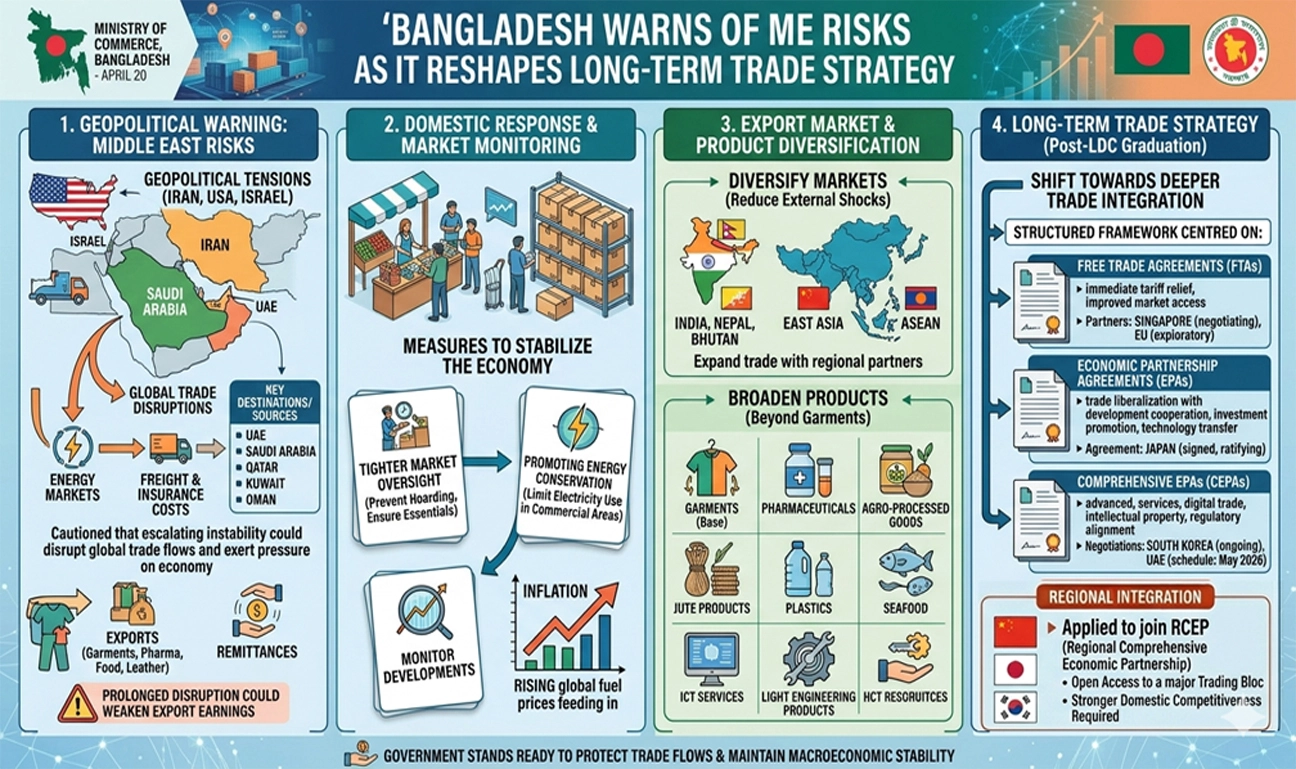
Both parties expressed optimism that the signing of a Free Trade Agreement (FTA) or an Economic Partnership Agreement (EPA) between Bangladesh and South Korea would significantly benefit both countries by fostering deeper economic integration.