7:35 pm, Saturday, 8 November 2025

Bangladesh could see lower US tariffs with shrinking trade deficit

  • Bizbd Report
  • Update Time : 09:34:04 pm, Sunday, 14 September 2025
  • 253

The United States has assured that it may reduce the imposed 20 per cent tariffs on Bangladeshi products if the country continues to narrow its trade deficit, commerce adviser Sk Bashir Uddin said on Sunday.

In the context of a gradual decrease in the trade gap, Bangladesh has requested the US Trade Representative (USTR) to further reduce reciprocal tariffs, the adviser added.

‘They (US side) have assured that if the trade gap continues to shrink, then there is a possibility of further tariff cuts,’ he said.

Bashir Uddin made the remarks toreporters after a meeting with a delegation of the USTR, led by Brendan Lynch, Assistant US Trade Representative for South and Central Asia, at the secretariat in Dhaka.

A three-member delegation from the USTR arrived in Bangladesh on Sunday for a two-day visit to follow up on previous discussions in the US and to review the draft trade agreement with Bangladesh.

Earlier, on July 31, the US decided to reduce the reciprocal tariff on imported goods from Bangladesh to 20 per cent from the previously announced 35 per cent after a series of month-long negotiations.

Commerce ministry officials said that a draft trade agreement has already been prepared following discussions with the USTR and will be finalised with necessary amendments if progress is made during ongoing negotiations.

Responding to questions, Sk Bashir Uddin said that a trade agreement between Bangladesh and the US might be signed this month, as the issue was widely discussed at the meeting.

Commerce secretary Mahbubur Rahman stated that the trade deficit between Bangladesh and the US amounts to around $6 billion. To reduce this gap, Bangladesh had previously committed to increasing purchases of soybeans from the US.

‘If we can further reduce the trade gap with the US while keeping our exports intact, then we can avail some extra facilities,’ he said, adding that besides product standards, there is a need to ensure supply.

Bashir Uddin said Bangladesh is working to reduce the existing trade gap through importing energy and agricultural products from the US at cost-efficient prices compared to the international market.

He also noted that Bangladesh is seeking additional facilities in the readymade garment sector, and progress is expected based on the meeting.

On US cotton, the commerce adviser said Bangladesh produces only 2 per cent of its overall cotton demand locally, with the remaining 98 per cent imported. He highlighted that US wheat has a higher protein content compared to Russian wheat, and that there are different price tiers for wheat from Russia, Canada, Australia, the US, and Argentina.

Regarding procurement of aircraft, he said delivery schedules for both Boeing and Airbus are very long, with no fresh orders expected to be fulfilled before 2032.

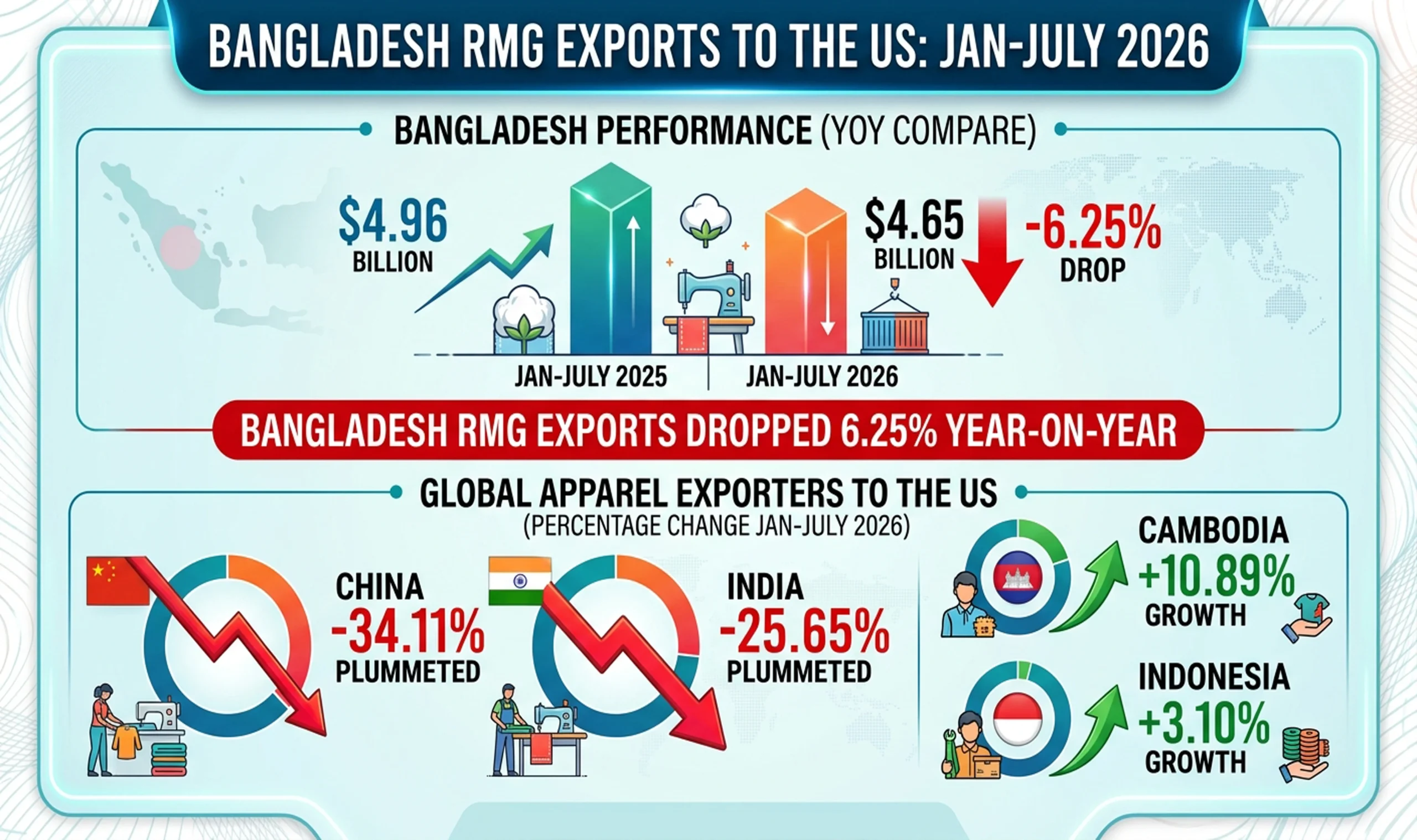
Bashir Uddin said that if Bangladesh significantly reduces its trade gap and gains preferential access to the US market, its exports to the US are likely to increase alongside imports.

Bangladesh is targeting higher imports of US liquefied natural gas, wheat, soybeans, and cotton to reduce the trade gap under the current US administration.
Bangladesh could see lower US tariffs with shrinking trade deficit

Update Time : 09:34:04 pm, Sunday, 14 September 2025

The United States has assured that it may reduce the imposed 20 per cent tariffs on Bangladeshi products if the country continues to narrow its trade deficit, commerce adviser Sk Bashir Uddin said on Sunday.

In the context of a gradual decrease in the trade gap, Bangladesh has requested the US Trade Representative (USTR) to further reduce reciprocal tariffs, the adviser added.

‘They (US side) have assured that if the trade gap continues to shrink, then there is a possibility of further tariff cuts,’ he said.

Bashir Uddin made the remarks toreporters after a meeting with a delegation of the USTR, led by Brendan Lynch, Assistant US Trade Representative for South and Central Asia, at the secretariat in Dhaka.

A three-member delegation from the USTR arrived in Bangladesh on Sunday for a two-day visit to follow up on previous discussions in the US and to review the draft trade agreement with Bangladesh.

Earlier, on July 31, the US decided to reduce the reciprocal tariff on imported goods from Bangladesh to 20 per cent from the previously announced 35 per cent after a series of month-long negotiations.

Commerce ministry officials said that a draft trade agreement has already been prepared following discussions with the USTR and will be finalised with necessary amendments if progress is made during ongoing negotiations.

Responding to questions, Sk Bashir Uddin said that a trade agreement between Bangladesh and the US might be signed this month, as the issue was widely discussed at the meeting.

Commerce secretary Mahbubur Rahman stated that the trade deficit between Bangladesh and the US amounts to around $6 billion. To reduce this gap, Bangladesh had previously committed to increasing purchases of soybeans from the US.

‘If we can further reduce the trade gap with the US while keeping our exports intact, then we can avail some extra facilities,’ he said, adding that besides product standards, there is a need to ensure supply.

Bashir Uddin said Bangladesh is working to reduce the existing trade gap through importing energy and agricultural products from the US at cost-efficient prices compared to the international market.

He also noted that Bangladesh is seeking additional facilities in the readymade garment sector, and progress is expected based on the meeting.

On US cotton, the commerce adviser said Bangladesh produces only 2 per cent of its overall cotton demand locally, with the remaining 98 per cent imported. He highlighted that US wheat has a higher protein content compared to Russian wheat, and that there are different price tiers for wheat from Russia, Canada, Australia, the US, and Argentina.

Regarding procurement of aircraft, he said delivery schedules for both Boeing and Airbus are very long, with no fresh orders expected to be fulfilled before 2032.

Bashir Uddin said that if Bangladesh significantly reduces its trade gap and gains preferential access to the US market, its exports to the US are likely to increase alongside imports.

Bangladesh is targeting higher imports of US liquefied natural gas, wheat, soybeans, and cotton to reduce the trade gap under the current US administration.