Bizbd Report
A new global programme, the Apparel and Textile Transformation Initiative (ATTI), was launched in London on June 26, aiming to drive environmental sustainability across the global apparel supply chain, with Bangladesh and Turkey selected as pilot countries.
The manufacturer-led initiative was officially introduced during a panel event at London Climate Action Week.
Jointly spearheaded by the International Apparel Federation (IAF) and the International Textile Manufacturers Federation (ITMF), ATTI seeks to place manufacturers at the heart of industry-wide efforts to achieve measurable environmental transformation.
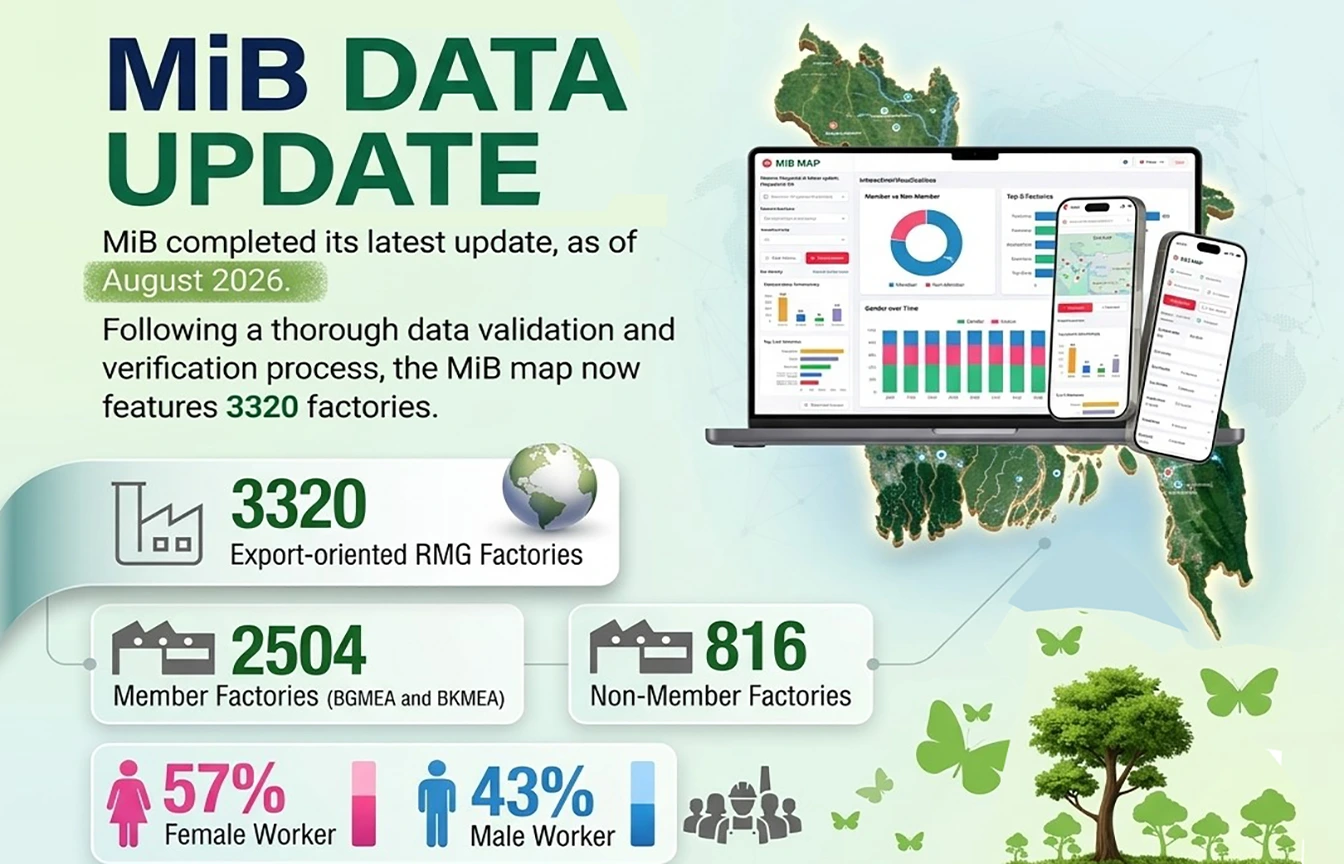
Bitopi Group Managing Director of and former Vice President of the Bangladesh Garment Manufacturers and Exporters Association (BGMEA), Miran Ali, confirmed that both BGMEA and the Bangladesh Knitwear Manufacturers and Exporters Association (BKMEA) have joined the initiative.
Miran will serve as a coordinator between the IAF, global apparel brands, and local trade bodies in Bangladesh.
He said that the initiative aimed to bring brands and suppliers together under a single platform to prevent duplication in environmental strategies and requirements, which were often confusing and impractical for factories handling multiple buyers.
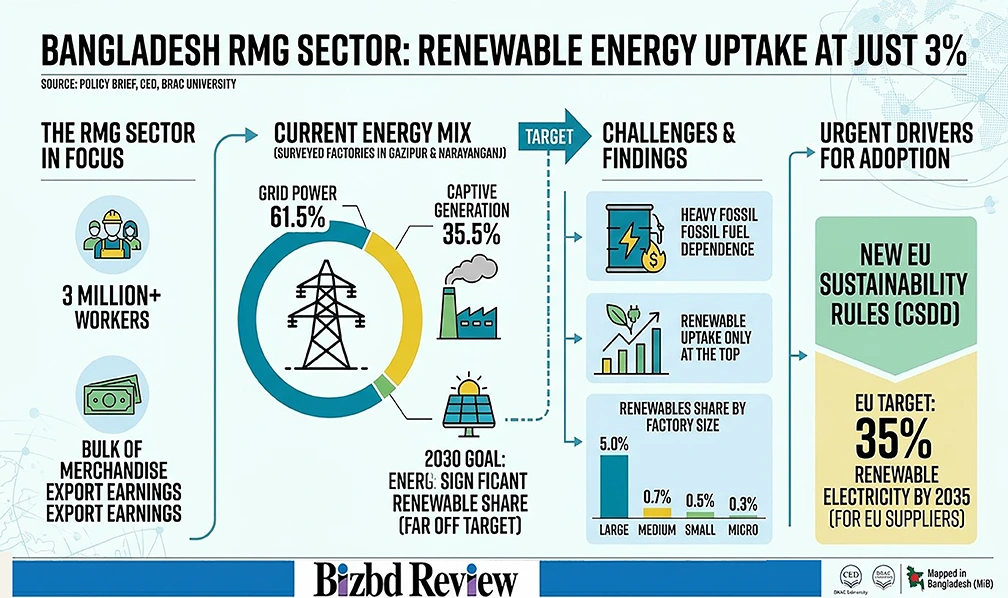
Miran explained that every buyer was now demanding challenging renewable energy and sustainability targets, and it was not feasible for a factory working with several buyers to manage 10 to 12 separate environmental strategies.
He also highlighted the issue of repetitive social audits conducted by the same auditors for different brands, often using identical data.
He said that this redundancy wasted time, increased operational costs, and disrupted production processes.
Miran added that they wanted to avoid audit fatigue while focusing on genuine environmental improvements.
In a statement, IAF Secretary General Matthijs Crietee said that the launch of ATTI marked a new era in efforts to transform the industry, emphasising that manufacturers were not merely participants but leaders in developing the practical solutions urgently needed by the sector.
The initiative introduces a globally governed yet locally led structure through the creation of ATTI Country Chapters.
National industry associations will lead efforts to create transformation plans tailored to their local context, supported by international stakeholders including brands, financial institutions, policymakers, and civil society.
According to the organisers, ATTI adopts an open, holistic approach that complements existing sustainability programmes.
It will address a range of environmental challenges, including emissions, water usage, wastewater discharge, chemical use, and waste management.
Christian Schindler, Director General of ITMF, said ATTI’s scope covers three key phases: a comprehensive Needs Assessment to identify local gaps and priorities; a collaborative design phase involving stakeholders such as manufacturers, brands, and governments; and a structured implementation phase that could include investment mobilisation, technical assistance, clean technology deployment, and supportive policy frameworks.
Pilot programmes are already underway in Bangladesh and Turkey. In Turkey, a meeting held last week in Istanbul brought together manufacturers, global brands, and government stakeholders to review the initial needs assessment and identify priority areas for joint action, such as access to finance, regulatory improvements, and technology upgrades.