2:05 pm, Friday, 13 March 2026
20 YEARS OF MLC

ILO, IMO urge recognition of seafarers as key workers

  • Bizbd Report
  • Update Time : 11:10:27 pm, Thursday, 26 February 2026
  • 38

Marking two decades of the Maritime Labour Convention, 2006, the International Labour Organization and the International Maritime Organization have urged governments to grant seafarers global recognition as key workers and to strengthen the implementation of maritime labour protections.

The two bodies have reaffirmed commitment to advancing decent work at sea with a renewed pledge to uphold seafarers’ rights and strengthen global labour standards in shipping.

The two UN bodies described the convention as a landmark accord that has strengthened seafarers’ rights, enhanced onboard living and working standards, and supported fair competition across the global shipping industry.

Adopted on February 23, 2006 at the International Maritime Labour Conference, the convention emerged from an unprecedented tripartite agreement between governments, shipowners and seafarers.

The accord established a comprehensive regulatory framework for one of the world’s most globalised industries, setting out enforceable minimum standards governing employment conditions at sea.

Over the past two decades, the MLC has introduced clear benchmarks covering wages, hours of work and rest, accommodation, health protection, medical care, welfare, repatriation and social security.

Backed by compliance and enforcement measures, including flag and port state control, the Convention has advanced the principle of decent work for millions serving aboard merchant vessels.

By curbing substandard labour practices, the treaty has also reduced unfair competition, supporting responsible shipowners and contributing to safer, more efficient maritime transport.

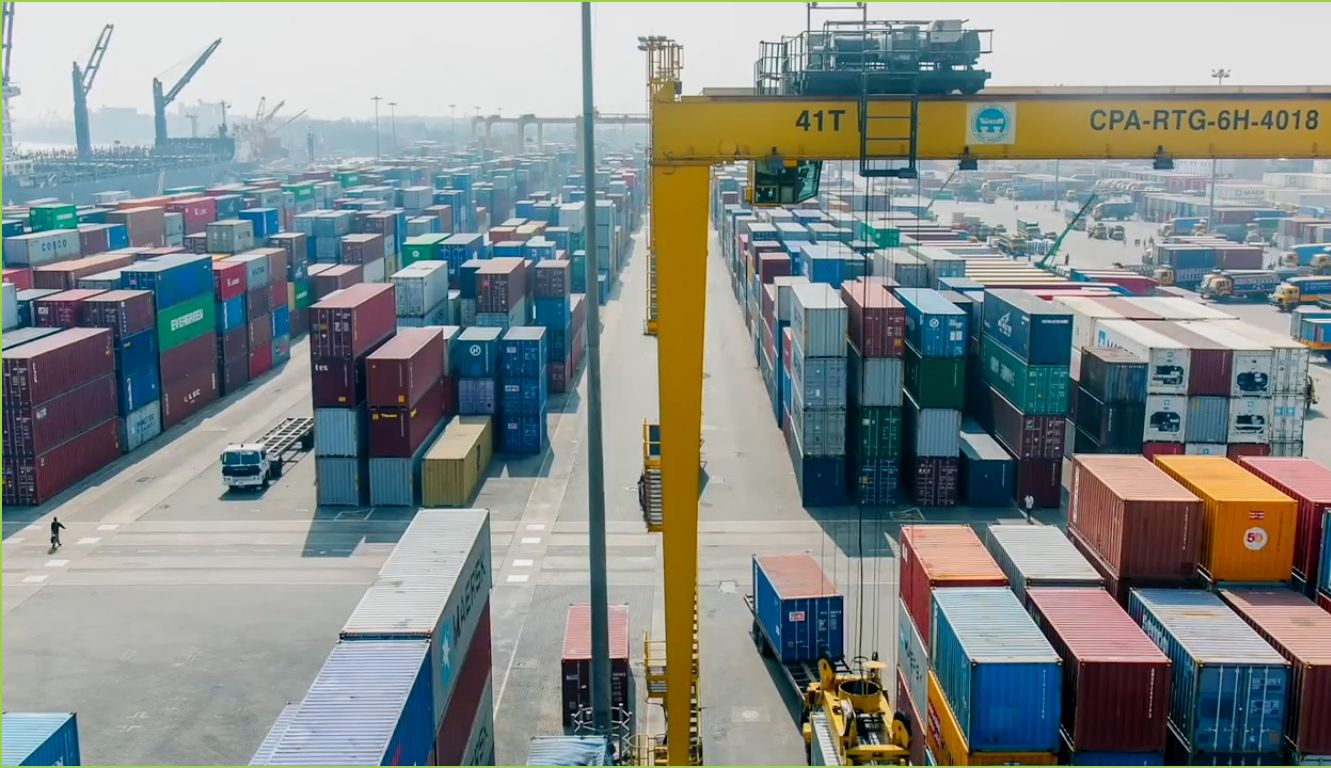
Shipping remains a cornerstone of global trade, responsible for moving the vast majority of the world’s goods.

The Covid-19 pandemic underscored the strategic importance of seafarers, who maintained supply chains during widespread border closures and restrictions.

The crisis exposed vulnerabilities within the sector, including crew change difficulties and restricted shore leave, and reinforced the need for robust implementation of the Convention’s protections.

Despite progress, serious concerns persist. Seafarers continue to face abandonment, criminalisation, unpaid wages, fatigue and, in some regions, security threats to vessels.

However, the MLC was conceived as a dynamic instrument, capable of responding to emerging and enduring challenges through structured social dialogue.

The convention is kept under review by its Special Tripartite Committee, which has adopted a series of amendments over the years. These revisions have strengthened financial security provisions, expanded protections in cases of abandonment, addressed violence and harassment on board, and introduced safeguards in response to pandemic-related disruptions.

In a joint statement marking the anniversary, the ILO joined the International Chamber of Shipping and the International Transport Workers’ Federation in reaffirming their shared commitment to the Convention’s principles.

The statement noted that the MLC consolidated and modernised around 70 existing maritime labour instruments into a single, coherent framework. It described the treaty as both ambitious in scope and practical in application, reflecting the balance achieved through sustained cooperation among governments, employers and workers.

The organisations highlighted that amendments over the past decade have enhanced seafarers’ financial protections and reinforced mechanisms to address abandonment and criminal proceedings.

Additional measures were introduced to tackle violence and harassment at sea and to safeguard crews during global health emergencies.

Amid geopolitical tensions and the accelerating transition towards greener shipping, the signatories stressed the importance of maintaining strong labour standards as the industry adapts to new operational and environmental demands.

On the 20th anniversary, the ILO and IMO called on all states and industry stakeholders to uphold the convention’s standards, strengthen compliance and ensure that seafarers are recognised as key workers.

The organizations said safeguarding the rights and welfare of those at sea remains essential to the stability, resilience and sustainability of global trade.
20 YEARS OF MLC

ILO, IMO urge recognition of seafarers as key workers

Update Time : 11:10:27 pm, Thursday, 26 February 2026

Marking two decades of the Maritime Labour Convention, 2006, the International Labour Organization and the International Maritime Organization have urged governments to grant seafarers global recognition as key workers and to strengthen the implementation of maritime labour protections.

The two bodies have reaffirmed commitment to advancing decent work at sea with a renewed pledge to uphold seafarers’ rights and strengthen global labour standards in shipping.

The two UN bodies described the convention as a landmark accord that has strengthened seafarers’ rights, enhanced onboard living and working standards, and supported fair competition across the global shipping industry.

Adopted on February 23, 2006 at the International Maritime Labour Conference, the convention emerged from an unprecedented tripartite agreement between governments, shipowners and seafarers.

The accord established a comprehensive regulatory framework for one of the world’s most globalised industries, setting out enforceable minimum standards governing employment conditions at sea.

Over the past two decades, the MLC has introduced clear benchmarks covering wages, hours of work and rest, accommodation, health protection, medical care, welfare, repatriation and social security.

Backed by compliance and enforcement measures, including flag and port state control, the Convention has advanced the principle of decent work for millions serving aboard merchant vessels.

By curbing substandard labour practices, the treaty has also reduced unfair competition, supporting responsible shipowners and contributing to safer, more efficient maritime transport.

Shipping remains a cornerstone of global trade, responsible for moving the vast majority of the world’s goods.

The Covid-19 pandemic underscored the strategic importance of seafarers, who maintained supply chains during widespread border closures and restrictions.

The crisis exposed vulnerabilities within the sector, including crew change difficulties and restricted shore leave, and reinforced the need for robust implementation of the Convention’s protections.

Despite progress, serious concerns persist. Seafarers continue to face abandonment, criminalisation, unpaid wages, fatigue and, in some regions, security threats to vessels.

However, the MLC was conceived as a dynamic instrument, capable of responding to emerging and enduring challenges through structured social dialogue.

The convention is kept under review by its Special Tripartite Committee, which has adopted a series of amendments over the years. These revisions have strengthened financial security provisions, expanded protections in cases of abandonment, addressed violence and harassment on board, and introduced safeguards in response to pandemic-related disruptions.

In a joint statement marking the anniversary, the ILO joined the International Chamber of Shipping and the International Transport Workers’ Federation in reaffirming their shared commitment to the Convention’s principles.

The statement noted that the MLC consolidated and modernised around 70 existing maritime labour instruments into a single, coherent framework. It described the treaty as both ambitious in scope and practical in application, reflecting the balance achieved through sustained cooperation among governments, employers and workers.

The organisations highlighted that amendments over the past decade have enhanced seafarers’ financial protections and reinforced mechanisms to address abandonment and criminal proceedings.

Additional measures were introduced to tackle violence and harassment at sea and to safeguard crews during global health emergencies.

Amid geopolitical tensions and the accelerating transition towards greener shipping, the signatories stressed the importance of maintaining strong labour standards as the industry adapts to new operational and environmental demands.

On the 20th anniversary, the ILO and IMO called on all states and industry stakeholders to uphold the convention’s standards, strengthen compliance and ensure that seafarers are recognised as key workers.

The organizations said safeguarding the rights and welfare of those at sea remains essential to the stability, resilience and sustainability of global trade.