10:48 pm, Friday, 12 December 2025

Bangladeshi RMG exports to face 36.5% tariff in US: BGMEA

Bangladeshi exports of readymade garments (RMG) to the United States will now face a combined tariff of 36.5 per cent, comprising a newly imposed 20 per cent reciprocal duty in addition to the existing 16.5 per cent under the Most Favoured Nation (MFN) system.

However, duty exemptions may apply if the garments are produced using at least 20 per cent American raw materials, according to the Bangladesh Garment Manufacturers and Exporters Association (BGMEA).

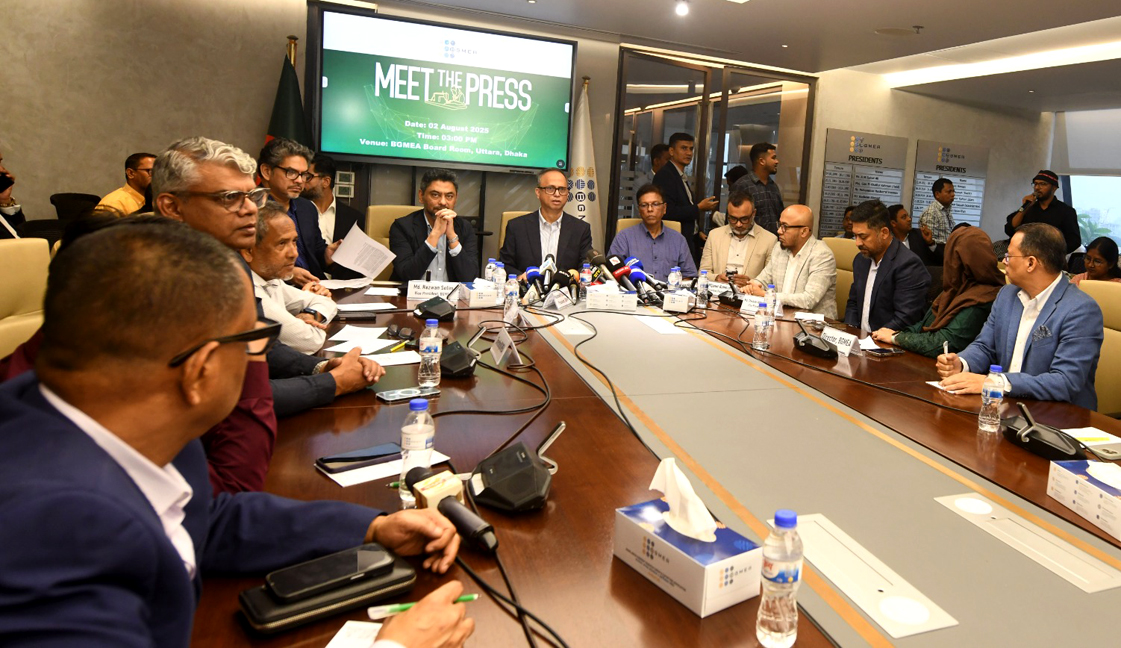
Speaking at a press conference on Saturday at the BGMEA Complex in Uttara, Dhaka, BGMEA President Mahmud Hasan Khan urged the interim government to continue its trade negotiations with the United States.

He said that several countries remain engaged in talks with the Trump administration, which could lead to even lower reciprocal tariffs for them.

‘There is no room for complacency. The latest US executive order clearly states that trade or security negotiations with some countries are still ongoing,’ BGMEA president said, warning that such deals, once concluded, could further reduce tariffs for those nations.

‘Bangladesh needs to remain active in these negotiations,’ he said.

Commending the leadership of the interim government—particularly the commerce and security advisers—Mr Khan credited their collective efforts with helping Bangladesh avert a potential crisis.

Explaining the changes, BGMEA president said that Bangladeshi RMG items previously faced a 16.5 per cent tariff under the MFN regime. The new 20 per cent reciprocal duty brings the total rate to 36.5 per cent, although the impact will vary by product category.

He also thanked the US government for adopting a more balanced tariff structure, following months of uncertainty.

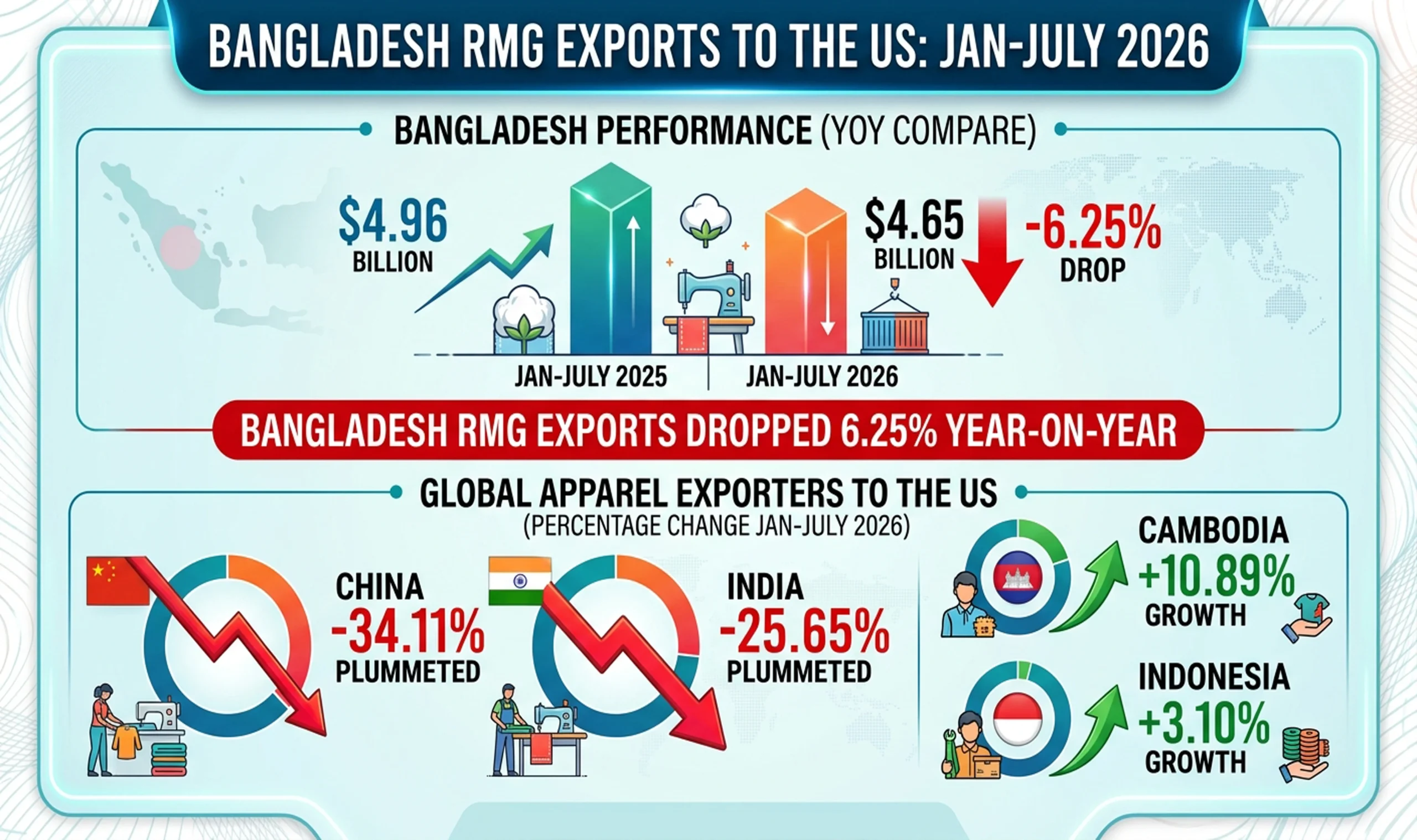
The additional duty has been reduced from 35 per cent to 20 per cent, placing Bangladesh in a relatively favourable position compared to competitors such as China, which faces a 30 per cent tariff, and India, which faces 25 per cent.

Referring to the US executive order, Mr Khan pointed out that garments containing at least 20 per cent US raw materials—such as American cotton—will be exempt from the additional 20 per cent duty on that portion of the value.

‘If we use American raw materials, we will get some additional tariff relief,’ he said, noting that around 75 per cent of Bangladesh’s apparel exports to the US are cotton-based.

Despite the tariff relief for certain products, the BGMEA president expressed concern about the broader impact of the 20 per cent duty on production costs.

He called on the government to support the RMG sector, particularly small and medium-sized factories that are already under pressure from rising operational costs.

He reiterated the need for enhanced efficiency at Chattogram Port, uninterrupted energy supplies, and a more supportive customs regime to help the sector stay competitive.

In response to a question, BGMEA president acknowledged that the exact conditions for the duty exemption were still unclear.

‘We hope the government will be careful about implementing the agreements made with the United States,’ he said.
Bangladeshi RMG exports to face 36.5% tariff in US: BGMEA

Update Time : 09:19:28 pm, Saturday, 2 August 2025

Bangladeshi exports of readymade garments (RMG) to the United States will now face a combined tariff of 36.5 per cent, comprising a newly imposed 20 per cent reciprocal duty in addition to the existing 16.5 per cent under the Most Favoured Nation (MFN) system.

However, duty exemptions may apply if the garments are produced using at least 20 per cent American raw materials, according to the Bangladesh Garment Manufacturers and Exporters Association (BGMEA).

Speaking at a press conference on Saturday at the BGMEA Complex in Uttara, Dhaka, BGMEA President Mahmud Hasan Khan urged the interim government to continue its trade negotiations with the United States.

He said that several countries remain engaged in talks with the Trump administration, which could lead to even lower reciprocal tariffs for them.

‘There is no room for complacency. The latest US executive order clearly states that trade or security negotiations with some countries are still ongoing,’ BGMEA president said, warning that such deals, once concluded, could further reduce tariffs for those nations.

‘Bangladesh needs to remain active in these negotiations,’ he said.

Commending the leadership of the interim government—particularly the commerce and security advisers—Mr Khan credited their collective efforts with helping Bangladesh avert a potential crisis.

Explaining the changes, BGMEA president said that Bangladeshi RMG items previously faced a 16.5 per cent tariff under the MFN regime. The new 20 per cent reciprocal duty brings the total rate to 36.5 per cent, although the impact will vary by product category.

He also thanked the US government for adopting a more balanced tariff structure, following months of uncertainty.

The additional duty has been reduced from 35 per cent to 20 per cent, placing Bangladesh in a relatively favourable position compared to competitors such as China, which faces a 30 per cent tariff, and India, which faces 25 per cent.

Referring to the US executive order, Mr Khan pointed out that garments containing at least 20 per cent US raw materials—such as American cotton—will be exempt from the additional 20 per cent duty on that portion of the value.

‘If we use American raw materials, we will get some additional tariff relief,’ he said, noting that around 75 per cent of Bangladesh’s apparel exports to the US are cotton-based.

Despite the tariff relief for certain products, the BGMEA president expressed concern about the broader impact of the 20 per cent duty on production costs.

He called on the government to support the RMG sector, particularly small and medium-sized factories that are already under pressure from rising operational costs.

He reiterated the need for enhanced efficiency at Chattogram Port, uninterrupted energy supplies, and a more supportive customs regime to help the sector stay competitive.

In response to a question, BGMEA president acknowledged that the exact conditions for the duty exemption were still unclear.

‘We hope the government will be careful about implementing the agreements made with the United States,’ he said.