11:04 am, Saturday, 16 May 2026
WHO-WMO REPORT

Agriculture, construction, fishing workers most vulnerable to heat stress

  • Bizbd Report
  • Update Time : 10:30:23 pm, Saturday, 30 August 2025
  • 702

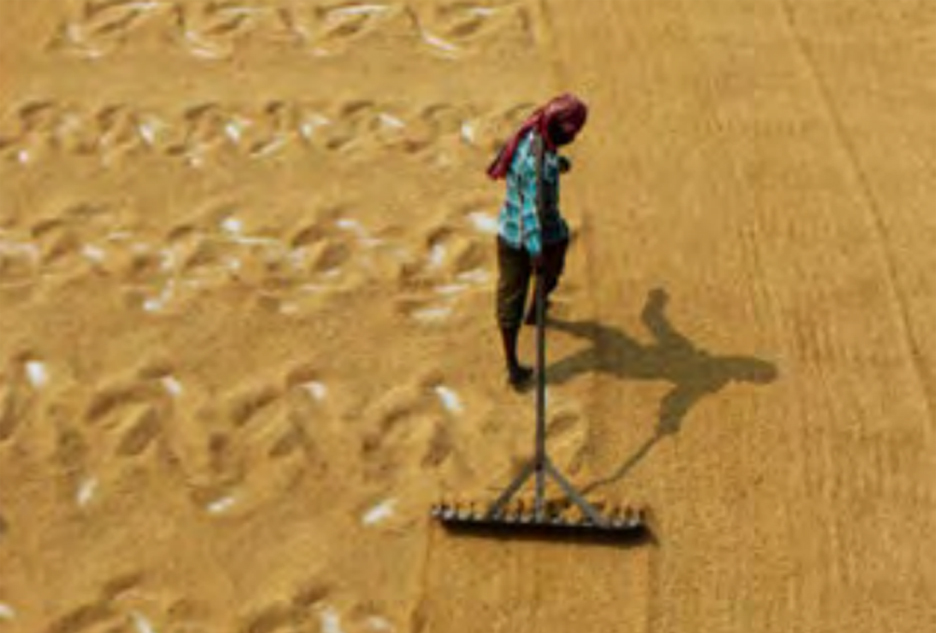
Workers in agriculture, construction, and fishing are among the most vulnerable to the effects of climate change and workplace heat stress, according to a new report examining the health and socioeconomic risks faced by manual labourers.

These sectors, heavily reliant on physical work, are particularly exposed to extreme heat, placing millions at risk of illness, reduced productivity, and even death, according to a technical report by the World Health Organization (WHO) and the World Meteorological Organization (WMO).

The report identified outdoor construction and agricultural work as some of the highest-risk occupations for heat-related morbidity and mortality during hot seasons, while also noting that fishing, similarly dependent on manual labour, was highly susceptible to rising temperatures.

It explained that the physically demanding nature of these jobs contributed significantly to the risk, with tasks classified as “heavy” or “very heavy”—including material handling, pick-and-shovel work, and fast-paced outdoor labour—requiring sustained metabolic output that increased heat strain on the body.

The report also pointed out that direct exposure to solar radiation further compounded the problem. Workers in construction and agriculture often operated under full sun, which could raise the Wet-bulb Globe Temperature (WBGT) by two to three degrees Celsius compared with shaded environments.

It noted that many current models for assessing workplace heat stress failed to account for solar infrared radiation, potentially underestimating the risks for outdoor workers.

The report highlighted that the urban heat island effect in construction could exacerbate the problem, as nighttime temperatures remained elevated due to heat retained in urban infrastructure, even when shifts were scheduled during cooler hours.

Protective clothing was cited as an additional risk factor. The report observed that farmers engaged in manual tasks, such as pesticide spraying, often experienced heat exhaustion because respirators and other protective gear limited heat dissipation.

It also noted that migrant workers, particularly in agriculture and construction, faced higher exposure due to lower work experience, limited acclimatisation to local climates, and engagement in more physically intense outdoor tasks.

The report referenced a study in Cyprus which found that migrant farm workers experienced higher levels of heat stress, taking fewer unplanned breaks, working at higher intensity, and wearing more clothing compared with local workers.

The report highlighted that self-employed and informal workers, who constitute a significant portion of the workforce in agriculture, construction, and fishing, posed additional challenges for intervention.

It stressed that Occupational Heat Action Programmes (OHAPs) needed to be specifically designed to address the unique requirements of these groups, ensuring protection regardless of employment status.

Regarding health consequences, the report indicated that prolonged heat exposure had severe effects.

It noted that cases of heat exhaustion and fatal heatstroke among agricultural and construction workers were well documented, particularly in the United States.

It further explained that beyond immediate health impacts, workplace heat stress contributed to worsening poverty and socioeconomic inequality, affecting individual livelihoods, family income, and broader economic stability in regions heavily dependent on manual labour.

The report emphasised the importance of tailored prevention and mitigation strategies. It explained that OHAPs should optimise work capabilities while reducing morbidity and mortality risks, incorporating measures such as adequate hydration, access to clean water, and education on electrolyte intake.

The report also highlighted that the provision of toilet facilities was critical, as inadequate access could deter workers from staying properly hydrated.

It underlined that effective mitigation required collective action. It stated that public investment and consensus among stakeholders were necessary to implement affordable, evidence-based interventions.

Collaboration among employers, trade unions, local authorities, and health experts was deemed essential to create effective and sustainable strategies, particularly for workers performing hard manual labour under extreme conditions.
WHO-WMO REPORT

Agriculture, construction, fishing workers most vulnerable to heat stress

Update Time : 10:30:23 pm, Saturday, 30 August 2025

Workers in agriculture, construction, and fishing are among the most vulnerable to the effects of climate change and workplace heat stress, according to a new report examining the health and socioeconomic risks faced by manual labourers.

These sectors, heavily reliant on physical work, are particularly exposed to extreme heat, placing millions at risk of illness, reduced productivity, and even death, according to a technical report by the World Health Organization (WHO) and the World Meteorological Organization (WMO).

The report identified outdoor construction and agricultural work as some of the highest-risk occupations for heat-related morbidity and mortality during hot seasons, while also noting that fishing, similarly dependent on manual labour, was highly susceptible to rising temperatures.

It explained that the physically demanding nature of these jobs contributed significantly to the risk, with tasks classified as “heavy” or “very heavy”—including material handling, pick-and-shovel work, and fast-paced outdoor labour—requiring sustained metabolic output that increased heat strain on the body.

The report also pointed out that direct exposure to solar radiation further compounded the problem. Workers in construction and agriculture often operated under full sun, which could raise the Wet-bulb Globe Temperature (WBGT) by two to three degrees Celsius compared with shaded environments.

It noted that many current models for assessing workplace heat stress failed to account for solar infrared radiation, potentially underestimating the risks for outdoor workers.

The report highlighted that the urban heat island effect in construction could exacerbate the problem, as nighttime temperatures remained elevated due to heat retained in urban infrastructure, even when shifts were scheduled during cooler hours.

Protective clothing was cited as an additional risk factor. The report observed that farmers engaged in manual tasks, such as pesticide spraying, often experienced heat exhaustion because respirators and other protective gear limited heat dissipation.

It also noted that migrant workers, particularly in agriculture and construction, faced higher exposure due to lower work experience, limited acclimatisation to local climates, and engagement in more physically intense outdoor tasks.

The report referenced a study in Cyprus which found that migrant farm workers experienced higher levels of heat stress, taking fewer unplanned breaks, working at higher intensity, and wearing more clothing compared with local workers.

The report highlighted that self-employed and informal workers, who constitute a significant portion of the workforce in agriculture, construction, and fishing, posed additional challenges for intervention.

It stressed that Occupational Heat Action Programmes (OHAPs) needed to be specifically designed to address the unique requirements of these groups, ensuring protection regardless of employment status.

Regarding health consequences, the report indicated that prolonged heat exposure had severe effects.

It noted that cases of heat exhaustion and fatal heatstroke among agricultural and construction workers were well documented, particularly in the United States.

It further explained that beyond immediate health impacts, workplace heat stress contributed to worsening poverty and socioeconomic inequality, affecting individual livelihoods, family income, and broader economic stability in regions heavily dependent on manual labour.

The report emphasised the importance of tailored prevention and mitigation strategies. It explained that OHAPs should optimise work capabilities while reducing morbidity and mortality risks, incorporating measures such as adequate hydration, access to clean water, and education on electrolyte intake.

The report also highlighted that the provision of toilet facilities was critical, as inadequate access could deter workers from staying properly hydrated.

It underlined that effective mitigation required collective action. It stated that public investment and consensus among stakeholders were necessary to implement affordable, evidence-based interventions.

Collaboration among employers, trade unions, local authorities, and health experts was deemed essential to create effective and sustainable strategies, particularly for workers performing hard manual labour under extreme conditions.