Bizbd Report
Almost all readymade garment (RMG) factories in Bangladesh have paid February wages and Eid-ul-Fitr festival allowances to workers, with only a handful of payments still in process, industry leaders said on Wednesday.
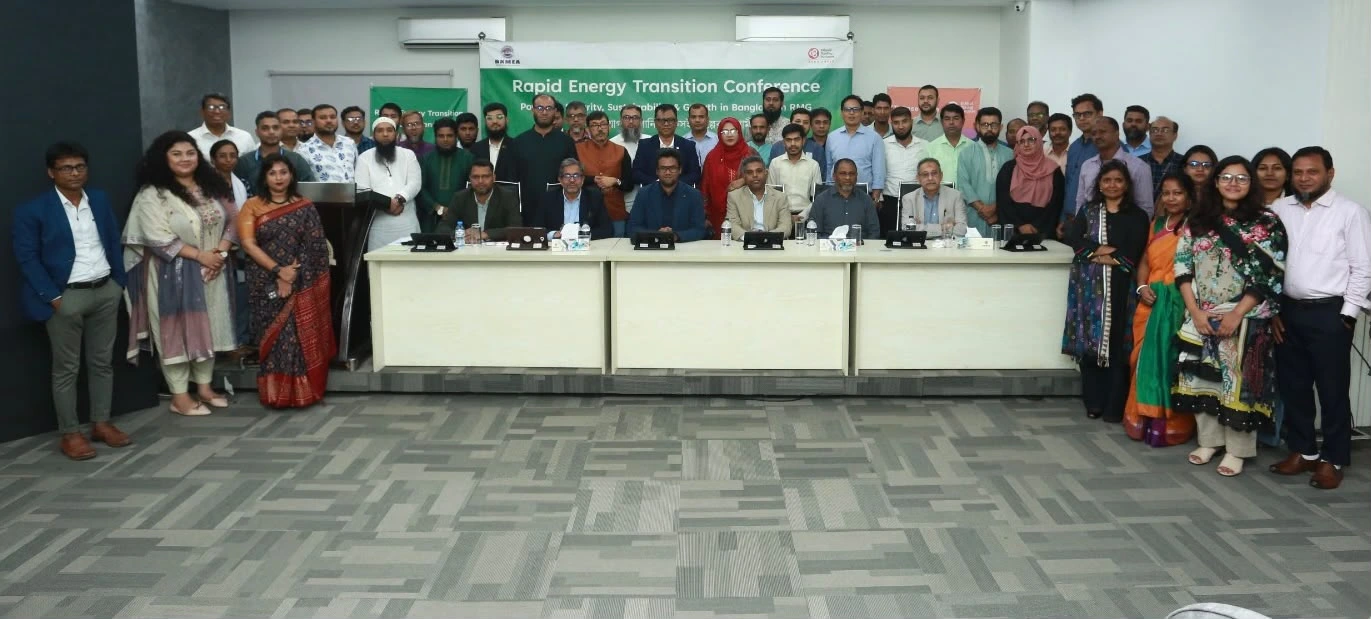
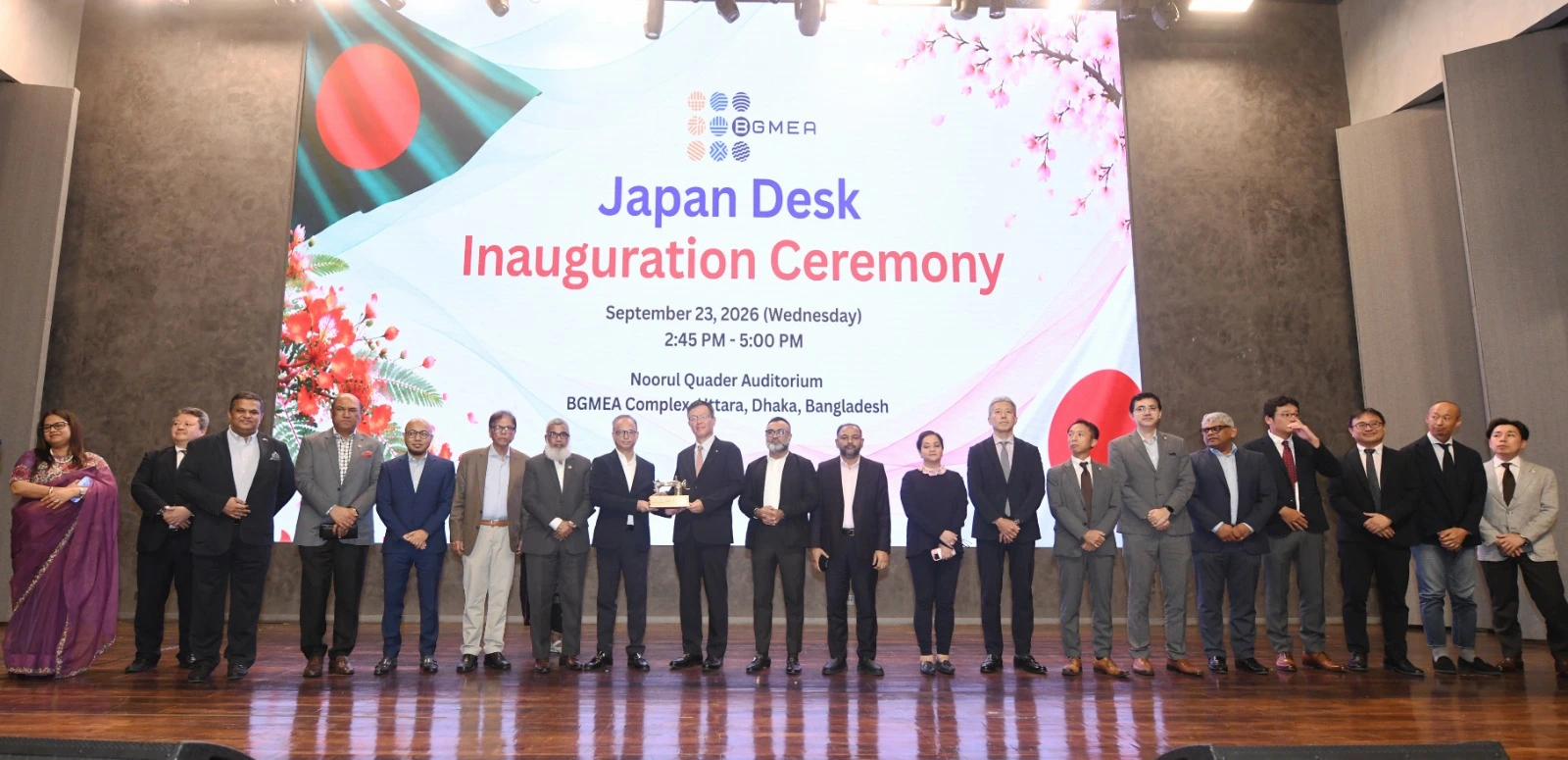
At a press briefing held at the BGMEA complex in Uttara, Bangladesh Garment Manufacturers and Exporters Association (BGMEA) President Mahmud Hasan Khan said 99.91 per cent of factories had cleared February wages, while the remaining two units were in the process of disbursing payments.
Eid bonuses had been paid by 99.81 per cent of factories, with four factories yet to complete the process.
Despite no legal obligation, around 64.03 per cent of factories have also advanced partial wages for March, he said.
BGMEA president said the near-complete payment compliance had brought relief to workers ahead of the Eid festival, noting that entrepreneurs had prioritised wage and allowance payments despite mounting financial pressures.
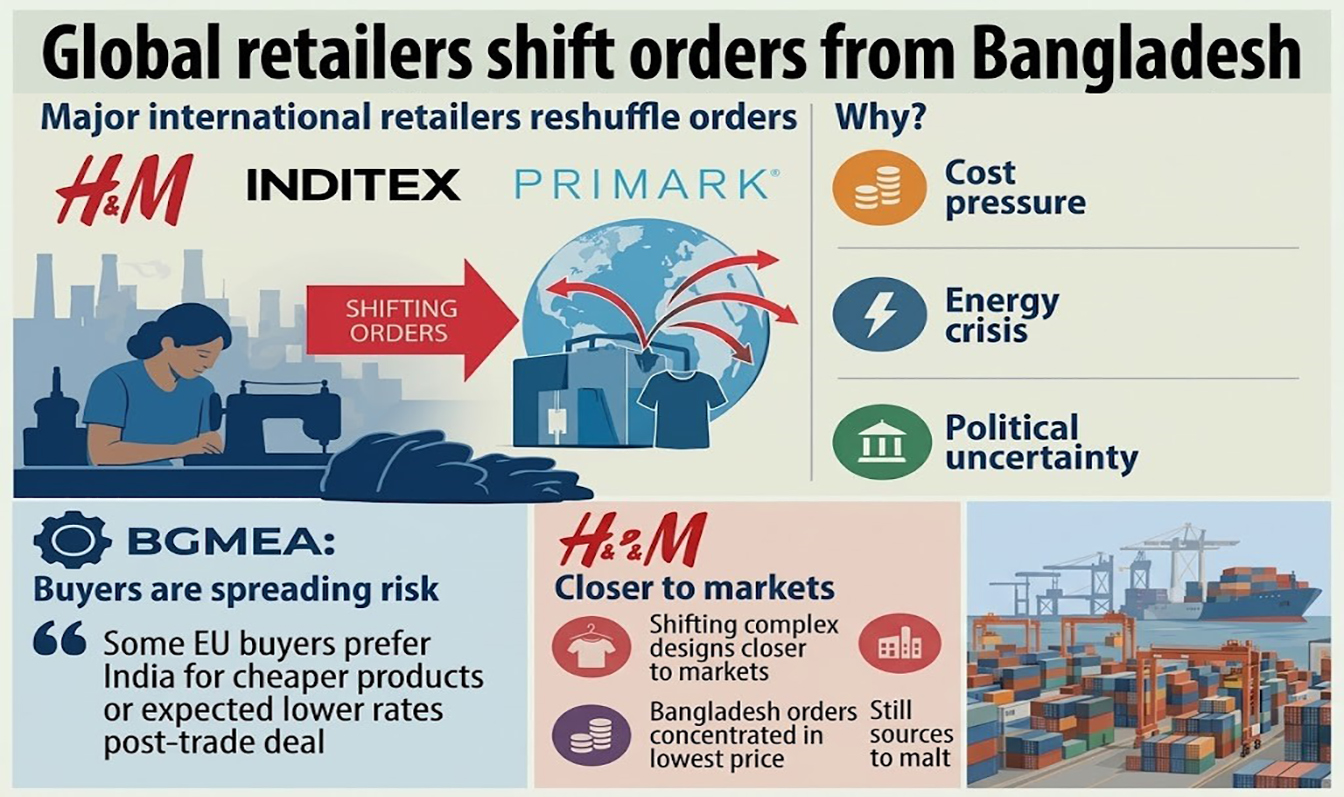
According to Mahmud Hasan, the sector, Bangladesh’s largest export earner, is currently navigating a challenging period marked by global economic slowdown, geopolitical tensions and intensified competition in international markets.
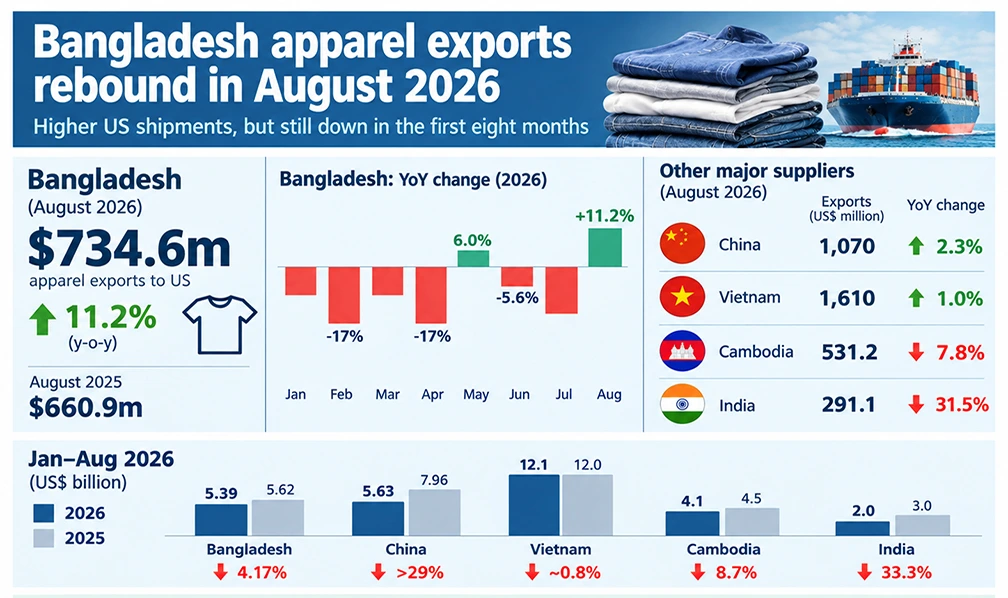
During the first eight months of the financial year 2025-26, export earnings from the sector declined by 3.73 per cent, while the opening of back-to-back letters of credit for raw material imports fell by 6.79 per cent. Average garment unit prices also dropped by 1.76 per cent.
Rising energy costs and domestic financial constraints have compounded the difficulties.
Gas prices have surged by 286 per cent over the past five years, while electricity tariffs have increased by 33 per cent, even as uninterrupted supply remains elusive.
High interest rates, liquidity shortages in the banking sector and working capital constraints have further strained manufacturers.
BGMEA president said some factories had faced acute financial stress, but coordinated efforts by BGMEA, factory owners, banks and labour federations ensured that outstanding wages and allowances were settled.
He credited timely government intervention, including the disbursement of Tk 25 billion in cash support and concessional loans, with easing liquidity pressures and helping maintain industrial stability ahead of Eid.
To reduce congestion on highways during the holiday rush, factories are staggering leave schedules by region.
As of March 17, around half of the factories had already begun holidays, with the remainder expected to follow by Thursday.
The BGMEA also acknowledged the role of law enforcement agencies and intelligence bodies in maintaining order in industrial zones, as well as the contribution of the media in facilitating timely resolution of labour-related issues.
Mahmud Hasan urged transport operators to prioritise passenger safety during the Eid travel period and called on authorities to strengthen highway monitoring to prevent the unsafe practice of carrying passengers in goods vehicles.