11:55 pm, Sunday, 19 April 2026

Light engineering sector demands dedicated industrial zone

Manufacturers of light engineering products in Bangladesh have called on the government to establish a dedicated industrial park or zone tailored to their sector’s needs.

They believe this would help them meet global standards and compete more effectively on the international stage.

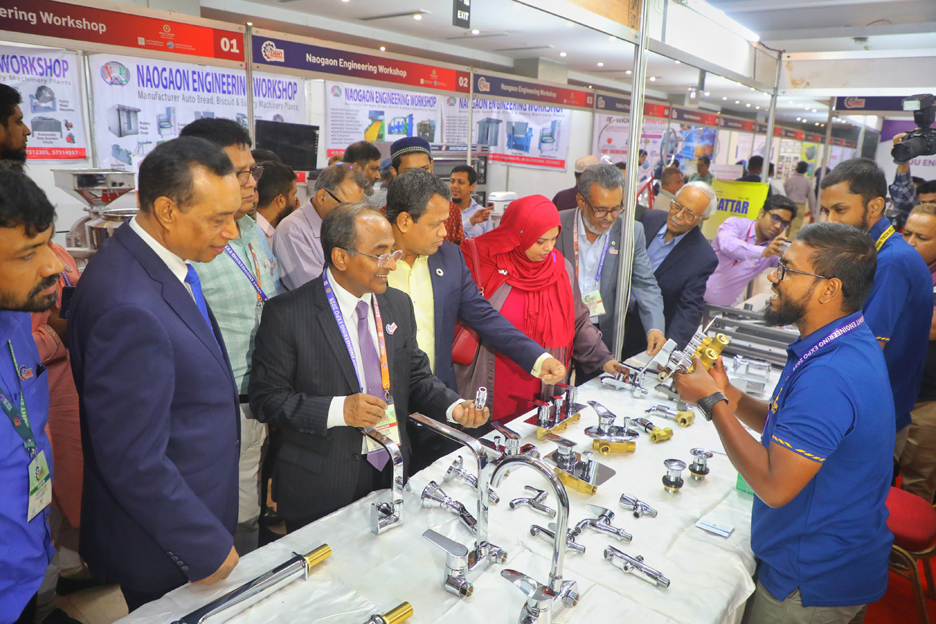
The demand was raised during the inauguration ceremony of the Bangladesh Light Engineering Expo 2025, held at the Shahid Abu Sayeed International Convention Centre Auditorium in Dhaka.

The two-day event, which continues until 30 May, is jointly organised by the Bangladesh Engineering Industry Owners’ Association (BEIOA) and the Export Competitiveness for Jobs (EC4J) Project, under the Ministry of Commerce.

Speaking as the Chief Guest, Mahbubur Rahman, Secretary of the Ministry of Commerce, emphasised the need for Bangladesh to focus on engineering and technology-based exports, with the local light engineering sector poised to play a vital role in this transition.

‘Although it is difficult to allocate separate land for this industry, we will consider it,’ he said, acknowledging the sector’s potential.

He added that policy support and continued dialogue with entrepreneurs are essential to address structural challenges.

Commerce seretary also mentioned the impact of recent reciprocal tariffs imposed by the United States, saying, ‘Despite a trade deficit of only six billion dollars, Bangladesh is still facing significant difficulties.’

Hosne Ferdous Sumi, Senior Private Sector Specialist and Task Team Leader of the World Bank’s EC4J Project, urged the sector to align more closely with global value chains.

‘There are clear opportunities for innovation and diversification within the light engineering industry, and Bangladesh must act to seize them,’ she said.

Hafizur Rahman, Administrator of the Federation of Bangladesh Chambers of Commerce and Industry (FBCCI), said that while the sector has strong potential, exports have remained stagnant due to capital shortages and limited international market exposure.

He highlighted that the Bangladesh Investment Development Authority (BIDA) roadmap identifies light engineering as a sector with the highest potential, and urged the government to review tariff and tax policies accordingly.

Abdur Rahim Khan, Additional Secretary and Project Director of EC4J, echoed these sentiments.

‘Addressing issues related to policy and coordination is vital. If we can remove barriers related to duties and taxes, the sector will experience significant growth,’ he said.

Md Abdur Razzaque, President of BEIOA, stressed the need for a specialised industrial park similar to the one established for the leather sector.

He also thanked the Ministry of Commerce and the EC4J Project for their continued support.

Razzaque saud that the light engineering industry consists of five key sub-sectors: moulds, electrical and electronics, agro-machinery, foundry, and bicycles—producing vital components for nearly every industry in the country.

Commercial Counsellors from several countries also attended the event and advised manufacturers to focus more on niche or sub-sector segments within the broader light engineering domain.

The expo features 27 local industrial enterprises showcasing a variety of products and technologies. It aims to promote local engineering innovation and facilitate policy dialogue between entrepreneurs and policymakers.

The exhibition is open to the public from 11:00am to 8:00pm daily, and is expected to serve as a catalyst for the development and global integration of Bangladesh’s light engineering sector.
Light engineering sector demands dedicated industrial zone

Update Time : 09:34:26 pm, Thursday, 29 May 2025

Manufacturers of light engineering products in Bangladesh have called on the government to establish a dedicated industrial park or zone tailored to their sector’s needs.

They believe this would help them meet global standards and compete more effectively on the international stage.

The demand was raised during the inauguration ceremony of the Bangladesh Light Engineering Expo 2025, held at the Shahid Abu Sayeed International Convention Centre Auditorium in Dhaka.

The two-day event, which continues until 30 May, is jointly organised by the Bangladesh Engineering Industry Owners’ Association (BEIOA) and the Export Competitiveness for Jobs (EC4J) Project, under the Ministry of Commerce.

Speaking as the Chief Guest, Mahbubur Rahman, Secretary of the Ministry of Commerce, emphasised the need for Bangladesh to focus on engineering and technology-based exports, with the local light engineering sector poised to play a vital role in this transition.

‘Although it is difficult to allocate separate land for this industry, we will consider it,’ he said, acknowledging the sector’s potential.

He added that policy support and continued dialogue with entrepreneurs are essential to address structural challenges.

Commerce seretary also mentioned the impact of recent reciprocal tariffs imposed by the United States, saying, ‘Despite a trade deficit of only six billion dollars, Bangladesh is still facing significant difficulties.’

Hosne Ferdous Sumi, Senior Private Sector Specialist and Task Team Leader of the World Bank’s EC4J Project, urged the sector to align more closely with global value chains.

‘There are clear opportunities for innovation and diversification within the light engineering industry, and Bangladesh must act to seize them,’ she said.

Hafizur Rahman, Administrator of the Federation of Bangladesh Chambers of Commerce and Industry (FBCCI), said that while the sector has strong potential, exports have remained stagnant due to capital shortages and limited international market exposure.

He highlighted that the Bangladesh Investment Development Authority (BIDA) roadmap identifies light engineering as a sector with the highest potential, and urged the government to review tariff and tax policies accordingly.

Abdur Rahim Khan, Additional Secretary and Project Director of EC4J, echoed these sentiments.

‘Addressing issues related to policy and coordination is vital. If we can remove barriers related to duties and taxes, the sector will experience significant growth,’ he said.

Md Abdur Razzaque, President of BEIOA, stressed the need for a specialised industrial park similar to the one established for the leather sector.

He also thanked the Ministry of Commerce and the EC4J Project for their continued support.

Razzaque saud that the light engineering industry consists of five key sub-sectors: moulds, electrical and electronics, agro-machinery, foundry, and bicycles—producing vital components for nearly every industry in the country.

Commercial Counsellors from several countries also attended the event and advised manufacturers to focus more on niche or sub-sector segments within the broader light engineering domain.

The expo features 27 local industrial enterprises showcasing a variety of products and technologies. It aims to promote local engineering innovation and facilitate policy dialogue between entrepreneurs and policymakers.

The exhibition is open to the public from 11:00am to 8:00pm daily, and is expected to serve as a catalyst for the development and global integration of Bangladesh’s light engineering sector.