8:57 pm, Friday, 12 December 2025

Bangladesh urged to show labour rights progress in US tariff negotiations

Two leading American trade associations have urged Bangladesh to demonstrate substantive progress on labour rights, as part of ongoing discussions with the United States over proposed tariffs on Bangladeshi exports.

In a joint letter dated May 20 and addressed to Chief Adviser Mohammad Yunus, the American Apparel and Footwear Association (AAFA) and the Fair Labor Association (FLA) outlined three priority areas requiring immediate attention to improve conditions in the garment, footwear and travel goods sectors.

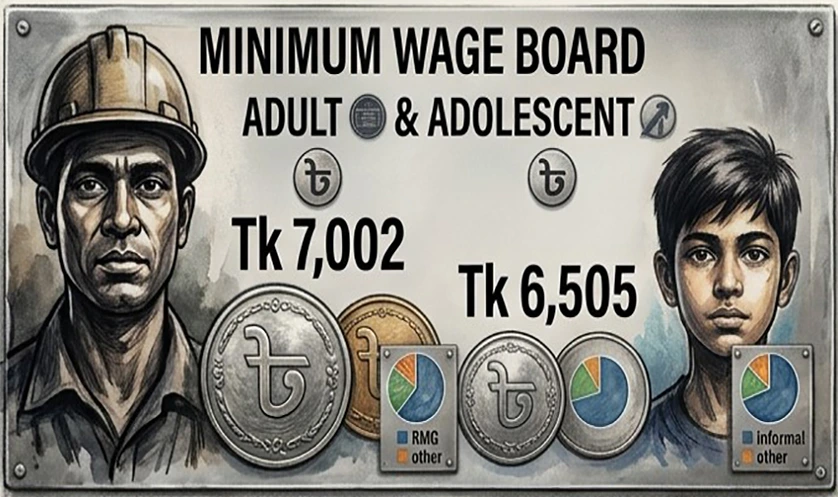
The organisations called for the unconditional release of individuals still in detention following the autumn 2023 minimum wage protests, along with the withdrawal of all related criminal charges.

Additionally, they renewed their appeal for the establishment of a transparent, regular annual minimum wage review mechanism and urged a swift conclusion to the ongoing tripartite consultations on amendments to the Bangladesh Labour Act.

These reforms are aimed at harmonising national labour laws with international standards and preventing further industrial unrest.

Steve Lamar, President and CEO of the AAFA, and Jeff Vockrodt, President and CEO of the FLA, said in the letter that they are committed to continued collaboration with the Chief Adviser, stressing that both the protection of workers’ rights and the sustainable growth of Bangladesh’s export-oriented industries must remain priorities.

‘This is even more important amid the ongoing negotiations with the United States over President Trump’s proposed tariffs, which could have a significantly adverse impact on Bangladesh,’ the letter stated.

It further noted that resolving these issues would help move the negotiations towards a successful conclusion regarding President Trump’s proposed tariffs.

‘Regrettably, the issues we urged you to address in our letter dated September 17, 2024, as well as during the brand delegation visits to Bangladesh in November 2024 and January 2025, remain unresolved,’ it added.

‘However, the time for discussion has passed,’ the letter continued, emphasising the need for immediate and tangible progress on addressing these concerns.

The organisations also urged the interim government to end the threat of arrest for thousands of workers linked to the 2023 minimum wage protests by immediately cancelling the ‘First Information Reports’ filed against them.

They further called for the dismissal and resolution of criminal charges brought against labour organisers such as Babul Akhter, General Secretary of the Bangladesh Garments and Industrial Workers Federation, and Jewel Miya, a labour organiser with the Bangladesh Independent Garment Workers Union Federation—both arrested in 2023 for advocating higher wages.

Regarding the annual minimum wage review, the letter said that a mechanism involving all stakeholders, rather than the current five-year review cycle, would allow the government to better respond to prevailing economic conditions without imposing abrupt, heavy burdens on the industry or its workers.

The implementation of a regular and transparent wage review system, it argued, would support both the short- and long-term health and stability of Bangladesh’s garment, footwear, and travel goods sectors.

The associations also urged the government to consider advising employers to compensate workers for the four days of lost wages during the declared holiday period.

To promote harmonious industrial relations and prevent future unrest, the letter called for the prompt conclusion of tripartite discussions on amending the Bangladesh Labour Act to align it with international labour standards.

‘These reforms should simplify the creation and registration of independent trade unions, including a significant reduction in the registration threshold,’ the letter said, further recommending increased penalties for unfair labour practices and the extension of full labour rights to workers in Export Processing Zones (EPZs).
Bangladesh urged to show labour rights progress in US tariff negotiations

Update Time : 01:18:58 am, Friday, 23 May 2025

Two leading American trade associations have urged Bangladesh to demonstrate substantive progress on labour rights, as part of ongoing discussions with the United States over proposed tariffs on Bangladeshi exports.

In a joint letter dated May 20 and addressed to Chief Adviser Mohammad Yunus, the American Apparel and Footwear Association (AAFA) and the Fair Labor Association (FLA) outlined three priority areas requiring immediate attention to improve conditions in the garment, footwear and travel goods sectors.

The organisations called for the unconditional release of individuals still in detention following the autumn 2023 minimum wage protests, along with the withdrawal of all related criminal charges.

Additionally, they renewed their appeal for the establishment of a transparent, regular annual minimum wage review mechanism and urged a swift conclusion to the ongoing tripartite consultations on amendments to the Bangladesh Labour Act.

These reforms are aimed at harmonising national labour laws with international standards and preventing further industrial unrest.

Steve Lamar, President and CEO of the AAFA, and Jeff Vockrodt, President and CEO of the FLA, said in the letter that they are committed to continued collaboration with the Chief Adviser, stressing that both the protection of workers’ rights and the sustainable growth of Bangladesh’s export-oriented industries must remain priorities.

‘This is even more important amid the ongoing negotiations with the United States over President Trump’s proposed tariffs, which could have a significantly adverse impact on Bangladesh,’ the letter stated.

It further noted that resolving these issues would help move the negotiations towards a successful conclusion regarding President Trump’s proposed tariffs.

‘Regrettably, the issues we urged you to address in our letter dated September 17, 2024, as well as during the brand delegation visits to Bangladesh in November 2024 and January 2025, remain unresolved,’ it added.

‘However, the time for discussion has passed,’ the letter continued, emphasising the need for immediate and tangible progress on addressing these concerns.

The organisations also urged the interim government to end the threat of arrest for thousands of workers linked to the 2023 minimum wage protests by immediately cancelling the ‘First Information Reports’ filed against them.

They further called for the dismissal and resolution of criminal charges brought against labour organisers such as Babul Akhter, General Secretary of the Bangladesh Garments and Industrial Workers Federation, and Jewel Miya, a labour organiser with the Bangladesh Independent Garment Workers Union Federation—both arrested in 2023 for advocating higher wages.

Regarding the annual minimum wage review, the letter said that a mechanism involving all stakeholders, rather than the current five-year review cycle, would allow the government to better respond to prevailing economic conditions without imposing abrupt, heavy burdens on the industry or its workers.

The implementation of a regular and transparent wage review system, it argued, would support both the short- and long-term health and stability of Bangladesh’s garment, footwear, and travel goods sectors.

The associations also urged the government to consider advising employers to compensate workers for the four days of lost wages during the declared holiday period.

To promote harmonious industrial relations and prevent future unrest, the letter called for the prompt conclusion of tripartite discussions on amending the Bangladesh Labour Act to align it with international labour standards.

‘These reforms should simplify the creation and registration of independent trade unions, including a significant reduction in the registration threshold,’ the letter said, further recommending increased penalties for unfair labour practices and the extension of full labour rights to workers in Export Processing Zones (EPZs).