4:38 am, Thursday, 22 October 2026

Weak demand, high costs force factories to scale back

  • Bizbd Report
  • Update Time : 08:50:40 pm, Wednesday, 21 October 2026
  • 24

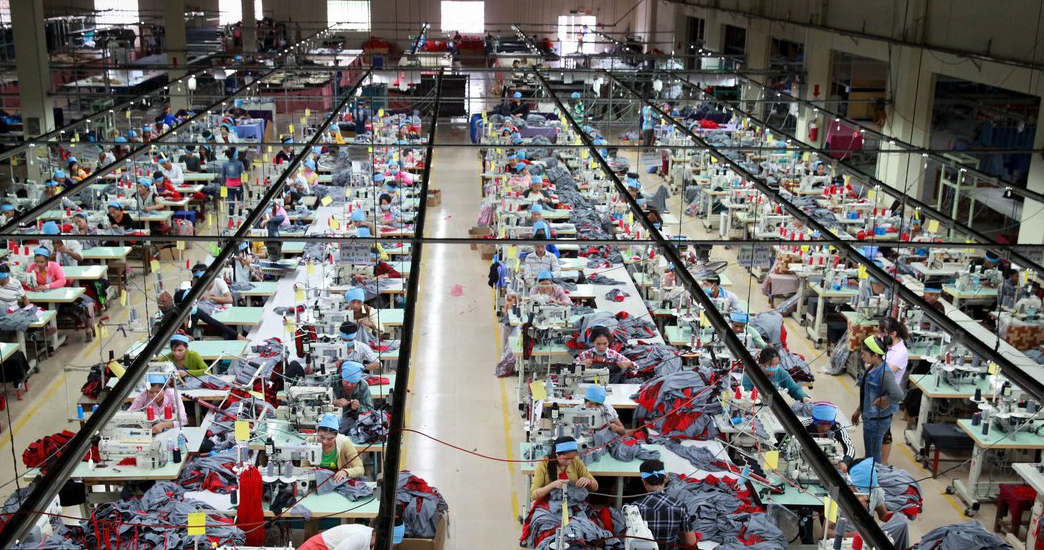
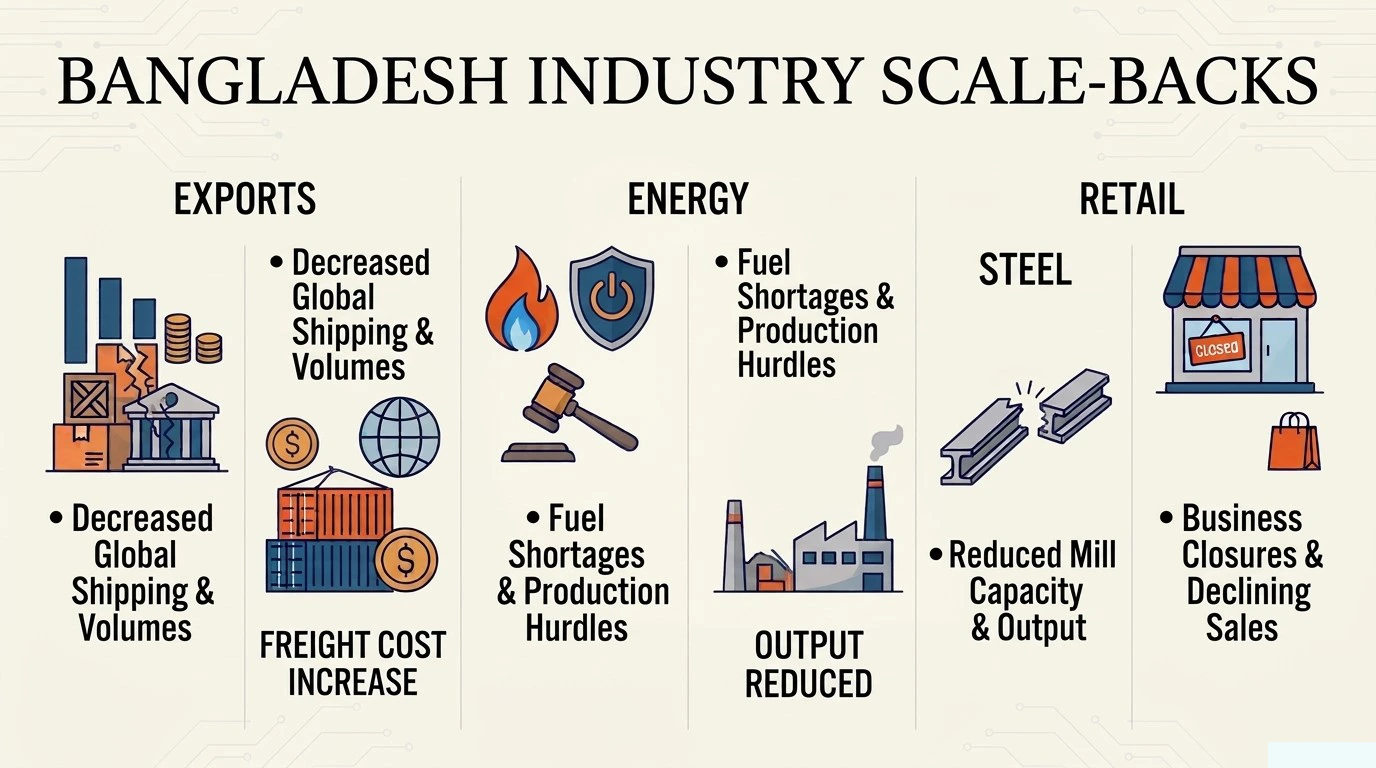
Factories across Bangladesh are operating below capacity, and some have shut, as weak demand, sluggish export orders, rising costs, financing constraints and unreliable energy supplies squeeze industry, business leaders said.

They said worsening law and order was further undermining business confidence.

The pressures were disrupting production, discouraging investment and threatening jobs, they said.

The leaders also raised concerns about the country’s growing dependence on imports.

Bangladesh Chamber of Industries president Anwar-ul-Alam Chowdhury Parvez said many domestic factories were operating at only 60-65 per cent of capacity. Steel and cement manufacturers faced more severe difficulties, he said.

Some plants had suspended operations, while others were running at about 50-60 per cent of capacity, he said.

He said small businesses, cottage industries and retailers were also struggling because consumers had less money to spend and remained reluctant to buy amid economic uncertainty.

WEAK DEMAND

Business leaders said weak consumer spending, stalled development projects and sluggish activity in the housing sector had reduced demand for steel, cement and other manufactured products.

Bangladesh Steel Manufacturers Association general secretary Sumon Chowdhury said overall business conditions remained weak because government consumption had stagnated.

He said government consumption accounted for about 50-60 per cent of demand for the steel sector, while limited activity in real estate, infrastructure development and industrialisation had further reduced production.

About eight to 10 steel mills were non-operational amid the gas crisis and other difficulties, he said. The industry’s annual production capacity of 70-80 lakh tonnes had declined by about 30-40 per cent or more, he said.

EXPORT ORDERS AND COSTS

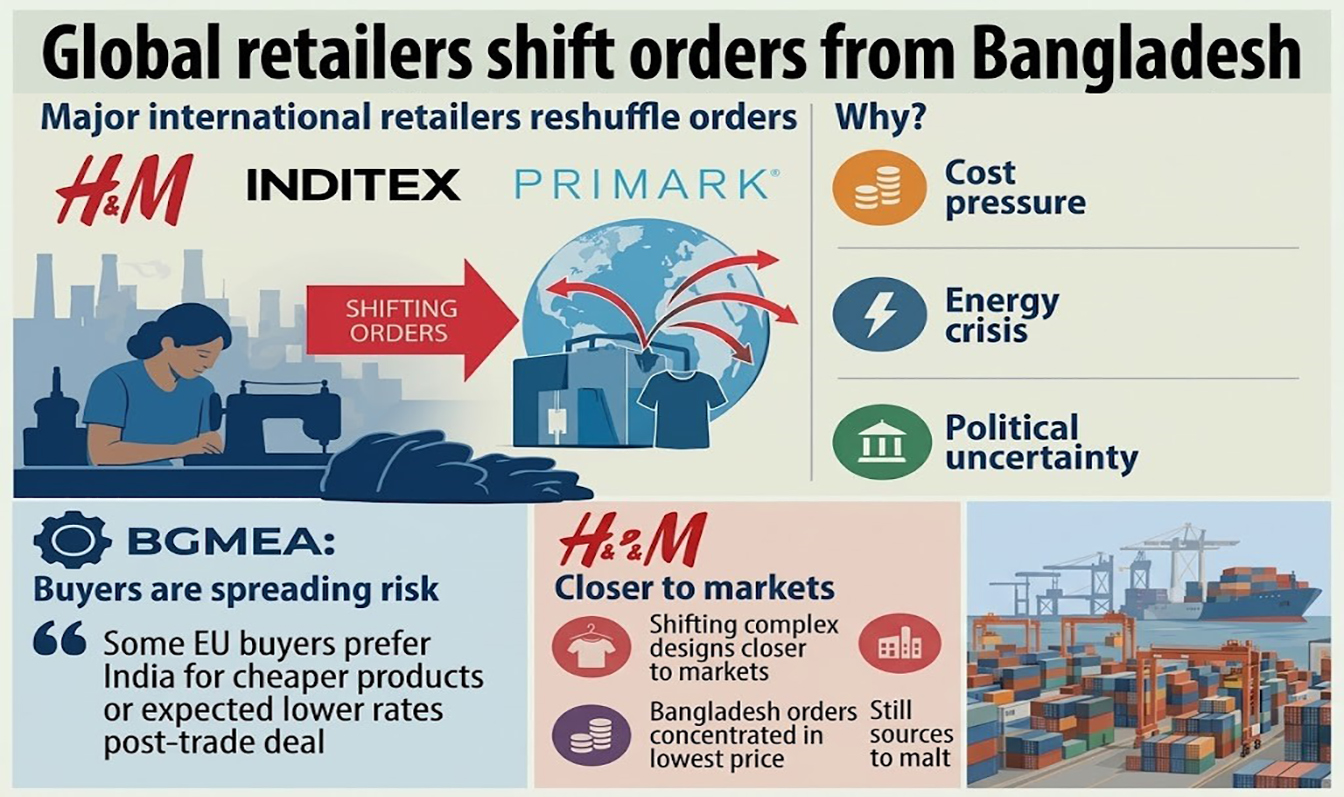
Export-oriented industries were facing uncertainty in major markets, particularly Europe and the United States, alongside higher freight charges and raw material prices, business leaders said.

Bangladesh Knitwear Manufacturers and Exporters Association executive president Fazle Shamim Ehsan identified shortages of export orders, higher logistics costs and expensive raw materials as the major challenges facing garment manufacturers.

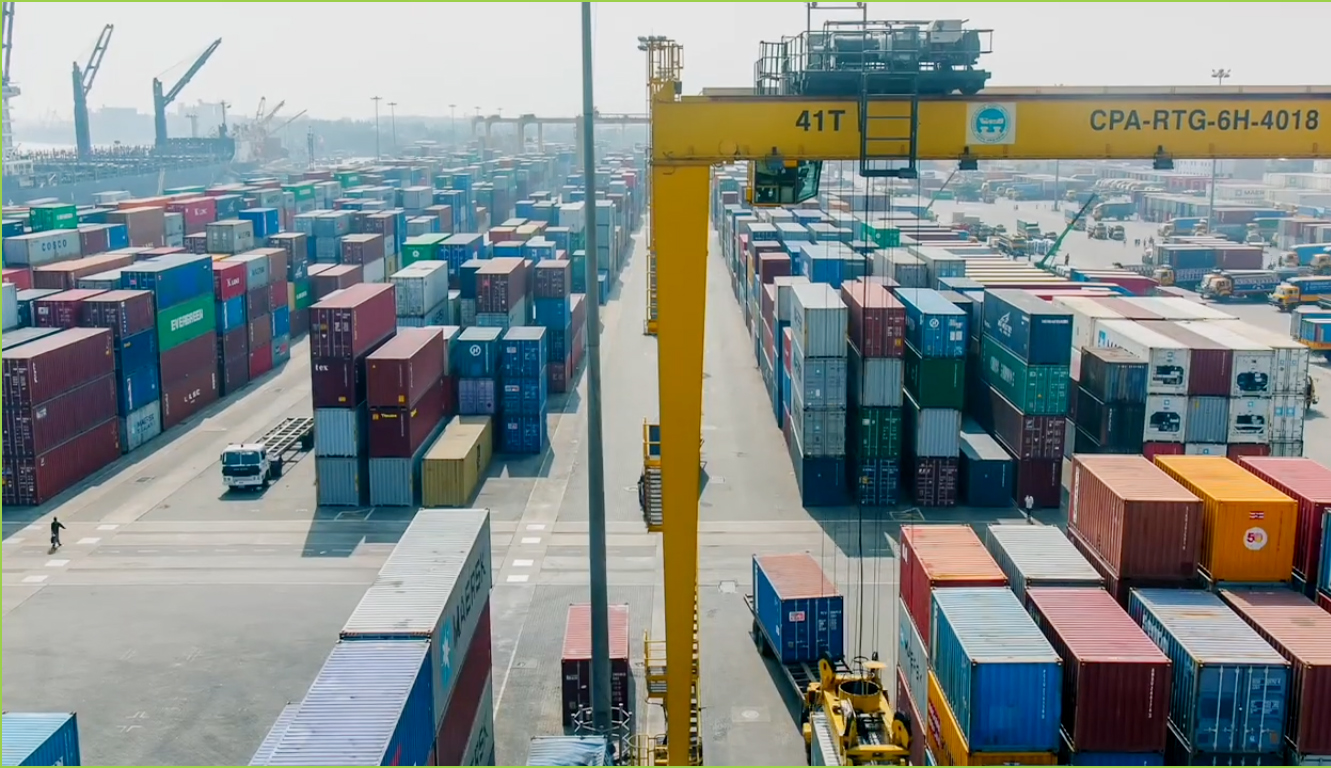
He said container costs had increased threefold to fourfold amid conflict-related disruptions.

Ehsan said rising raw material prices were making it increasingly difficult for manufacturers to secure orders for the next season at competitive rates.

Higher input and transportation costs were placing additional pressure on exporters’ competitiveness, he said.

Parvez said uncertainty over law and order and the prospect of renewed unrest were making international buyers apprehensive about sourcing from Bangladesh, although garment factories were receiving enquiries and orders.

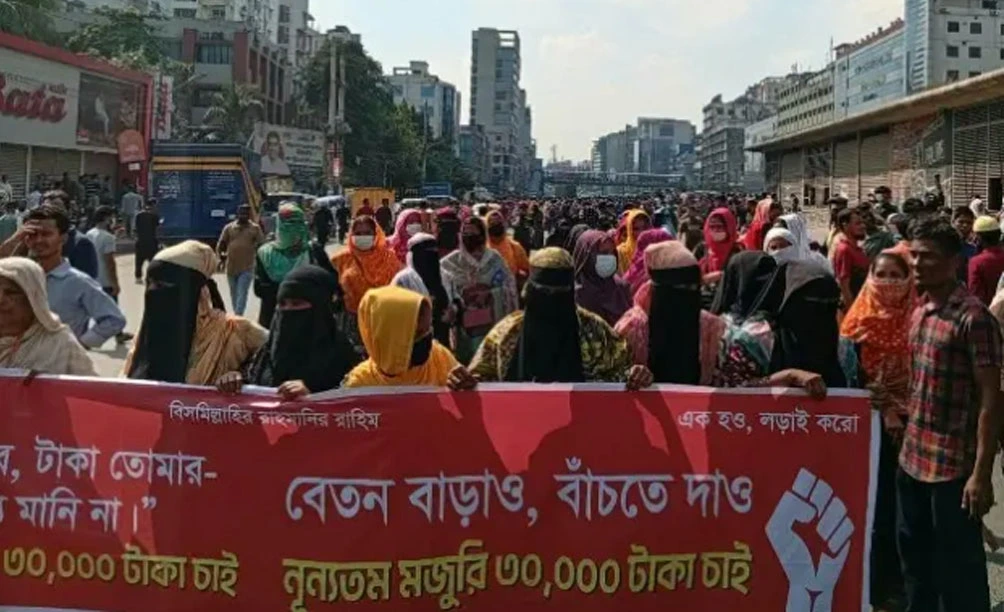
He said buyers were monitoring developments in the country, particularly after labour unrest over wages, and were concerned about possible disruptions to production and shipments.

Parvez also warned that an escalation of conflict in the Middle East could raise fuel and food prices and disrupt international supply chains, increasing the economic burden on Bangladesh.

FACTORY CLOSURES AND JOBS

Bangladesh Garment Manufacturers and Exporters Association president Mahmud Hasan Khan recently said 31 factories had closed since the current BNP-led government took office, resulting in job losses for about 14,000 workers.

The BGMEA said none of the closures was caused by the energy crisis.

During the same period, 53 factories had opened, reopened or obtained BGMEA membership, creating employment for about 24,000 workers, according to the association.

Bangladesh Textile Mills Association president Showkat Aziz Russell said more than 200 textile factories remained closed because of energy shortages and financial constraints.

ENERGY

Although gas supplies have improved in some areas, businesses said the recovery remained uneven and insufficient to restore normal production.

Sumon said areas that previously received no gas pressure were now getting about 30-40 per cent pressure.

Bangladesh Ceramic Manufacturers and Exporters Association president Moynul Islam said improvements in gas supplies remained limited and uneven, with many factories closed or operating partially at about 50 per cent of capacity.

Parvez said inconsistent gas supplies were making production planning difficult. Industries needed reliable supplies rather than temporary improvements followed by renewed shortages, he said.

Saiful Hasan, deputy manager of Akij Plastics, said gas shortages were delaying production and disrupting shipments, damaging credibility with buyers who planned deliveries well in advance.

He called for a separate government policy on industrial gas supplies, arguing that reliable energy and appropriate policy support were essential to protecting manufacturing operations.

FINANCE AND CONFIDENCE

Business leaders said difficulties in securing working capital, opening letters of credit and obtaining foreign currency had further constrained industrial activity.

Sumon said high interest rates were making bank borrowing difficult, while dollar shortages were constraining letters of credit for imported raw materials.

He urged the government to reduce interest rates, support distressed factories and formulate a long-term development plan for the steel sector.

Russell said the expected improvement in access to bank financing had failed to materialise, leaving textile manufacturers struggling with financial constraints alongside energy shortages and law-and-order problems.

He said insecurity and extortion were disrupting goods transportation and routine business operations, undermining confidence among entrepreneurs and investors.

Russell said the capital market was suffering from a shortage of funds and, more importantly, a lack of confidence. He questioned how investment could increase if businesses struggled to attract capital while the government absorbed funds through bonds and treasury instruments.

He warned that Bangladesh was becoming increasingly dependent on imports and said the government needed to support export-oriented industries and domestic manufacturers producing goods that could substitute for imports.

Moynul said the global economic slowdown, wars and geopolitical tensions were disrupting supply chains, complicating raw material imports and reducing orders.

Business leaders said addressing weak demand, financing constraints, energy shortages and rising costs was essential to reviving production, encouraging investment and protecting employment.
Weak demand, high costs force factories to scale back

Update Time : 08:50:40 pm, Wednesday, 21 October 2026

Factories across Bangladesh are operating below capacity, and some have shut, as weak demand, sluggish export orders, rising costs, financing constraints and unreliable energy supplies squeeze industry, business leaders said.

They said worsening law and order was further undermining business confidence.

The pressures were disrupting production, discouraging investment and threatening jobs, they said.

The leaders also raised concerns about the country’s growing dependence on imports.

Bangladesh Chamber of Industries president Anwar-ul-Alam Chowdhury Parvez said many domestic factories were operating at only 60-65 per cent of capacity. Steel and cement manufacturers faced more severe difficulties, he said.

Some plants had suspended operations, while others were running at about 50-60 per cent of capacity, he said.

He said small businesses, cottage industries and retailers were also struggling because consumers had less money to spend and remained reluctant to buy amid economic uncertainty.

WEAK DEMAND

Business leaders said weak consumer spending, stalled development projects and sluggish activity in the housing sector had reduced demand for steel, cement and other manufactured products.

Bangladesh Steel Manufacturers Association general secretary Sumon Chowdhury said overall business conditions remained weak because government consumption had stagnated.

He said government consumption accounted for about 50-60 per cent of demand for the steel sector, while limited activity in real estate, infrastructure development and industrialisation had further reduced production.

About eight to 10 steel mills were non-operational amid the gas crisis and other difficulties, he said. The industry’s annual production capacity of 70-80 lakh tonnes had declined by about 30-40 per cent or more, he said.

EXPORT ORDERS AND COSTS

Export-oriented industries were facing uncertainty in major markets, particularly Europe and the United States, alongside higher freight charges and raw material prices, business leaders said.

Bangladesh Knitwear Manufacturers and Exporters Association executive president Fazle Shamim Ehsan identified shortages of export orders, higher logistics costs and expensive raw materials as the major challenges facing garment manufacturers.

He said container costs had increased threefold to fourfold amid conflict-related disruptions.

Ehsan said rising raw material prices were making it increasingly difficult for manufacturers to secure orders for the next season at competitive rates.

Higher input and transportation costs were placing additional pressure on exporters’ competitiveness, he said.

Parvez said uncertainty over law and order and the prospect of renewed unrest were making international buyers apprehensive about sourcing from Bangladesh, although garment factories were receiving enquiries and orders.

He said buyers were monitoring developments in the country, particularly after labour unrest over wages, and were concerned about possible disruptions to production and shipments.

Parvez also warned that an escalation of conflict in the Middle East could raise fuel and food prices and disrupt international supply chains, increasing the economic burden on Bangladesh.

FACTORY CLOSURES AND JOBS

Bangladesh Garment Manufacturers and Exporters Association president Mahmud Hasan Khan recently said 31 factories had closed since the current BNP-led government took office, resulting in job losses for about 14,000 workers.

The BGMEA said none of the closures was caused by the energy crisis.

During the same period, 53 factories had opened, reopened or obtained BGMEA membership, creating employment for about 24,000 workers, according to the association.

Bangladesh Textile Mills Association president Showkat Aziz Russell said more than 200 textile factories remained closed because of energy shortages and financial constraints.

ENERGY

Although gas supplies have improved in some areas, businesses said the recovery remained uneven and insufficient to restore normal production.

Sumon said areas that previously received no gas pressure were now getting about 30-40 per cent pressure.

Bangladesh Ceramic Manufacturers and Exporters Association president Moynul Islam said improvements in gas supplies remained limited and uneven, with many factories closed or operating partially at about 50 per cent of capacity.

Parvez said inconsistent gas supplies were making production planning difficult. Industries needed reliable supplies rather than temporary improvements followed by renewed shortages, he said.

Saiful Hasan, deputy manager of Akij Plastics, said gas shortages were delaying production and disrupting shipments, damaging credibility with buyers who planned deliveries well in advance.

He called for a separate government policy on industrial gas supplies, arguing that reliable energy and appropriate policy support were essential to protecting manufacturing operations.

FINANCE AND CONFIDENCE

Business leaders said difficulties in securing working capital, opening letters of credit and obtaining foreign currency had further constrained industrial activity.

Sumon said high interest rates were making bank borrowing difficult, while dollar shortages were constraining letters of credit for imported raw materials.

He urged the government to reduce interest rates, support distressed factories and formulate a long-term development plan for the steel sector.

Russell said the expected improvement in access to bank financing had failed to materialise, leaving textile manufacturers struggling with financial constraints alongside energy shortages and law-and-order problems.

He said insecurity and extortion were disrupting goods transportation and routine business operations, undermining confidence among entrepreneurs and investors.

Russell said the capital market was suffering from a shortage of funds and, more importantly, a lack of confidence. He questioned how investment could increase if businesses struggled to attract capital while the government absorbed funds through bonds and treasury instruments.

He warned that Bangladesh was becoming increasingly dependent on imports and said the government needed to support export-oriented industries and domestic manufacturers producing goods that could substitute for imports.

Moynul said the global economic slowdown, wars and geopolitical tensions were disrupting supply chains, complicating raw material imports and reducing orders.

Business leaders said addressing weak demand, financing constraints, energy shortages and rising costs was essential to reviving production, encouraging investment and protecting employment.