Bizbd Report
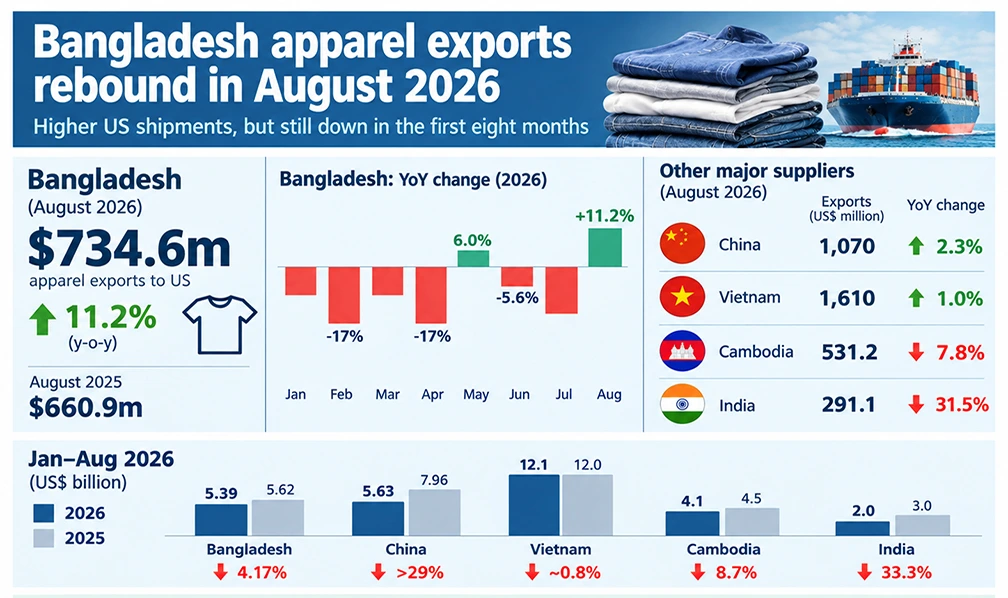
Bangladesh is bracing for significant export losses, with a projected $1.25 billion hit as US reciprocal tariffs and a contracting apparel market threaten to slash shipments by 14.6 per cent, with apparel alone accounting for $1.08 billion, according to a latest study.
The US apparel market itself is forecast to contract by 12 per cent, or roughly $10 billion, indicating that even if Bangladeshi exporters increase market share, overall growth may remain limited.
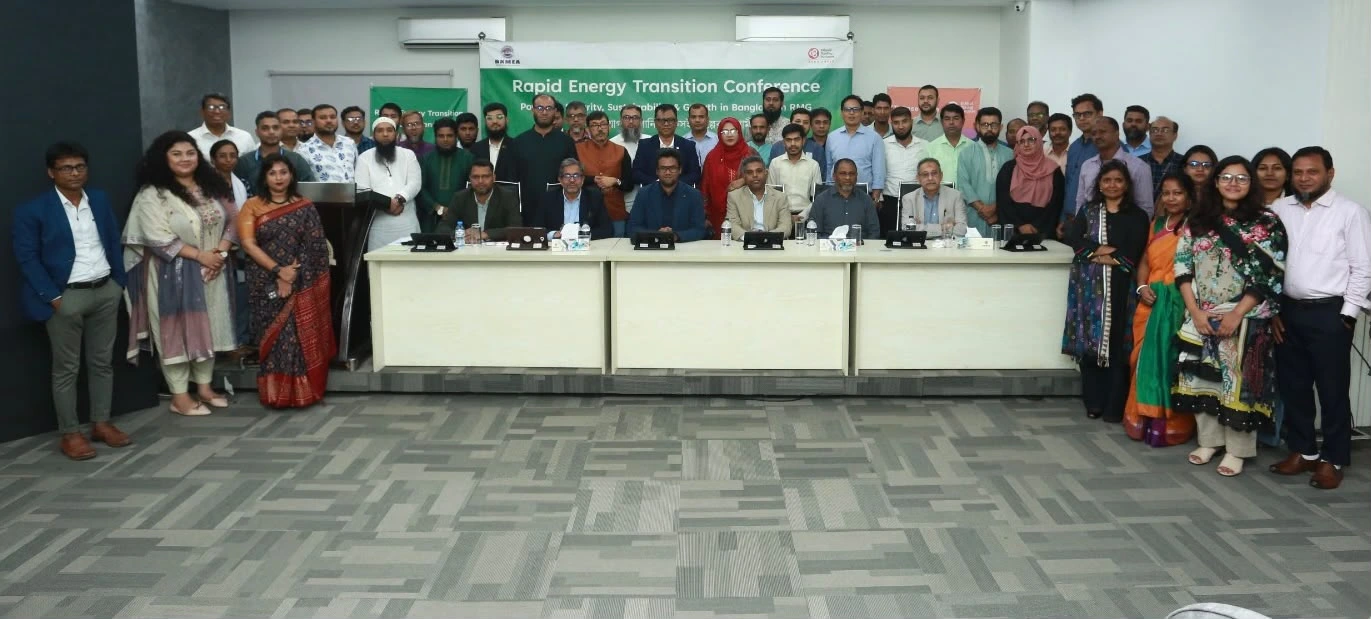
The findings were presented by RAPID Chairman M A Razzaque at a workshop on reciprocal tariffs and LDC graduation on 16 September at the CIRDAP auditorium in Dhaka.
The imposition of US reciprocal tariffs added a 20 per cent surcharge to existing Most Favoured Nation rates, pushing more than half of Bangladesh’s exports to 35–40 per cent tariffs, with 12 per cent facing rates above 45 per cent, the report said.
Previously duty-free goods are now subject to a 20 per cent levy, and apparel items with prior tariffs of 15–20 per cent will face 35–40 per cent. High-tariff products include men’s trousers, sweaters and pullovers, and shirts, with rates climbing to nearly 50 per cent in some cases.
The analysis noted that the escalation in US reciprocal tariffs would weaken price competitiveness, reduce demand, squeeze profit margins, and could force smaller firms to exit the US market.
It mentioned that while Bangladesh retained a relative advantage compared with India and China, this was unlikely to offset the negative effects of a contracting US market.
The report highlighted that ongoing India-US negotiations could intensify competition, potentially worsening Bangladesh’s losses, though the overall impact on domestic manufacturing and GDP was expected to remain limited.
It also pointed out that other major exporters could face even sharper declines. China’s apparel shipments to the US were projected to fall by nearly 49 per cent, while India could see an 82.4 per cent reduction if negotiations lowered its tariff rate.
Sri Lanka’s exports were expected to drop by 14.6 per cent, Pakistan’s by 10.7 per cent, Indonesia and Vietnam by 10.3 per cent each, and Cambodia by 8.3 per cent.
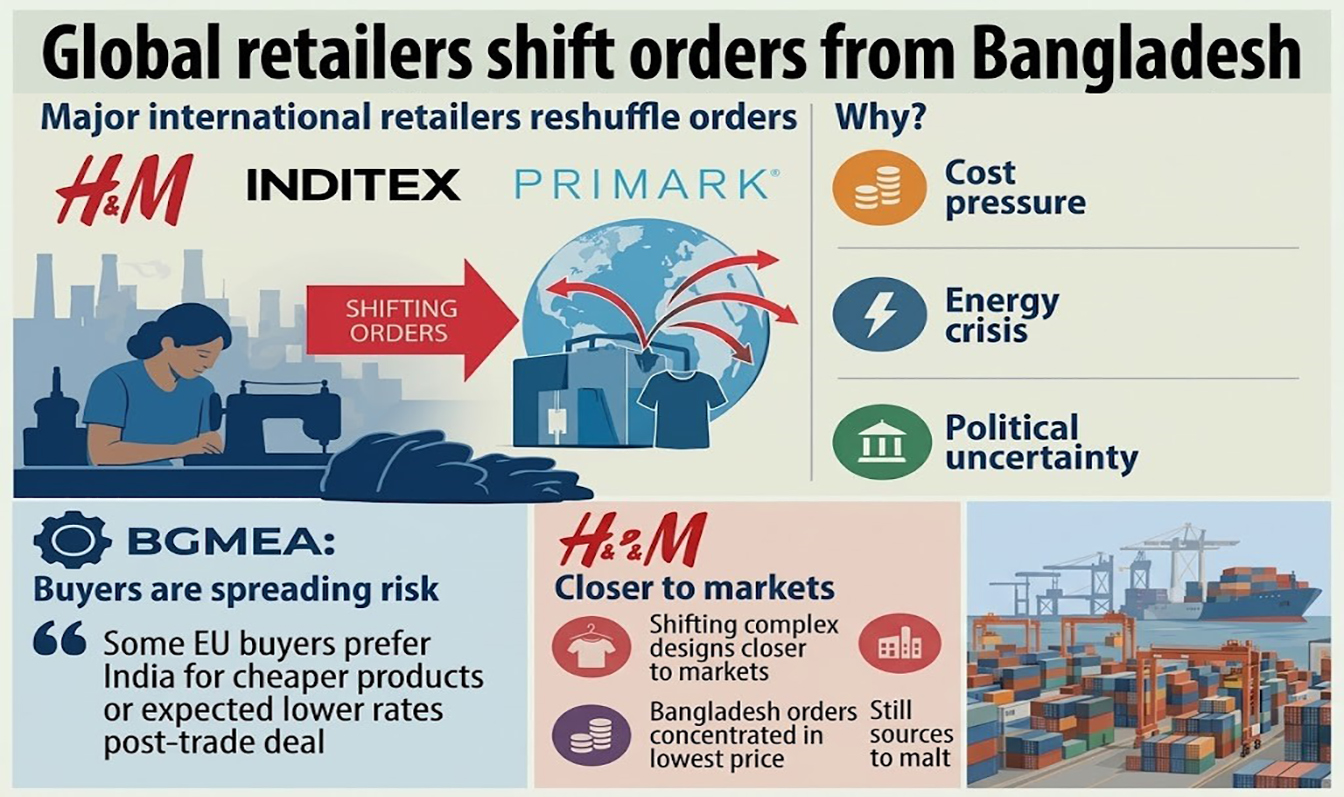
The report observed that these tariffs were reshaping global supply chains, weakening price competitiveness, and placing unprecedented pressure on exporters’ margins.
The broader US market was also projected to contract beyond apparel, with textiles and manufactured goods expected to fall between 20 and 23 per cent.
Prices inclusive of tariffs were likely to rise, further dampening demand and challenging exporters’ ability to maintain profitability.
The report concluded that for Bangladesh and other suppliers, the combined effect of a contracting market and high tariffs underscored the urgent need for export diversification, improved trade negotiation strategies, and policy reforms to sustain their presence in an increasingly restrictive US market.