11:23 pm, Friday, 10 July 2026

BGMEA proposes gradual ZLD implementation for RMG sector

Bangladesh Garment Manufacturers and Exporters Association (BGMEA) on June 24 proposed a gradual and performance-based roadmap for implementing Zero Liquid Discharge (ZLD) in the country’s readymade garment (RMG) sector, instead of maintaining a mandatory compliance requirement.

ZLD is an advanced water treatment process designed to eliminate liquid waste from industrial operations.

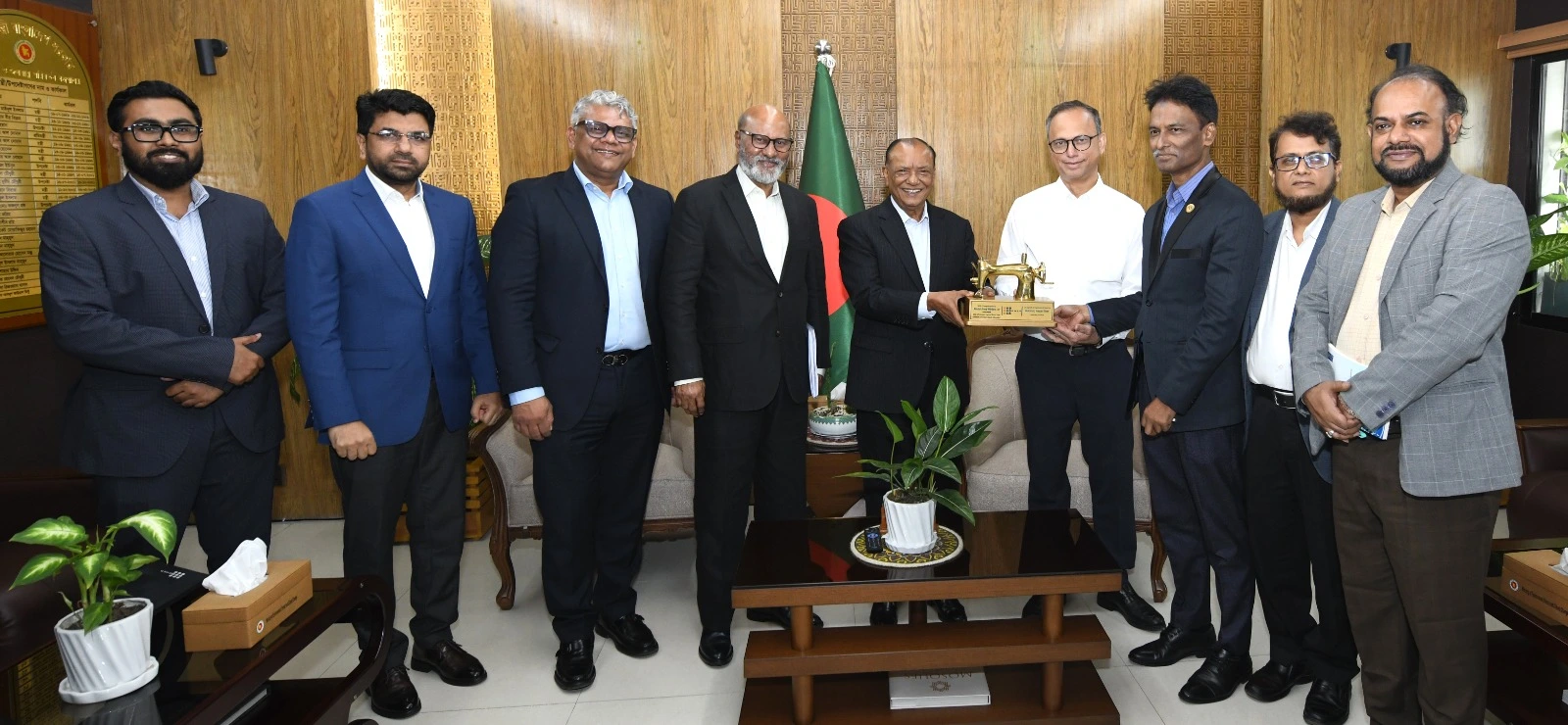
The proposal was made when a BGMEA delegation, led by its president Mahmud Hasan Khan, met Environment, Forest and Climate Change Minister Abdul Awal Mintoo at the ministry’s secretariat office in Dhaka.

Senior industry figures, including former Bangladesh Textile Mills Association (BTMA) president A Matin Chowdhury, BGMEA director Nafis-ud-Doula and Kingsley CEO Md Ashiqur Rahman, were also present at the meeting.

During the discussions, the association called for the formulation of specific sustainability guidelines for water conservation and reuse, along with financial incentives such as VAT and duty exemptions on ZLD equipment.

It also proposed the establishment of a dedicated “ZLD window” under the Bangladesh Bank’s Green Transformation Fund.

The meeting focused on aligning environmental compliance requirements with the operational realities of the RMG and sustainable textile industries.

Reaffirming their commitment to environmental sustainability, industry leaders also highlighted several regulatory challenges, including technical complexities in implementing the Environmental Protection Rules, 2023.

The delegation said that existing effluent treatment plant (ETP) colour parameters are technically difficult to achieve under current infrastructure and called for more realistic, science-based standards.

To improve transparency in environmental monitoring, they suggested introducing a mirror testing system for sample verification and adopting a risk-based, long-term environmental clearance renewal process for compliant factories.

The BGMEA also urged the government to expedite the formulation of rules under the Forest Ordinance (2026) to reduce uncertainty regarding land use in industrial zones.

They further stressed the need to set tolerance levels for environmental parameter fluctuations during extreme weather events, as well as a more balanced air quality assessment system that accounts for external sources of pollution.

Acknowledging the RMG sector’s significant contribution to the national economy, Environment Minister Abdul Awal Mintoo assured that the government would consider the proposals while balancing industrial needs with environmental protection goals.
BGMEA proposes gradual ZLD implementation for RMG sector

Update Time : 12:45:32 am, Thursday, 25 June 2026

Bangladesh Garment Manufacturers and Exporters Association (BGMEA) on June 24 proposed a gradual and performance-based roadmap for implementing Zero Liquid Discharge (ZLD) in the country’s readymade garment (RMG) sector, instead of maintaining a mandatory compliance requirement.

ZLD is an advanced water treatment process designed to eliminate liquid waste from industrial operations.

The proposal was made when a BGMEA delegation, led by its president Mahmud Hasan Khan, met Environment, Forest and Climate Change Minister Abdul Awal Mintoo at the ministry’s secretariat office in Dhaka.

Senior industry figures, including former Bangladesh Textile Mills Association (BTMA) president A Matin Chowdhury, BGMEA director Nafis-ud-Doula and Kingsley CEO Md Ashiqur Rahman, were also present at the meeting.

During the discussions, the association called for the formulation of specific sustainability guidelines for water conservation and reuse, along with financial incentives such as VAT and duty exemptions on ZLD equipment.

It also proposed the establishment of a dedicated “ZLD window” under the Bangladesh Bank’s Green Transformation Fund.

The meeting focused on aligning environmental compliance requirements with the operational realities of the RMG and sustainable textile industries.

Reaffirming their commitment to environmental sustainability, industry leaders also highlighted several regulatory challenges, including technical complexities in implementing the Environmental Protection Rules, 2023.

The delegation said that existing effluent treatment plant (ETP) colour parameters are technically difficult to achieve under current infrastructure and called for more realistic, science-based standards.

To improve transparency in environmental monitoring, they suggested introducing a mirror testing system for sample verification and adopting a risk-based, long-term environmental clearance renewal process for compliant factories.

The BGMEA also urged the government to expedite the formulation of rules under the Forest Ordinance (2026) to reduce uncertainty regarding land use in industrial zones.

They further stressed the need to set tolerance levels for environmental parameter fluctuations during extreme weather events, as well as a more balanced air quality assessment system that accounts for external sources of pollution.

Acknowledging the RMG sector’s significant contribution to the national economy, Environment Minister Abdul Awal Mintoo assured that the government would consider the proposals while balancing industrial needs with environmental protection goals.