12:15 pm, Friday, 16 January 2026

Bangladesh spinning mills seek policy backing to stay competitive

  • Bizbd Report
  • Update Time : 09:52:09 pm, Thursday, 11 December 2025
  • 170

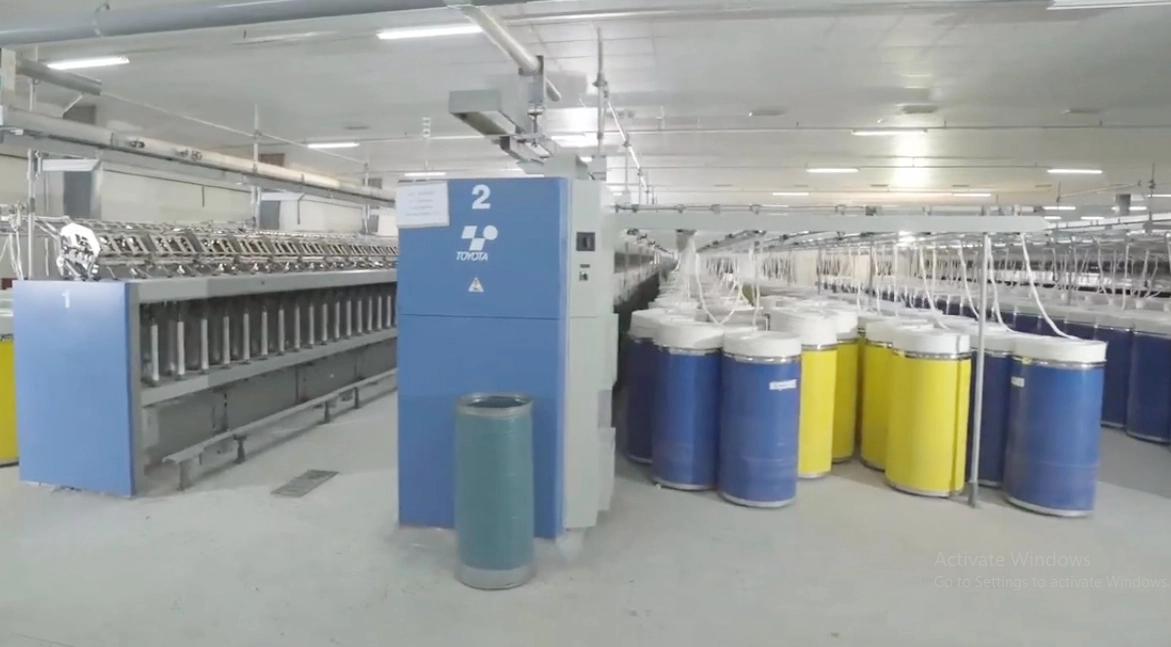
Workers and employees in Bangladesh’s spinning sub-sector have urged the government to provide urgent policy support to help mills survive amid rising production costs, energy shortages, and competition from cheap imported yarn.

They warned that 35 mills have shut down over the past one and a half years, with many others operating at reduced capacity, threatening jobs across the sector.

Md Shahinul Haque, Director of Operations at Mosharaf Composite Textile Mills Ltd, presented the demands on behalf of a group of workers and employees at a press conference held on December 11 at the National Press Club in Dhaka.

In a written statement, he outlined the seven-point demands, which included the introduction of a safeguard duty on imported yarn and an increase in cash incentives for the use of local raw materials in export-oriented garment manufacturing.

Other demands included a 30 per cent rebate on gas and electricity bills and incentives for the mills for an interim period of two years, reinstatement of the EDF facility, increased use of local raw materials, and incentives for recycled products.

He also sought low-interest, long-term loans for machinery upgrades.

Responding to questions, Chief Operating Officer of Salma Group, Engineer Azhar Ali, said many cotton-producing countries, especially neighbouring ones, provide huge incentives to their own yarn manufacturers, allowing them to export yarn at rates below production costs.

As a result, local garment exporters are importing large quantities of yarn, leaving local spinners uncompetitive and facing huge losses, he added, noting that the domestic market is flooded with low-cost imported yarn.

He also alleged that 35 spinning mills have closed down over the past one and a half years, while many others face partial closure.

Due to high production costs and the energy crisis, many mills are operating at only 50 to 60 per cent of their capacity.

He warned that if the mills fail to remain competitive and close, workers and employees will be the hardest hit.
Bangladesh spinning mills seek policy backing to stay competitive

Update Time : 09:52:09 pm, Thursday, 11 December 2025

Workers and employees in Bangladesh’s spinning sub-sector have urged the government to provide urgent policy support to help mills survive amid rising production costs, energy shortages, and competition from cheap imported yarn.

They warned that 35 mills have shut down over the past one and a half years, with many others operating at reduced capacity, threatening jobs across the sector.

Md Shahinul Haque, Director of Operations at Mosharaf Composite Textile Mills Ltd, presented the demands on behalf of a group of workers and employees at a press conference held on December 11 at the National Press Club in Dhaka.

In a written statement, he outlined the seven-point demands, which included the introduction of a safeguard duty on imported yarn and an increase in cash incentives for the use of local raw materials in export-oriented garment manufacturing.

Other demands included a 30 per cent rebate on gas and electricity bills and incentives for the mills for an interim period of two years, reinstatement of the EDF facility, increased use of local raw materials, and incentives for recycled products.

He also sought low-interest, long-term loans for machinery upgrades.

Responding to questions, Chief Operating Officer of Salma Group, Engineer Azhar Ali, said many cotton-producing countries, especially neighbouring ones, provide huge incentives to their own yarn manufacturers, allowing them to export yarn at rates below production costs.

As a result, local garment exporters are importing large quantities of yarn, leaving local spinners uncompetitive and facing huge losses, he added, noting that the domestic market is flooded with low-cost imported yarn.

He also alleged that 35 spinning mills have closed down over the past one and a half years, while many others face partial closure.

Due to high production costs and the energy crisis, many mills are operating at only 50 to 60 per cent of their capacity.

He warned that if the mills fail to remain competitive and close, workers and employees will be the hardest hit.