3:40 am, Friday, 7 November 2025

BKMEA leader Ehsan welcomes US tariff cut as opportunity for Bangladesh

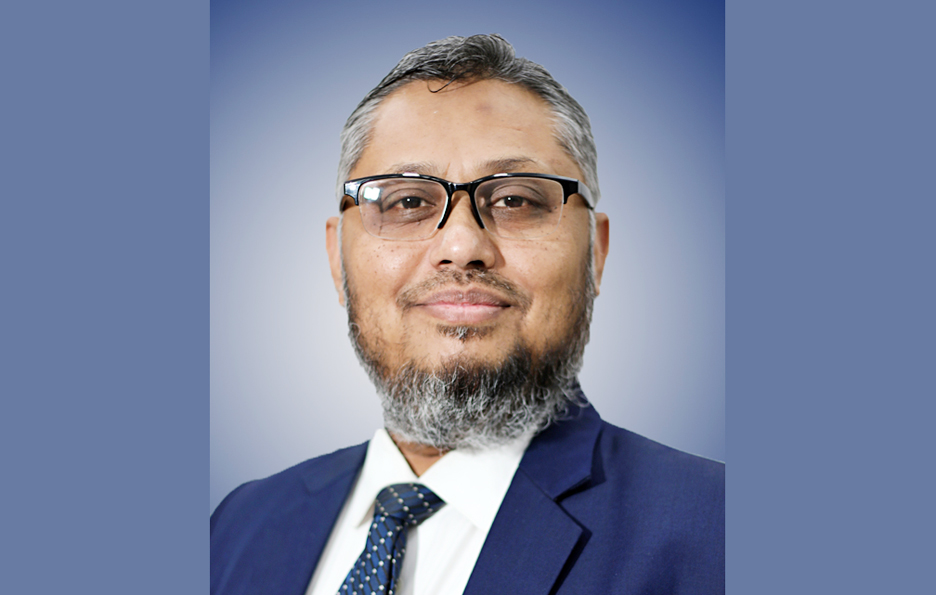
Bangladesh Knitwear Manufacturers and Exporters Association (BKMEA) Executive President Fazlee Shamim Ehsan has welcomed the decision by the United States to implement nearly uniform reciprocal tariffs for countries other than China, describing it as a positive and welcome development for Bangladesh’s apparel industry.

In a statement titled issued on August 1, Ehsan said the move to keep tariffs within the 19–20 per cent range for major apparel-exporting countries—including Bangladesh—helps preserve the country’s global competitiveness in the sector.

The US has reduced the reciprocal tariff on Bangladeshi imports to 20 per cent, down from the previously announced 35 per cent, following intense negotiations that concluded in late July.

The move, confirmed in a statement from the White House on August 1, comes as part of a wider revision of tariff rates applied to 70 countries.

‘We sincerely thank the US administration for formulating a fair and relatively equal tariff structure, avoiding the imposition of complex and burdensome non-commercial conditions,’ Ehsan said.

He also credited the team led by Bangladesh’s commerce adviser for their tireless efforts and diplomatic acumen, which ensured that Bangladesh secured equal treatment alongside other key exporting nations.

Despite this favourable outcome, Ehsan stressed that Bangladesh must now focus on internal reforms and strategic improvements.

He said that local entrepreneurs need to become more efficient and better positioned to take advantage of the tariff environment.

‘We must help US buyers understand that these import tariffs will ultimately be borne by the importers—and in the end, by the ultimate consumers,’ he said, warning that retail prices in the US may rise, potentially impacting demand.

A temporary dip in order volumes may occur, and there is a risk that buyers will try to unfairly push prices down, he said.

However, Ehsan remained optimistic, saying that since competitor countries are facing similar or even higher tariff rates, strong negotiation would be the most viable strategy.

He pointed out that buyers would encounter comparable tariffs regardless of their sourcing destination, and that Bangladesh could, in fact, offer more favourable tariff advantages than countries like China or India.

He emphasised that, if Bangladesh can endure this period of adjustment, it may be able to capture a significant share of orders currently going to China and Vietnam.

At the same time, Ehsan cautioned that the issue of value addition must not be overlooked.

‘A large portion of raw materials used in our garments comes from China or India. For premium products such as sneakers or sportswear, our local value addition rate remains relatively low,’ he said.

To overcome these limitations, Ehsan called for greater industrial capacity building, supported by coordinated policy initiatives from Bangladesh Bank and the government.

‘Access to low-interest financing and effective export incentives are vital,’ he said.

He also highlighted the need for Bangladesh to resist external pressures and conditionalities imposed by international bodies, saying the country must always prioritise its national interest.

‘In today’s global economy, private enterprise is the engine of growth,’ Ehsan said.

‘Maintaining a business- and investment-friendly environment is essential. With effective public-private partnerships, we can further develop our industries and build a stronger global presence,’ he added.

The BKMEA Executive President said he believes the US tariff decision presents a strategic opportunity for Bangladesh’s apparel sector.

‘With the right planning and strategic decisions, we can leverage this moment for greater prosperity in the years ahead,’ Ehsan said.
BKMEA leader Ehsan welcomes US tariff cut as opportunity for Bangladesh

Update Time : 09:53:37 pm, Friday, 1 August 2025

Bangladesh Knitwear Manufacturers and Exporters Association (BKMEA) Executive President Fazlee Shamim Ehsan has welcomed the decision by the United States to implement nearly uniform reciprocal tariffs for countries other than China, describing it as a positive and welcome development for Bangladesh’s apparel industry.

In a statement titled issued on August 1, Ehsan said the move to keep tariffs within the 19–20 per cent range for major apparel-exporting countries—including Bangladesh—helps preserve the country’s global competitiveness in the sector.

The US has reduced the reciprocal tariff on Bangladeshi imports to 20 per cent, down from the previously announced 35 per cent, following intense negotiations that concluded in late July.

The move, confirmed in a statement from the White House on August 1, comes as part of a wider revision of tariff rates applied to 70 countries.

‘We sincerely thank the US administration for formulating a fair and relatively equal tariff structure, avoiding the imposition of complex and burdensome non-commercial conditions,’ Ehsan said.

He also credited the team led by Bangladesh’s commerce adviser for their tireless efforts and diplomatic acumen, which ensured that Bangladesh secured equal treatment alongside other key exporting nations.

Despite this favourable outcome, Ehsan stressed that Bangladesh must now focus on internal reforms and strategic improvements.

He said that local entrepreneurs need to become more efficient and better positioned to take advantage of the tariff environment.

‘We must help US buyers understand that these import tariffs will ultimately be borne by the importers—and in the end, by the ultimate consumers,’ he said, warning that retail prices in the US may rise, potentially impacting demand.

A temporary dip in order volumes may occur, and there is a risk that buyers will try to unfairly push prices down, he said.

However, Ehsan remained optimistic, saying that since competitor countries are facing similar or even higher tariff rates, strong negotiation would be the most viable strategy.

He pointed out that buyers would encounter comparable tariffs regardless of their sourcing destination, and that Bangladesh could, in fact, offer more favourable tariff advantages than countries like China or India.

He emphasised that, if Bangladesh can endure this period of adjustment, it may be able to capture a significant share of orders currently going to China and Vietnam.

At the same time, Ehsan cautioned that the issue of value addition must not be overlooked.

‘A large portion of raw materials used in our garments comes from China or India. For premium products such as sneakers or sportswear, our local value addition rate remains relatively low,’ he said.

To overcome these limitations, Ehsan called for greater industrial capacity building, supported by coordinated policy initiatives from Bangladesh Bank and the government.

‘Access to low-interest financing and effective export incentives are vital,’ he said.

He also highlighted the need for Bangladesh to resist external pressures and conditionalities imposed by international bodies, saying the country must always prioritise its national interest.

‘In today’s global economy, private enterprise is the engine of growth,’ Ehsan said.

‘Maintaining a business- and investment-friendly environment is essential. With effective public-private partnerships, we can further develop our industries and build a stronger global presence,’ he added.

The BKMEA Executive President said he believes the US tariff decision presents a strategic opportunity for Bangladesh’s apparel sector.

‘With the right planning and strategic decisions, we can leverage this moment for greater prosperity in the years ahead,’ Ehsan said.