2:26 pm, Wednesday, 31 December 2025
KHALEDA ZIA

A life of leadership and perseverance

  • Bizbd Report
  • Update Time : 09:37:52 am, Tuesday, 30 December 2025
  • 70

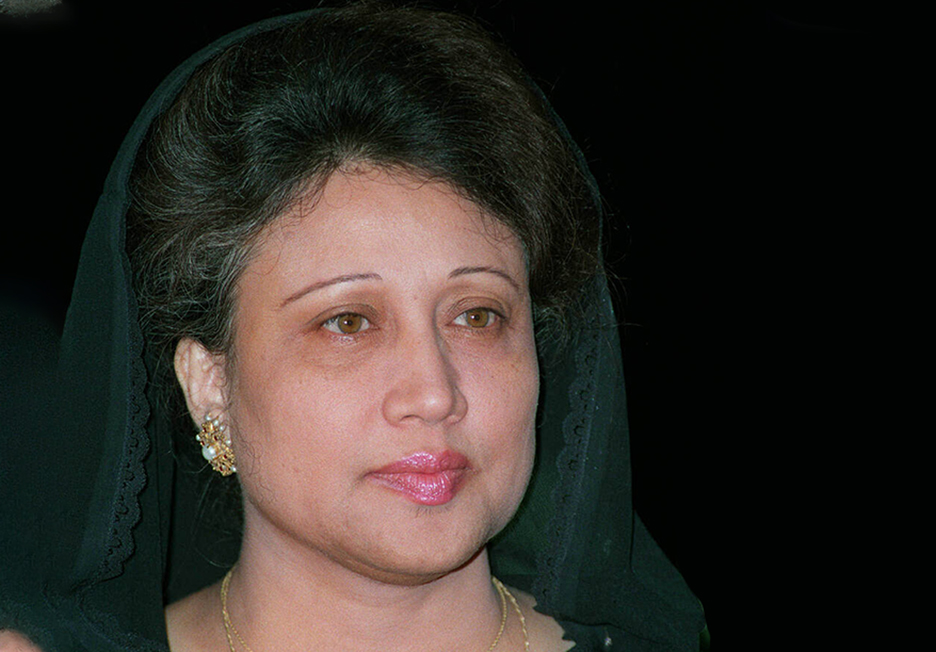
Bangladesh Nationalist Party (BNP) chairperson Khaleda Zia had served as the Prime Minister of Bangladesh three times since 1991.

She held the distinction of being the first woman elected as prime minister in the country and the second in the Muslim world.

Her political journey was marked by resilience, determination, and an enduring fight for democracy.

Born on 15 August 1946 in Dinajpur District, Khaleda Zia is the daughter of Iskandar Majumder and Taiyaba Majumder.

Her father migrated to what was then West Pakistan following Partition, having previously managed a tea business in Jalpaiguri, India. The family originally hailed from Feni in southeastern Bangladesh.

Khaleda studied at Dinajpur Government Girls High School and later at Surendranath College. In 1960, she married Ziaur Rahman, who would later become President of Bangladesh.

Following the tragic assassination of President Ziaur Rahman during a failed coup in 1981, Khaleda Zia joined the BNP as a general member on 2 January 1982.

She quickly rose through the party ranks, becoming vice-chairman in March 1983 and, by August 1984, the party’s chairperson.

During the military rule of Hussain Muhammad Ershad, who seized power in a coup in 1982, Khaleda Zia led a nationwide movement to restore democracy.

She formed a seven-party alliance in 1983 to challenge Ershad’s dictatorship and refused to participate in the rigged 1986 election, even as rival parties including the Awami League, Jamaat-e-Islami, and Communist Party of Bangladesh contested.

Her activism came at great personal risk, leading to her detention seven times between 1983 and 1990.

Khaleda Zia’s perseverance paid off when she became Bangladesh’s first woman prime minister on February 27, 1991 through a general election.

She was re-elected in 1996, but resigned within a month to hand over power to a caretaker government.

In 1999, the BNP formed a four-party opposition alliance with the Jatiya Party, Jamaat-e-Islami, and Islami Oikya Jote, launching multiple agitation programmes against the ruling Awami League.

In 2001, Khaleda Zia returned to power.

She stepped down in 2006, transferring authority to a caretaker administration.

However, her political career has also been marred by legal challenges. In September 2007, she was arrested by the caretaker government on corruption charges, and in 2018, she was sentenced to 17 years in prison in connection with the Zia Orphanage Trust and Zia Charitable Trust cases.

She was sent to jail on February 8, 2018 after a lower court sentenced her to five years in one of the cases. Later that year, she was convicted in another corruption case.

Amid the COVID-19 pandemic, the government temporarily released her on March 25, 2020 under an executive order, suspending her sentence on the condition that she remain in her Gulshan residence and not leave the country.

Since her conditional release, Khaleda Zia had been under medical supervision, receiving treatment from a medical board led by cardiologist Professor Shahabuddin Talukder.

She was diagnosed with liver cirrhosis in November 2021, prompting doctors to recommend treatment abroad.

On October 26, 2023, three US specialist doctors conducted a hepatic procedure to manage fluid accumulation in her stomach and chest and prevent liver bleeding.

Despite repeated requests from her family and the BNP, the government under the Awami League denied permission for overseas treatment.

Following the fall of the Awami League government on August 5, 2024, Khaleda Zia’s sentences were remitted by a presidential order.

President Md Shahabuddin officially exempted her from punishment in two corruption cases on August 6, 2024, allowing for her release.

A gazette notification confirmed that all 37 cases filed against her during the army-backed caretaker government and the 15-year rule of the Awami League were cleared.

Khaleda Zia holds a unique record in Bangladeshi politics: she had never lost in any constituency.

Between the 1991, 1996, and 2001 general elections, she was elected from five separate parliamentary seats, and in 2008 she won in all three constituencies she contested.

Throughout her political career, Khaleda Zia had been a steadfast advocate for democracy and civil liberties.

Since 2009, she repeatedly challenged the increasingly authoritarian measures of the Sheikh Hasina-led government, enduring house arrests and forced evictions from her residence.

Even during periods of personal and political adversity, her focus remained on strengthening democratic governance in Bangladesh.

At 80, Khaleda Zia continued to be a symbol of resilience and determination in Bangladeshi politics.

Her journey from a student in Dinajpur to the first female prime minister of the country, through periods of imprisonment and medical crises, underscored her enduring influence and legacy.
KHALEDA ZIA

A life of leadership and perseverance

Update Time : 09:37:52 am, Tuesday, 30 December 2025

Bangladesh Nationalist Party (BNP) chairperson Khaleda Zia had served as the Prime Minister of Bangladesh three times since 1991.

She held the distinction of being the first woman elected as prime minister in the country and the second in the Muslim world.

Her political journey was marked by resilience, determination, and an enduring fight for democracy.

Born on 15 August 1946 in Dinajpur District, Khaleda Zia is the daughter of Iskandar Majumder and Taiyaba Majumder.

Her father migrated to what was then West Pakistan following Partition, having previously managed a tea business in Jalpaiguri, India. The family originally hailed from Feni in southeastern Bangladesh.

Khaleda studied at Dinajpur Government Girls High School and later at Surendranath College. In 1960, she married Ziaur Rahman, who would later become President of Bangladesh.

Following the tragic assassination of President Ziaur Rahman during a failed coup in 1981, Khaleda Zia joined the BNP as a general member on 2 January 1982.

She quickly rose through the party ranks, becoming vice-chairman in March 1983 and, by August 1984, the party’s chairperson.

During the military rule of Hussain Muhammad Ershad, who seized power in a coup in 1982, Khaleda Zia led a nationwide movement to restore democracy.

She formed a seven-party alliance in 1983 to challenge Ershad’s dictatorship and refused to participate in the rigged 1986 election, even as rival parties including the Awami League, Jamaat-e-Islami, and Communist Party of Bangladesh contested.

Her activism came at great personal risk, leading to her detention seven times between 1983 and 1990.

Khaleda Zia’s perseverance paid off when she became Bangladesh’s first woman prime minister on February 27, 1991 through a general election.

She was re-elected in 1996, but resigned within a month to hand over power to a caretaker government.

In 1999, the BNP formed a four-party opposition alliance with the Jatiya Party, Jamaat-e-Islami, and Islami Oikya Jote, launching multiple agitation programmes against the ruling Awami League.

In 2001, Khaleda Zia returned to power.

She stepped down in 2006, transferring authority to a caretaker administration.

However, her political career has also been marred by legal challenges. In September 2007, she was arrested by the caretaker government on corruption charges, and in 2018, she was sentenced to 17 years in prison in connection with the Zia Orphanage Trust and Zia Charitable Trust cases.

She was sent to jail on February 8, 2018 after a lower court sentenced her to five years in one of the cases. Later that year, she was convicted in another corruption case.

Amid the COVID-19 pandemic, the government temporarily released her on March 25, 2020 under an executive order, suspending her sentence on the condition that she remain in her Gulshan residence and not leave the country.

Since her conditional release, Khaleda Zia had been under medical supervision, receiving treatment from a medical board led by cardiologist Professor Shahabuddin Talukder.

She was diagnosed with liver cirrhosis in November 2021, prompting doctors to recommend treatment abroad.

On October 26, 2023, three US specialist doctors conducted a hepatic procedure to manage fluid accumulation in her stomach and chest and prevent liver bleeding.

Despite repeated requests from her family and the BNP, the government under the Awami League denied permission for overseas treatment.

Following the fall of the Awami League government on August 5, 2024, Khaleda Zia’s sentences were remitted by a presidential order.

President Md Shahabuddin officially exempted her from punishment in two corruption cases on August 6, 2024, allowing for her release.

A gazette notification confirmed that all 37 cases filed against her during the army-backed caretaker government and the 15-year rule of the Awami League were cleared.

Khaleda Zia holds a unique record in Bangladeshi politics: she had never lost in any constituency.

Between the 1991, 1996, and 2001 general elections, she was elected from five separate parliamentary seats, and in 2008 she won in all three constituencies she contested.

Throughout her political career, Khaleda Zia had been a steadfast advocate for democracy and civil liberties.

Since 2009, she repeatedly challenged the increasingly authoritarian measures of the Sheikh Hasina-led government, enduring house arrests and forced evictions from her residence.

Even during periods of personal and political adversity, her focus remained on strengthening democratic governance in Bangladesh.

At 80, Khaleda Zia continued to be a symbol of resilience and determination in Bangladeshi politics.

Her journey from a student in Dinajpur to the first female prime minister of the country, through periods of imprisonment and medical crises, underscored her enduring influence and legacy.