9:31 pm, Thursday, 2 April 2026

EuroCham raises alarm over trade disruptions at Chattogram Port

The European Union Chamber of Commerce in Bangladesh (EuroCham Bangladesh) has expressed grave concern over ongoing disruptions at Chattogram Port, urging immediate steps to restore normal operations and resolve disputes through constructive dialogue to protect exports, jobs and national economic interests.

In a statement, EuroCham said work stoppages at the country’s principal seaport were causing mounting economic losses, undermining export performance and eroding confidence in Bangladesh’s supply chain reliability.

‘EuroCham members and European brands sourcing from Bangladesh are reporting growing concern,’ the chamber said. ‘Export schedules are collapsing, delivery windows are being missed and additional logistics costs are accruing.’

EuroCham estimated that export goods worth around $660 million (approximately Tk 80 billion) are currently stuck in nearly 13,000 containers at port facilities, private inland depots and on vessels unable to berth or depart.

Chattogram Port handles more than 90 per cent of Bangladesh’s international trade and serves as the primary gateway for the country’s export-oriented industries.

Under normal conditions, the port processes between 2,000 and 2,500 export containers a day.

Recent work stoppages, however, have brought operations close to a standstill, leaving container movements and export consignments in limbo.

The chamber stressed that predictable, uninterrupted and efficient port operations are critical to safeguarding export performance, protecting millions of jobs indirectly supported by overseas demand, and maintaining Bangladesh’s standing as a reliable sourcing destination for European and global markets.

EuroCham also highlighted the need for forward-looking port modernisation initiatives to enhance efficiency, reliability, predictability and long-term competitiveness.

It said it remained committed to supporting business growth and strengthening Bangladesh’s trade infrastructure, and stood ready to engage constructively with authorities and stakeholders to help ensure a stable, efficient and future-ready port system.

According to official data cited by EuroCham, Chattogram Port handled more than 831,000 export container units valued at $42.3 billion in the 2024–25 finaancial year.

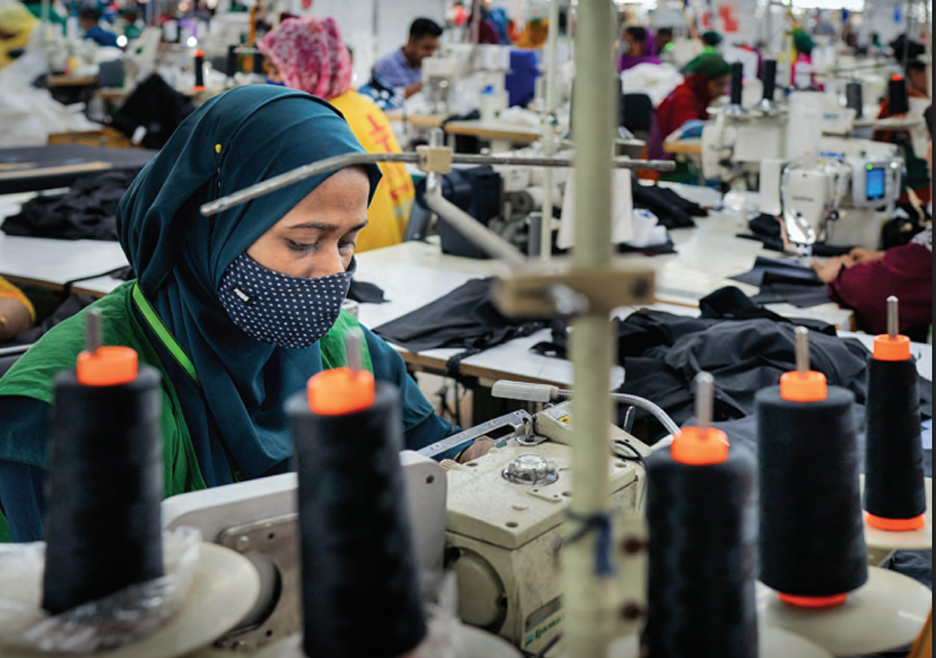
Textiles and readymade garments account for about 80 per cent of Bangladesh’s exports, making the country the world’s second-largest garment exporter.

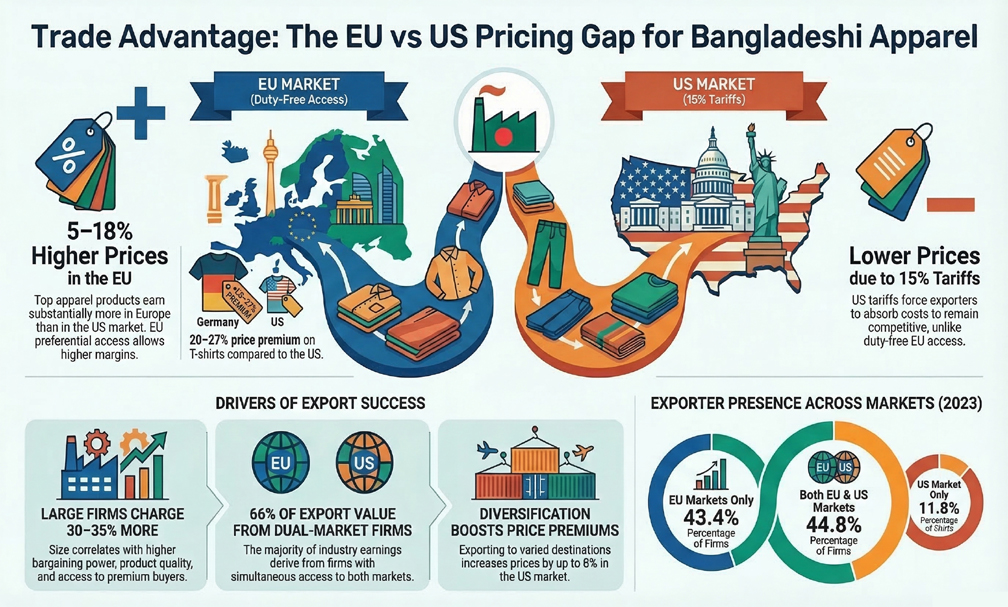
EU apparel imports from Bangladesh have recently exceeded $9.6 billion.

Meanwhile, port workers on Saturday announced a fresh, indefinite work stoppage from Sunday, protesting a proposal to lease the New Mooring Container Terminal (NCT) to foreign operator DP World, alongside four other demands.

The latest action follows earlier protests over the same issues, which began with eight-hour strikes for three consecutive days from January 31 and escalated into an indefinite strike from Tuesday.

The programme was suspended for two days after a meeting with Shipping Adviser M Sakhawat Hossain at the port building last Thursday, but tensions have since resurfaced, renewing uncertainty over port operations.

Most Viewed

EuroCham raises alarm over trade disruptions at Chattogram Port

Update Time : 05:51:26 pm, Sunday, 8 February 2026

The European Union Chamber of Commerce in Bangladesh (EuroCham Bangladesh) has expressed grave concern over ongoing disruptions at Chattogram Port, urging immediate steps to restore normal operations and resolve disputes through constructive dialogue to protect exports, jobs and national economic interests.

In a statement, EuroCham said work stoppages at the country’s principal seaport were causing mounting economic losses, undermining export performance and eroding confidence in Bangladesh’s supply chain reliability.

‘EuroCham members and European brands sourcing from Bangladesh are reporting growing concern,’ the chamber said. ‘Export schedules are collapsing, delivery windows are being missed and additional logistics costs are accruing.’

EuroCham estimated that export goods worth around $660 million (approximately Tk 80 billion) are currently stuck in nearly 13,000 containers at port facilities, private inland depots and on vessels unable to berth or depart.

Chattogram Port handles more than 90 per cent of Bangladesh’s international trade and serves as the primary gateway for the country’s export-oriented industries.

Under normal conditions, the port processes between 2,000 and 2,500 export containers a day.

Recent work stoppages, however, have brought operations close to a standstill, leaving container movements and export consignments in limbo.

The chamber stressed that predictable, uninterrupted and efficient port operations are critical to safeguarding export performance, protecting millions of jobs indirectly supported by overseas demand, and maintaining Bangladesh’s standing as a reliable sourcing destination for European and global markets.

EuroCham also highlighted the need for forward-looking port modernisation initiatives to enhance efficiency, reliability, predictability and long-term competitiveness.

It said it remained committed to supporting business growth and strengthening Bangladesh’s trade infrastructure, and stood ready to engage constructively with authorities and stakeholders to help ensure a stable, efficient and future-ready port system.

According to official data cited by EuroCham, Chattogram Port handled more than 831,000 export container units valued at $42.3 billion in the 2024–25 finaancial year.

Textiles and readymade garments account for about 80 per cent of Bangladesh’s exports, making the country the world’s second-largest garment exporter.

EU apparel imports from Bangladesh have recently exceeded $9.6 billion.

Meanwhile, port workers on Saturday announced a fresh, indefinite work stoppage from Sunday, protesting a proposal to lease the New Mooring Container Terminal (NCT) to foreign operator DP World, alongside four other demands.

The latest action follows earlier protests over the same issues, which began with eight-hour strikes for three consecutive days from January 31 and escalated into an indefinite strike from Tuesday.

The programme was suspended for two days after a meeting with Shipping Adviser M Sakhawat Hossain at the port building last Thursday, but tensions have since resurfaced, renewing uncertainty over port operations.