Bizbd Report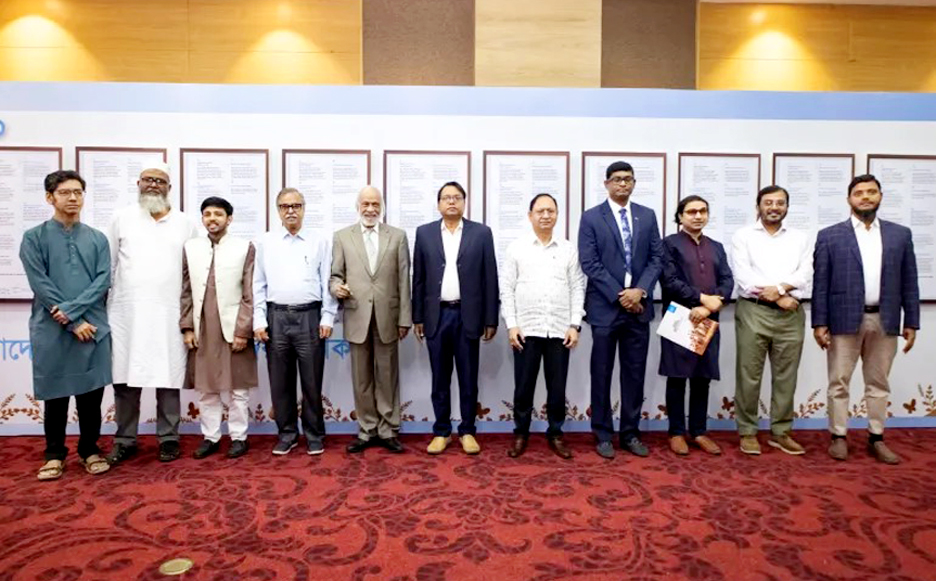
Political parties in Bangladesh have jointly signed a new Child Rights Manifesto, responding to strong appeals from children and young people for better protection of their rights.
Twelve political parties contesting the 2026 national elections signed the document on December 1.
They pledged to invest in child welfare and to introduce policy reforms that will help secure a safer and healthier future for all children, according to a statement.
The Manifesto was co-created by children and young people and supported by UNICEF.
It presents the upcoming elections as a key moment for political parties to commit to measurable improvements in children’s rights and well-being.
The parties include Bangladesh Nationalist Party, Bangladesh Jamaat-e-Islami, National Citizen Party, Socialist Party of Bangladesh, Communist Party of Bangladesh, Gano Forum, Ganosamhati Andolon, Amar Bangladesh Party, Gono Odhikar Parishad, Jatiyo Party, Khelafat Majlis and Nagorik Oikya.
The document is the result of a broad, inclusive process involving children, adolescents, and young people from diverse backgrounds.
Consultations were held both online, through platforms such as U-Report, and in person. Findings were later reviewed by academics, civil society groups, the private sector and development partners.
Draft commitments were then shared with political party leaders to secure their public endorsement ahead of the elections.
The Manifesto sets out practical goals to address Bangladesh’s most urgent child rights challenges. These include helping every child survive, learn and feel safe.
Key commitments focus on better quality education and skills, stronger nutrition and primary healthcare, safer communities free from violence and hazardous child labour, tackling child poverty, improving leadership and monitoring, and addressing climate risks that threaten children’s futures.
By signing the Manifesto, the political parties agree to include these priorities in their policies and election plans and to take action if elected.
Each commitment is supported by national data showing where the rights of Bangladesh’s 35 per cent child population are most at risk.
The ten commitments are based on the UN Convention on the Rights of the Child and call for reforms across major sectors.
Health and nutrition commitments include improving primary healthcare in both rural and urban areas and addressing child wasting with locally produced therapeutic food.
The rise in wasting from 9.8 per cent to 12.9 per cent, along with low early antenatal care coverage of 46 per cent, highlights major gaps that threaten child survival.
Strengthening primary healthcare and expanding access to therapeutic food are therefore urgent priorities.
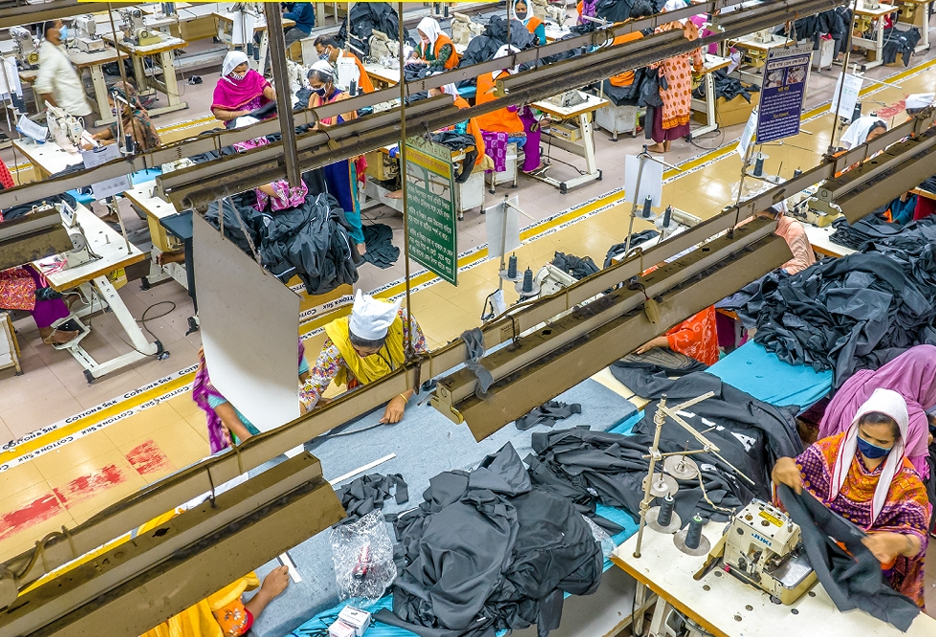
The Manifesto also addresses rising child labour, high rates of child marriage and widespread violent discipline. Child labour has increased to 9.2 per cent, child marriage remains at 47.2 per cent and violent discipline affects 86 per cent of children.
These figures show how unsafe many environments are. The statement stresses the need to protect children’s dignity, close legal loopholes that allow child marriage, reinforce law enforcement, improve protection systems and eliminate hazardous child labour.
Additional priorities include inclusive and quality education, stronger social protection, climate resilience, child-focused budgeting, universal birth registration, improved water and sanitation, and better reporting on child rights.
It also calls for a review of the Children’s Act in the first year of the new government to identify gaps in laws and implementation so they align with the UNCRC.
An annual parliamentary report, supported by a child rights scorecard, is proposed to ensure transparent monitoring, especially for vulnerable children.
‘Children have spoken loudly and clearly: their future cannot wait,’ said Rana Flowers, UNICEF Representative in Bangladesh.
She said that the Manifesto offers clear and achievable change that will support human capital development and help build a stronger Bangladesh.